
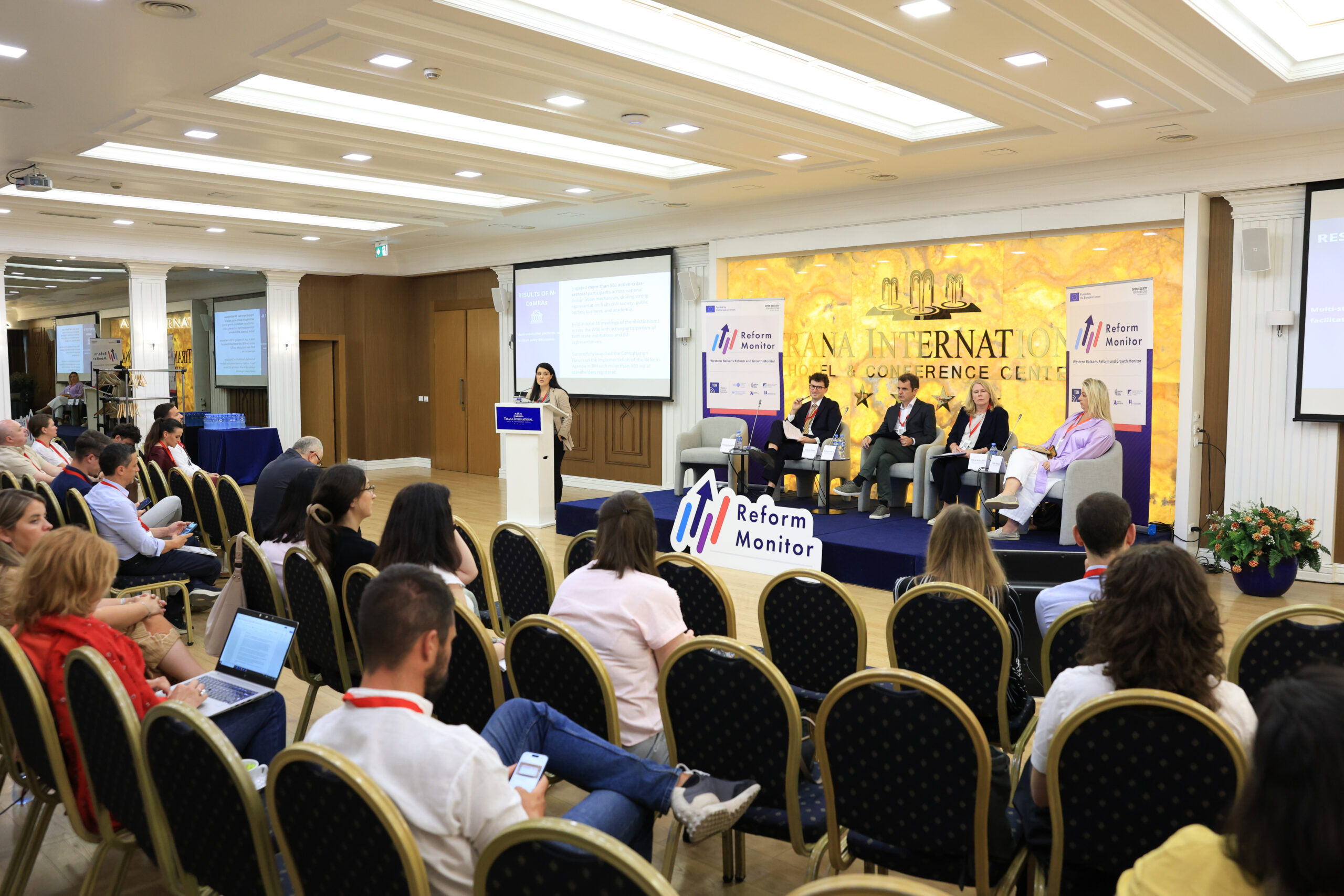
From 1 to 3 July 2026, the Reform Monitor team hosted a regional workshop for grantees at the Tirana International Hotel in Albania. The event brought together grantees, project partners, and guest experts from across the Western Balkans for three days of discussion, capacity-building, and joint planning.
The workshop opened with welcoming remarks and an overview of the Reform Monitor project from Sotiraq Hroni, Director of IDM, and Simonida Kacarska, Director of EPI, who were joined by Dominik Hatiar, Head of Sector for the Western Balkans Reform and Growth Facility & Instrument for Pre-accession at DG ENEST; Klodjan Seferaj, Program Manager at Open Society Foundations – Western Balkans; Lorela Simoni, Head of the RGF NC Office at Albania’s State Agency of Strategic Programming and Aid Coordination (SASPAC); and Ritva Heikkinen, Head of Cooperation at the Delegation of the European Union to Albania.
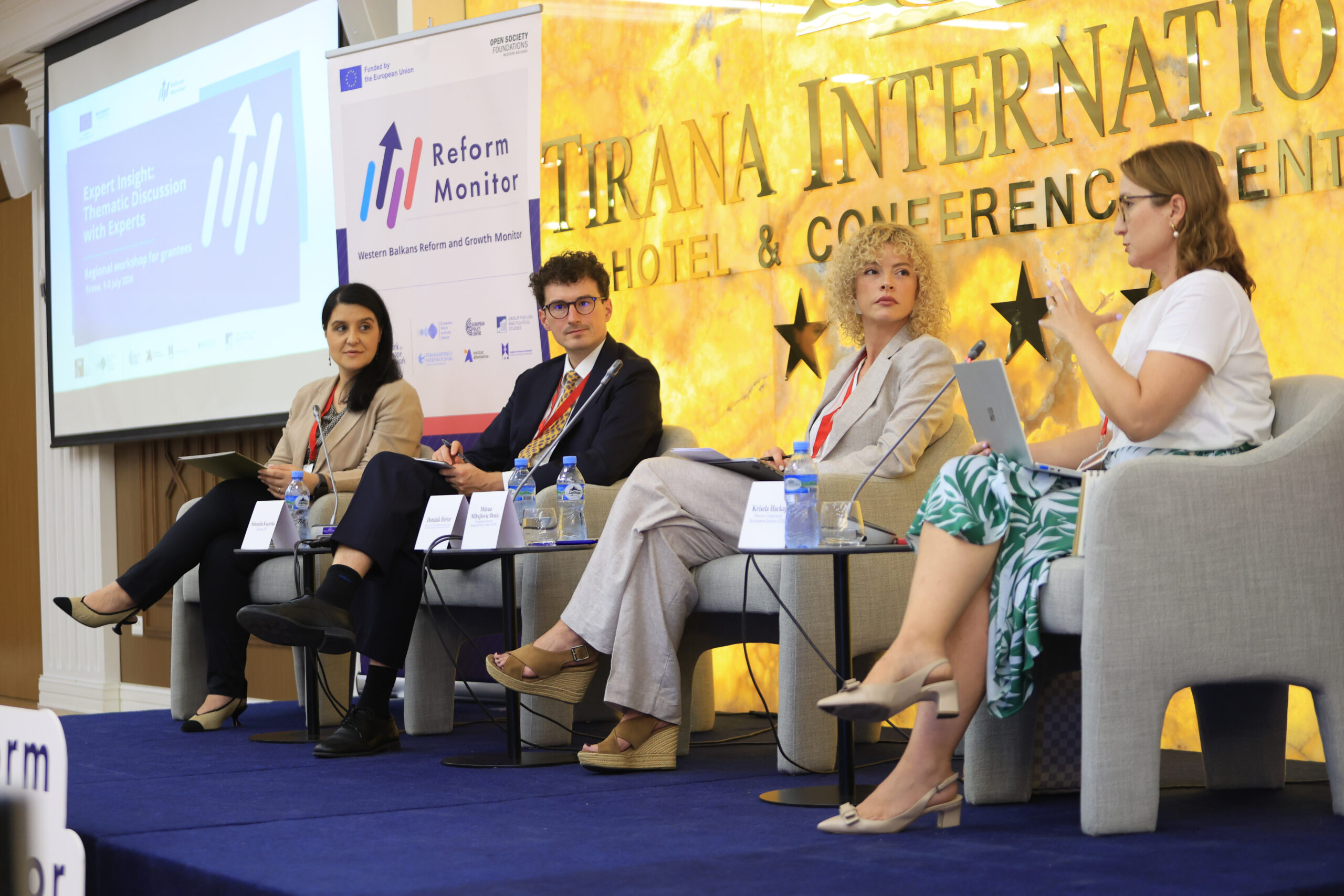
This was followed by an expert panel, “Expert Insight: Thematic Discussion with Experts,” featuring Dominik Hatiar (DG ENEST), Milena Mihajlovic Denic, Programme Director at the European Policy Centre (CEP), and Krisela Hackaj, Director of the Cooperation Development Institute (CDI), moderated by Simonida Kacarska (EPI). The discussion focused on regional reform priorities and EU accession-related themes.
The second day ran as two parallel tracks, reflecting the different roles within the consortium.
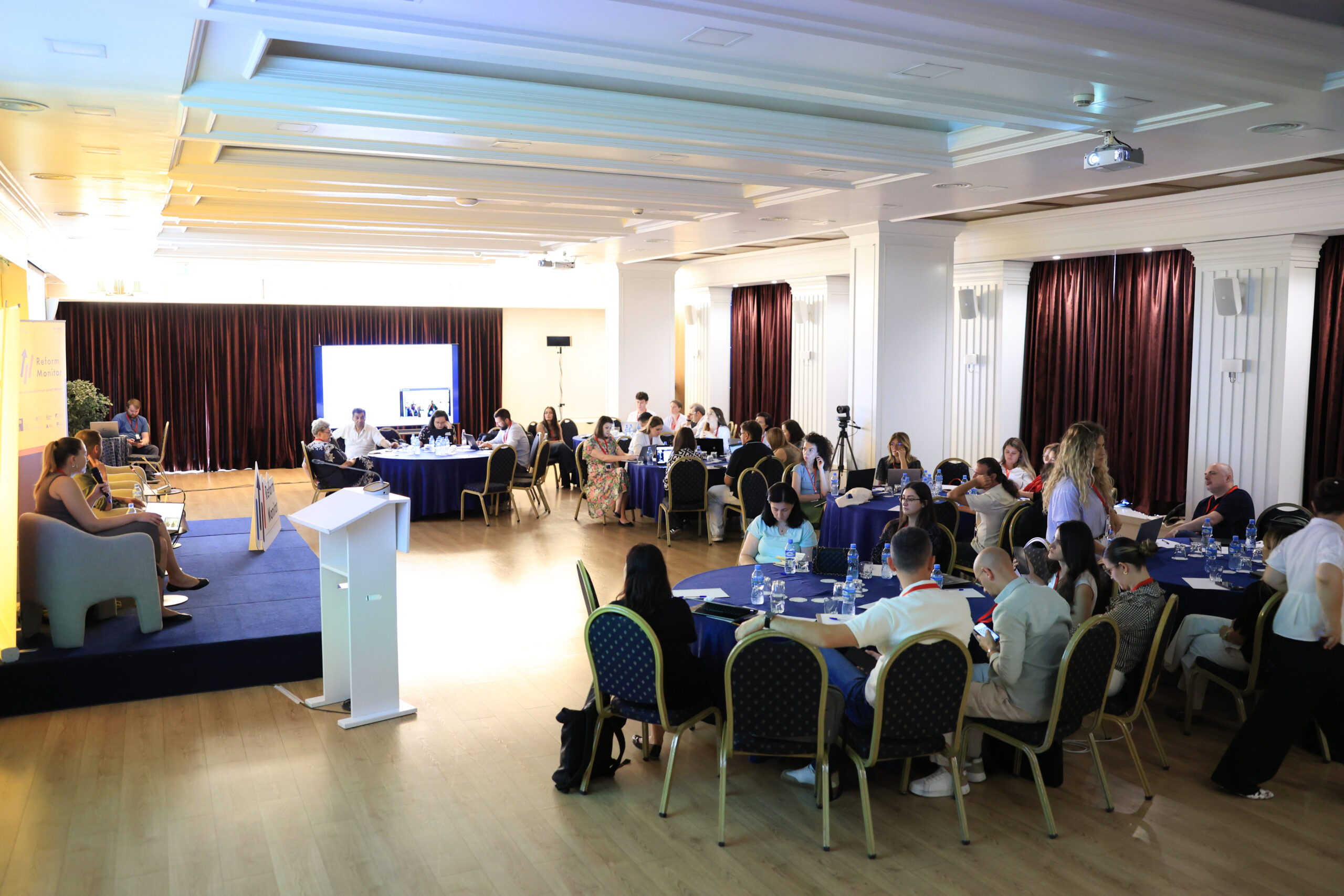
For the grantees, the morning and early afternoon focused on the practical side of running EU-funded projects. Sessions covered project governance and day-to-day coordination, reporting obligations and quality standards, the core principles of EU procurement rules (PRAG), and tools for monitoring project indicators and staying aligned with work plans, rounded off with real-world examples of common pitfalls to avoid. The second part turned to financial management, walking through eligible and ineligible costs, budget flexibility and reallocations, documentation needed for audit readiness, and the financial reporting and verification process.
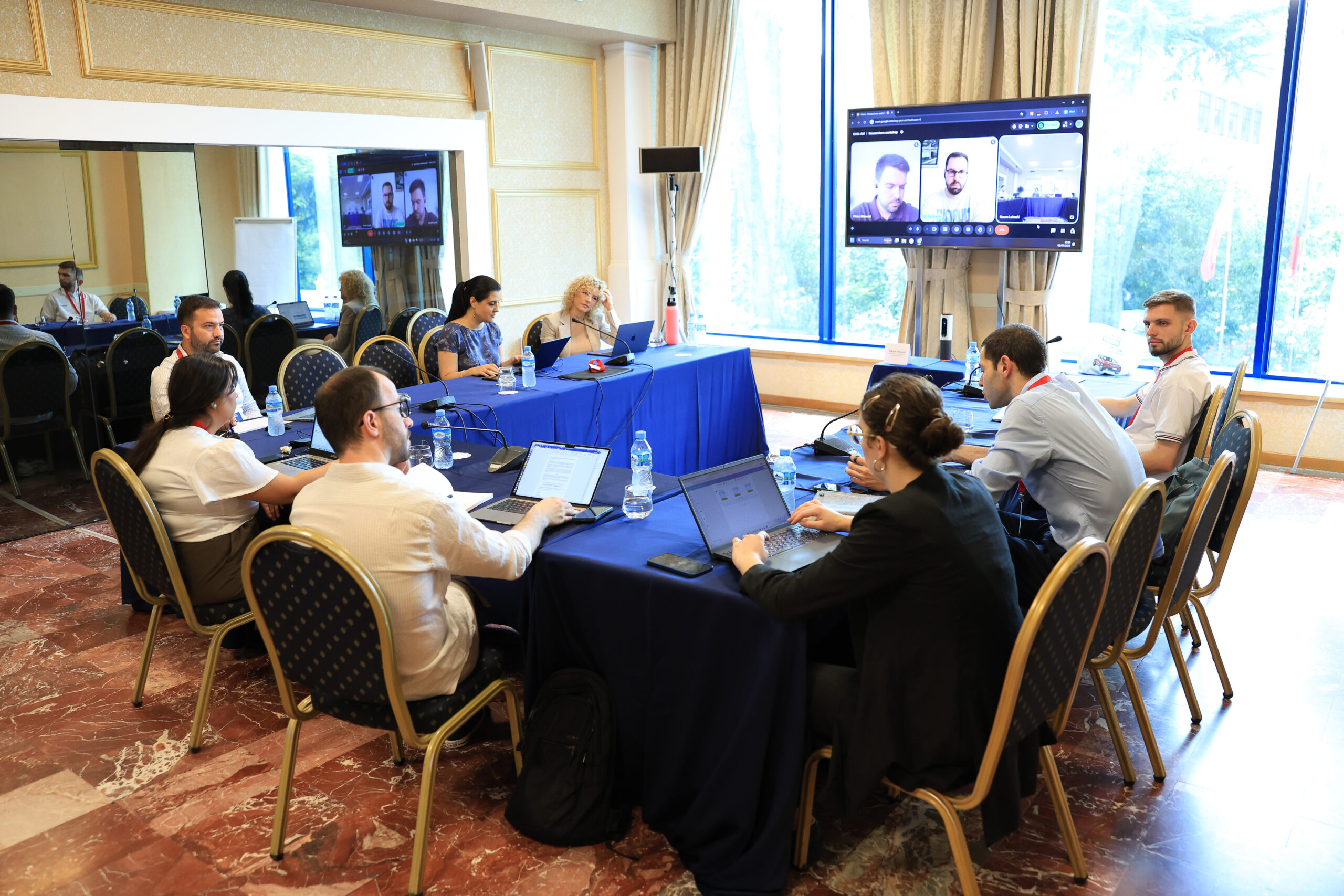
In parallel, the project’s research and analysis team worked on refining the methodology behind the Reform Agenda monitoring process, discussing indicators, data collection tools, and revisions to key monitoring documents, before turning to planning the remaining monitoring deliverables, including upcoming national and regional reports.
The afternoon brought everyone back together for a “get to know & plan with peers” session, where grantees discussed their projects and explored opportunities for cooperation and synergies.
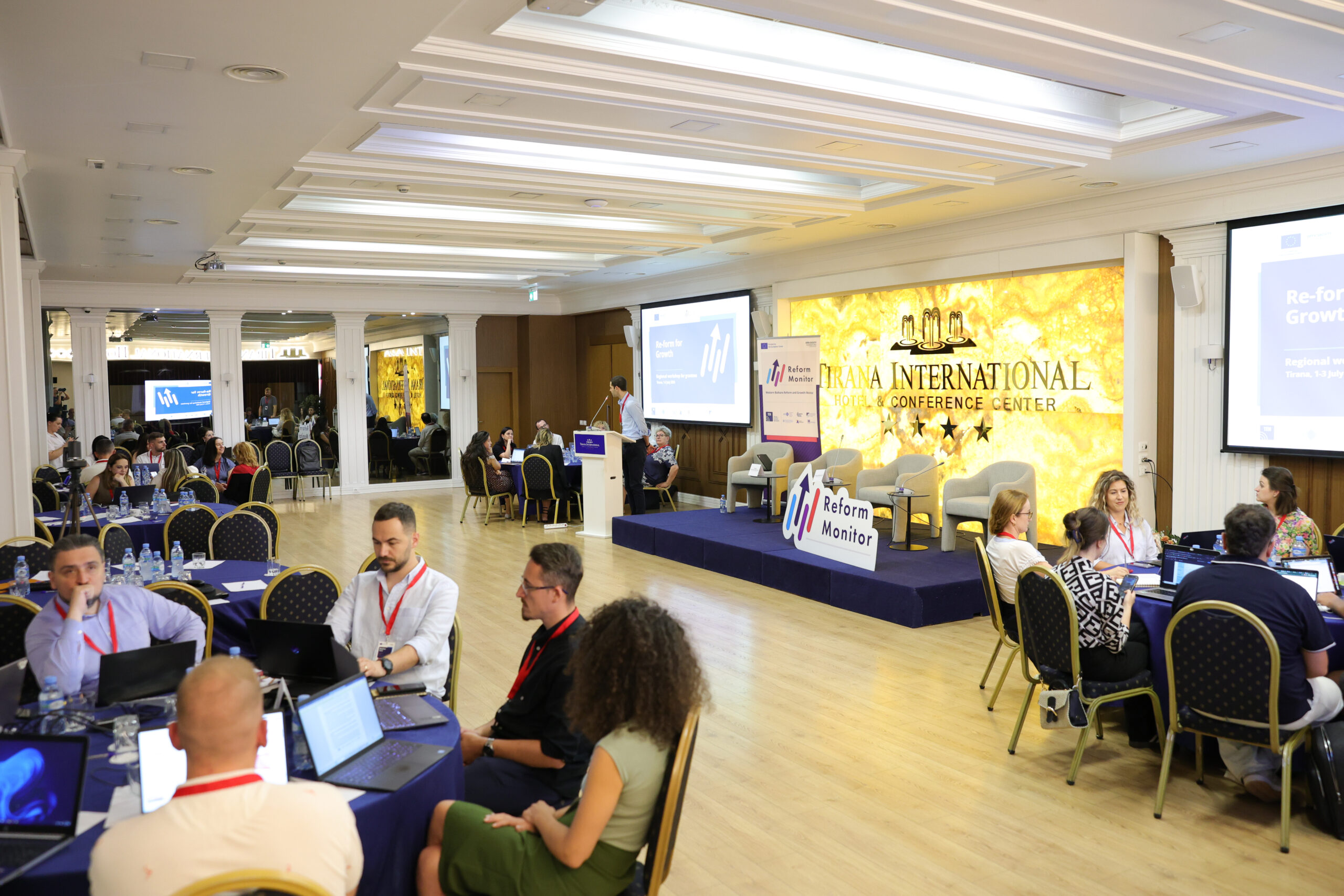
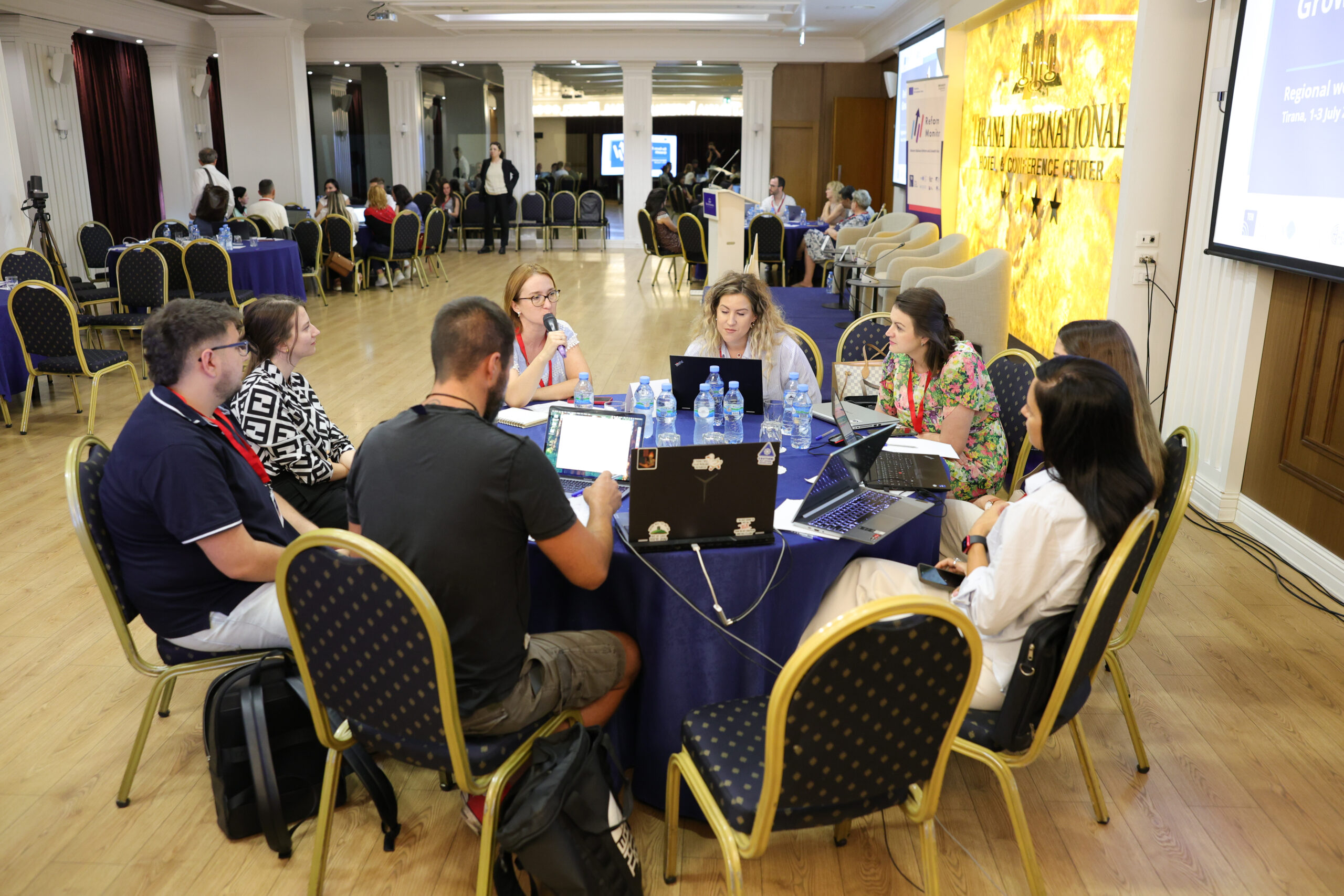
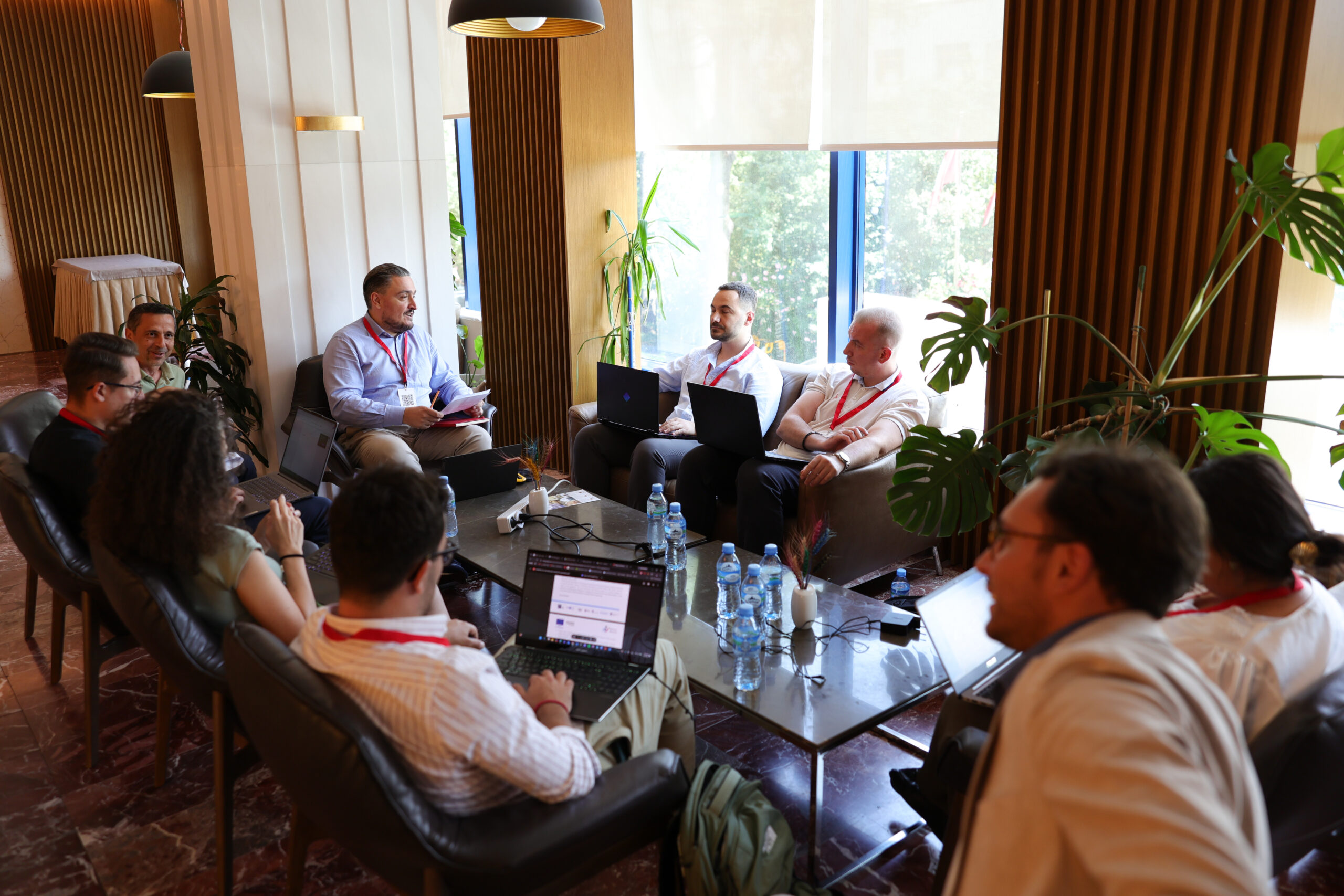
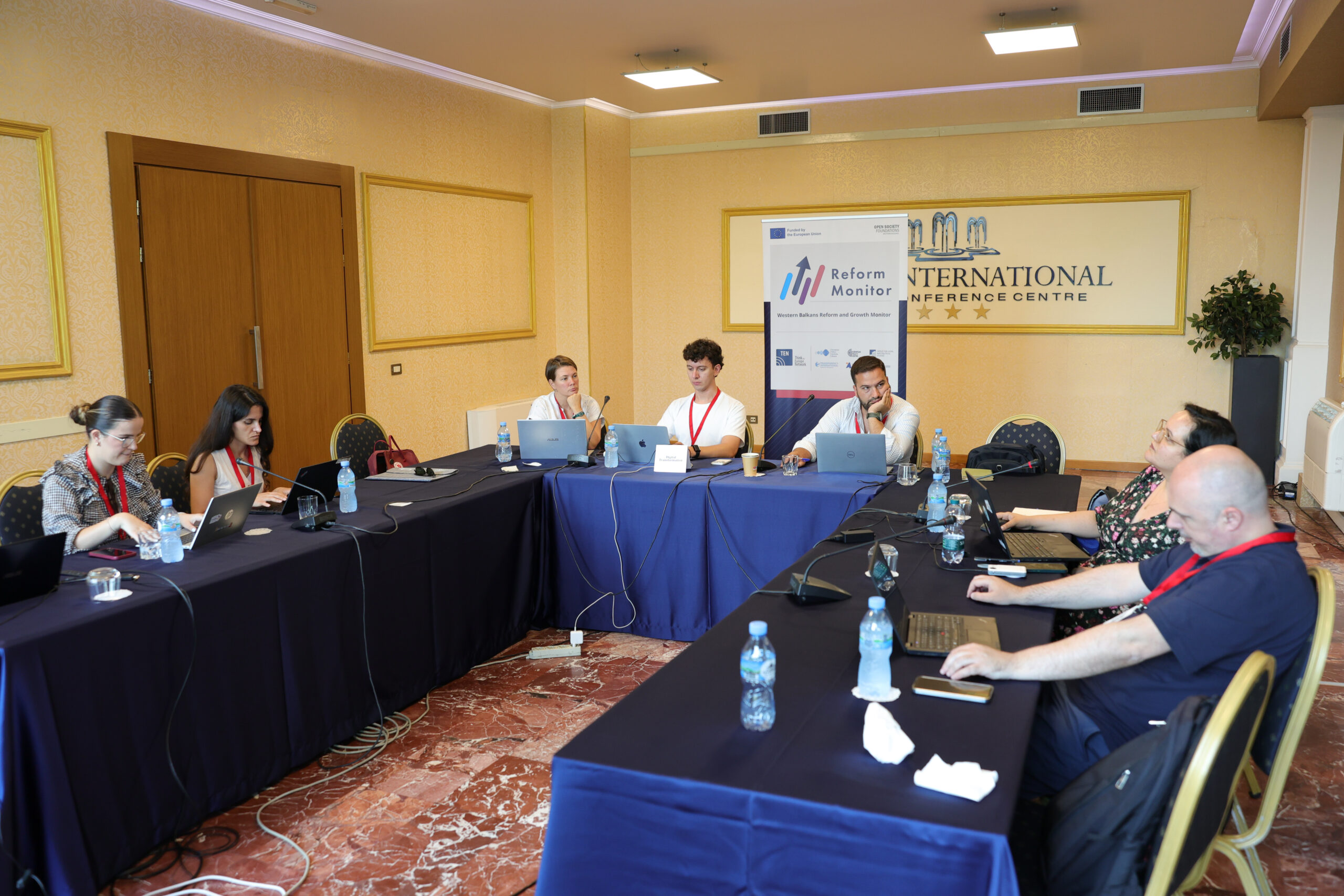
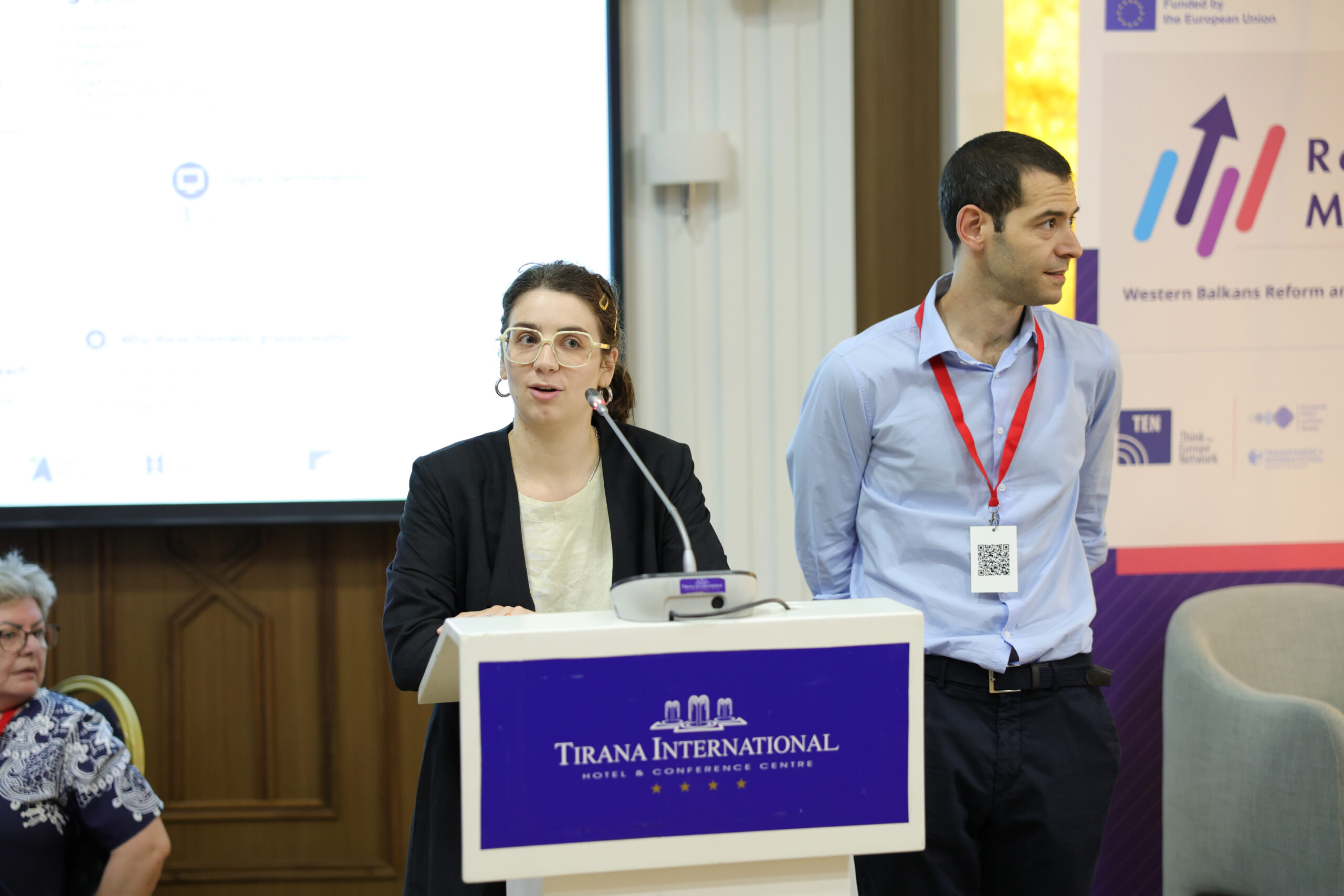
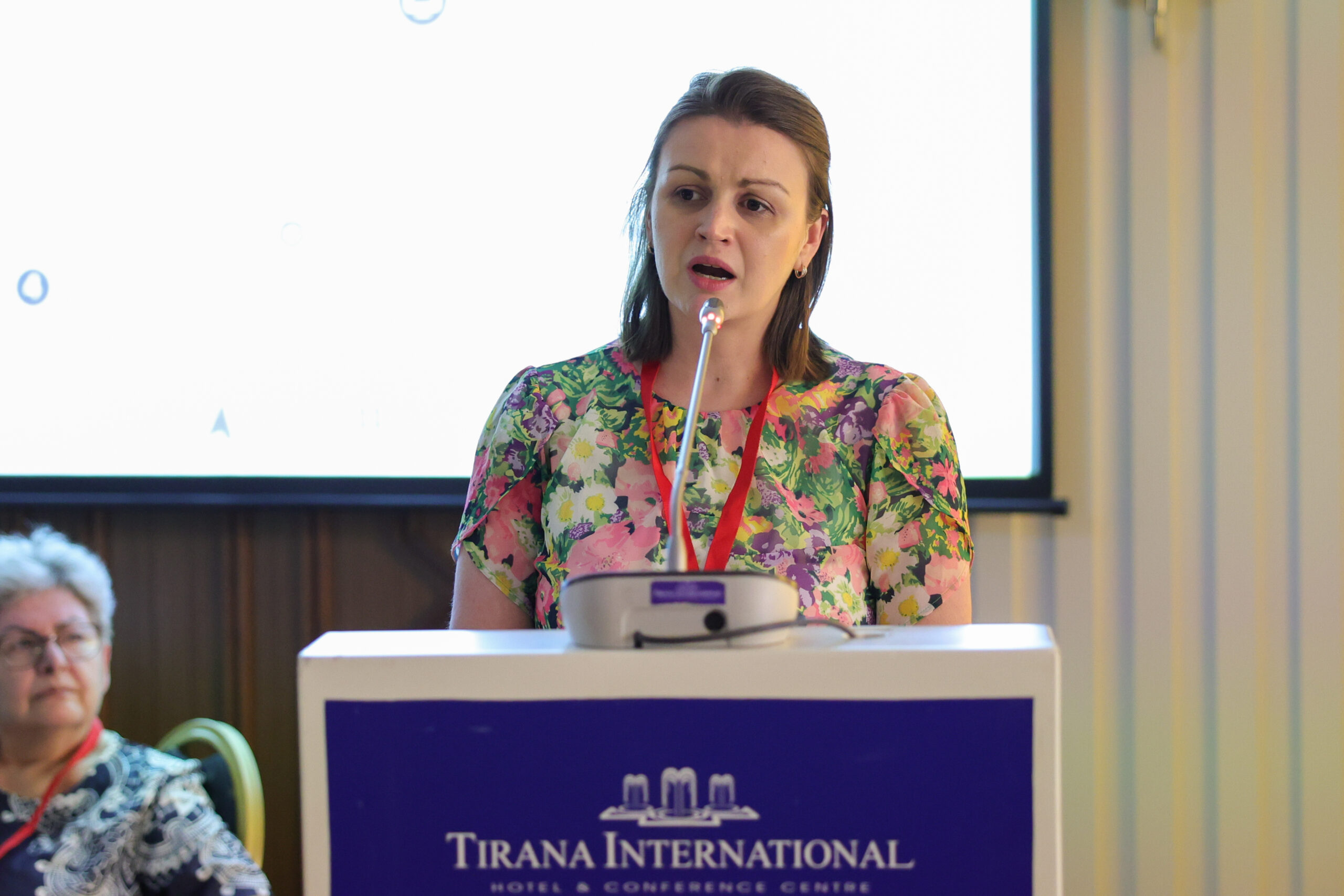
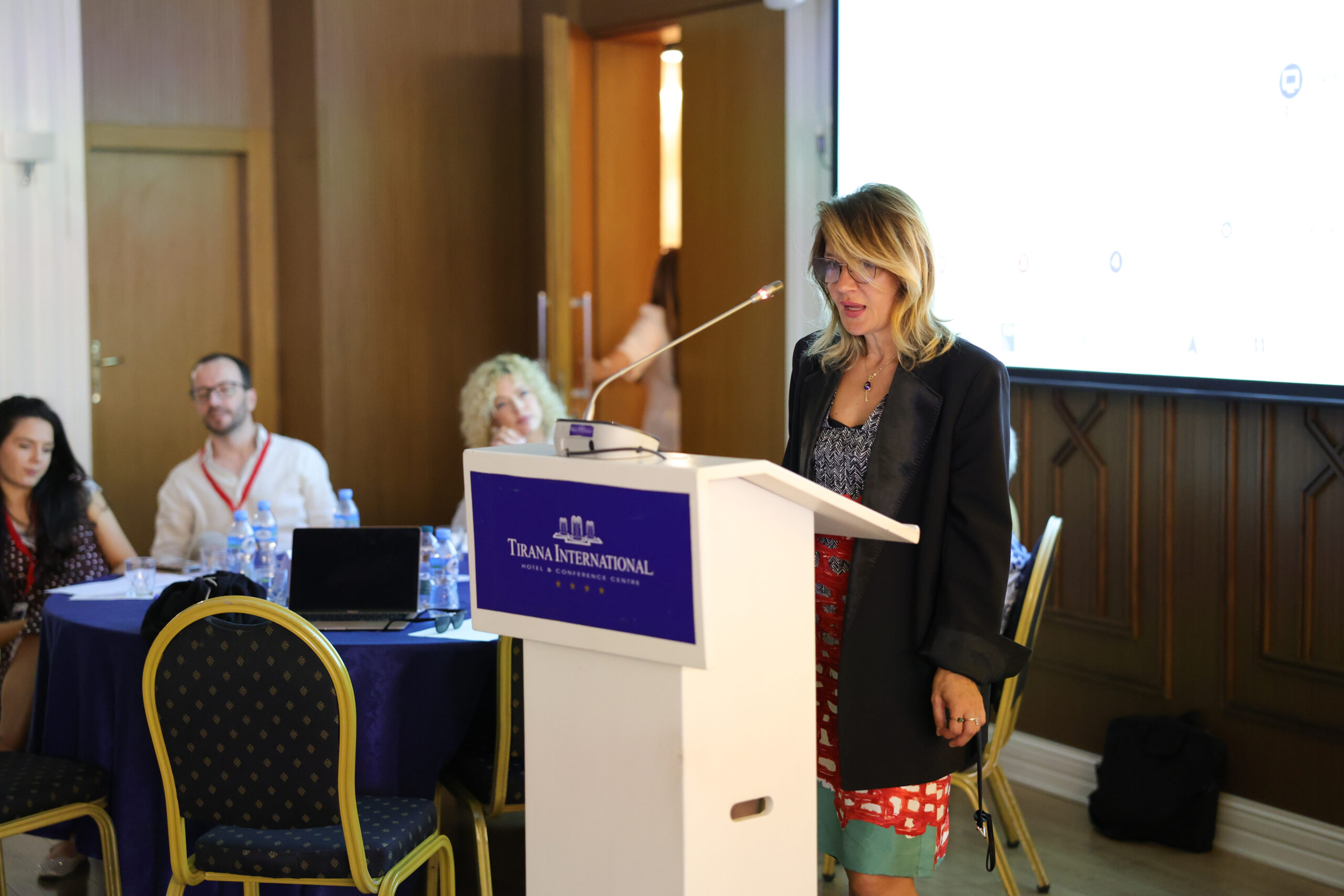
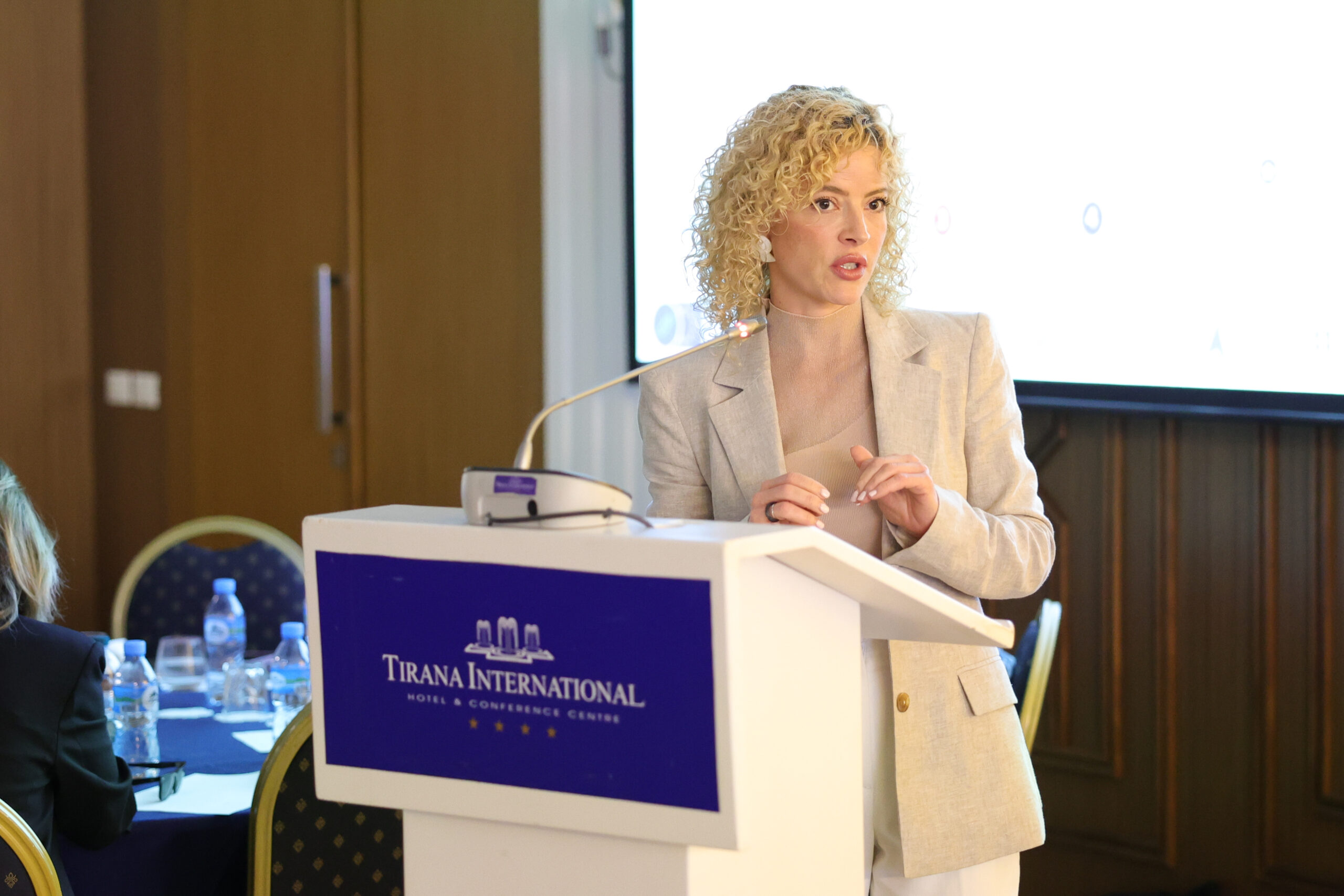
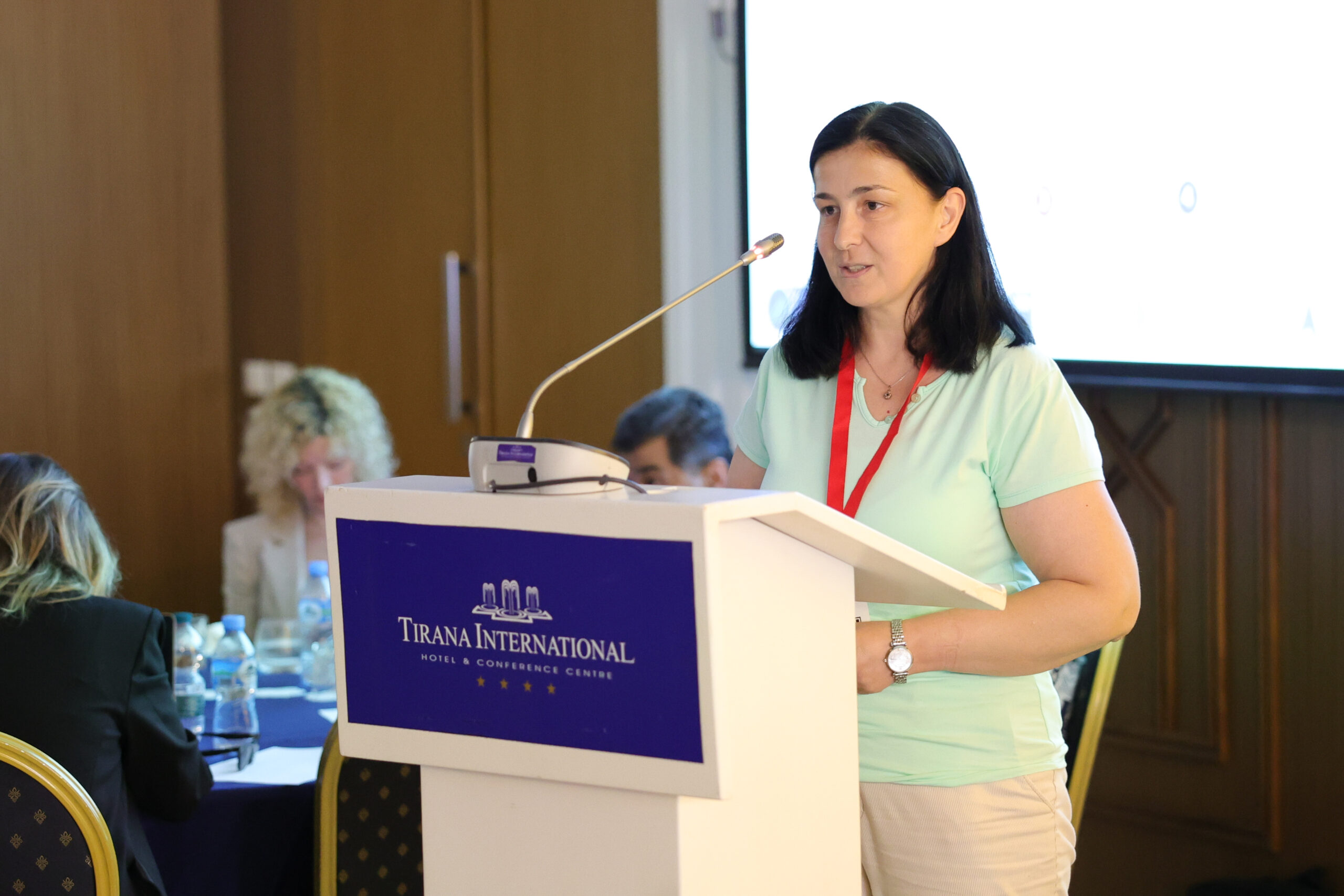
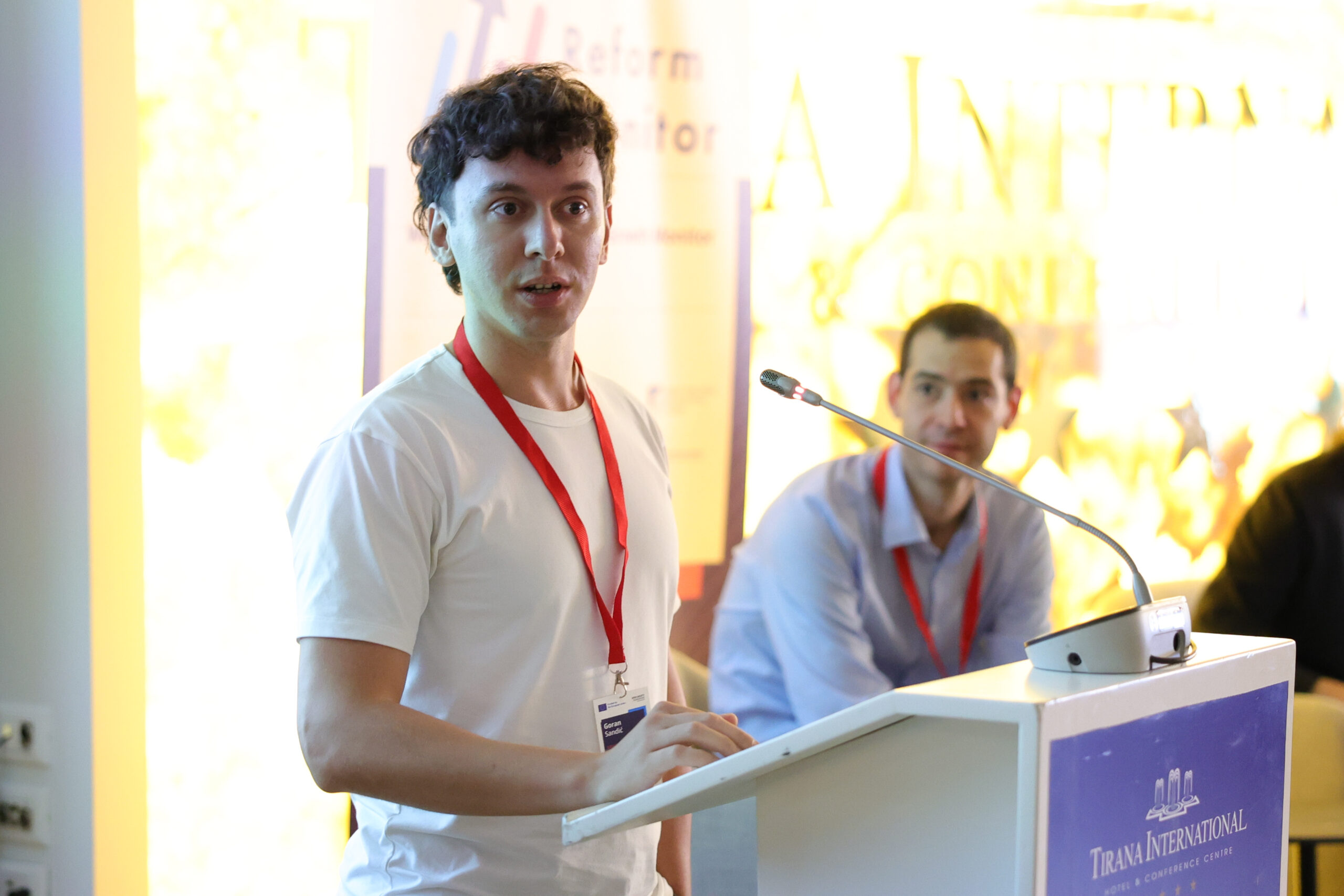
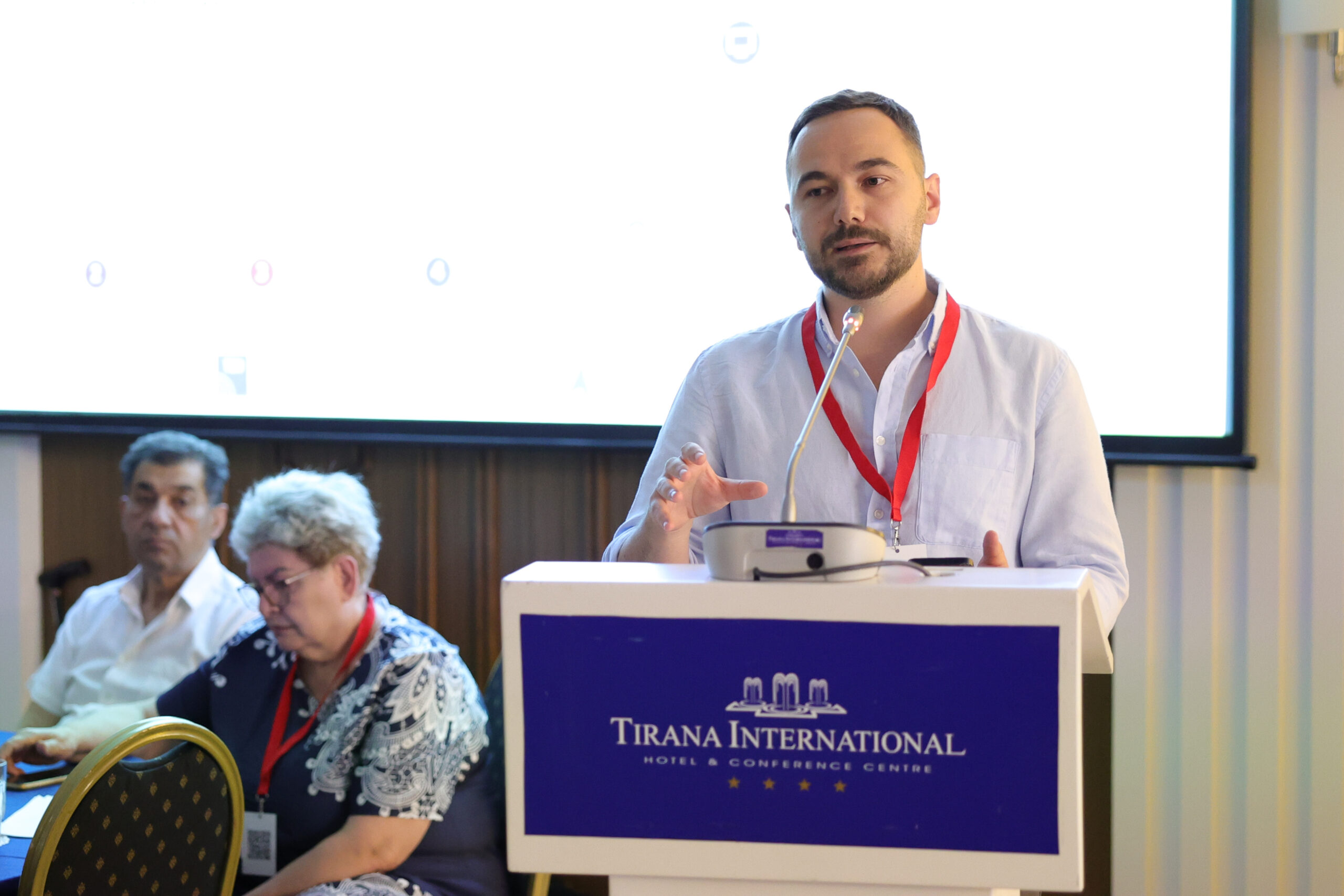
The final day was again split into two tracks before reconvening for the closing sessions.
Grantees took part in a session on civil society space in the Western Balkans and the role of CSOs in the EU accession process, including an interactive group exercise. Later, they focused on project communication and visibility, covering the EU’s visibility and branding requirements alongside practical guidance on content creation, social media engagement, and regional promotion.
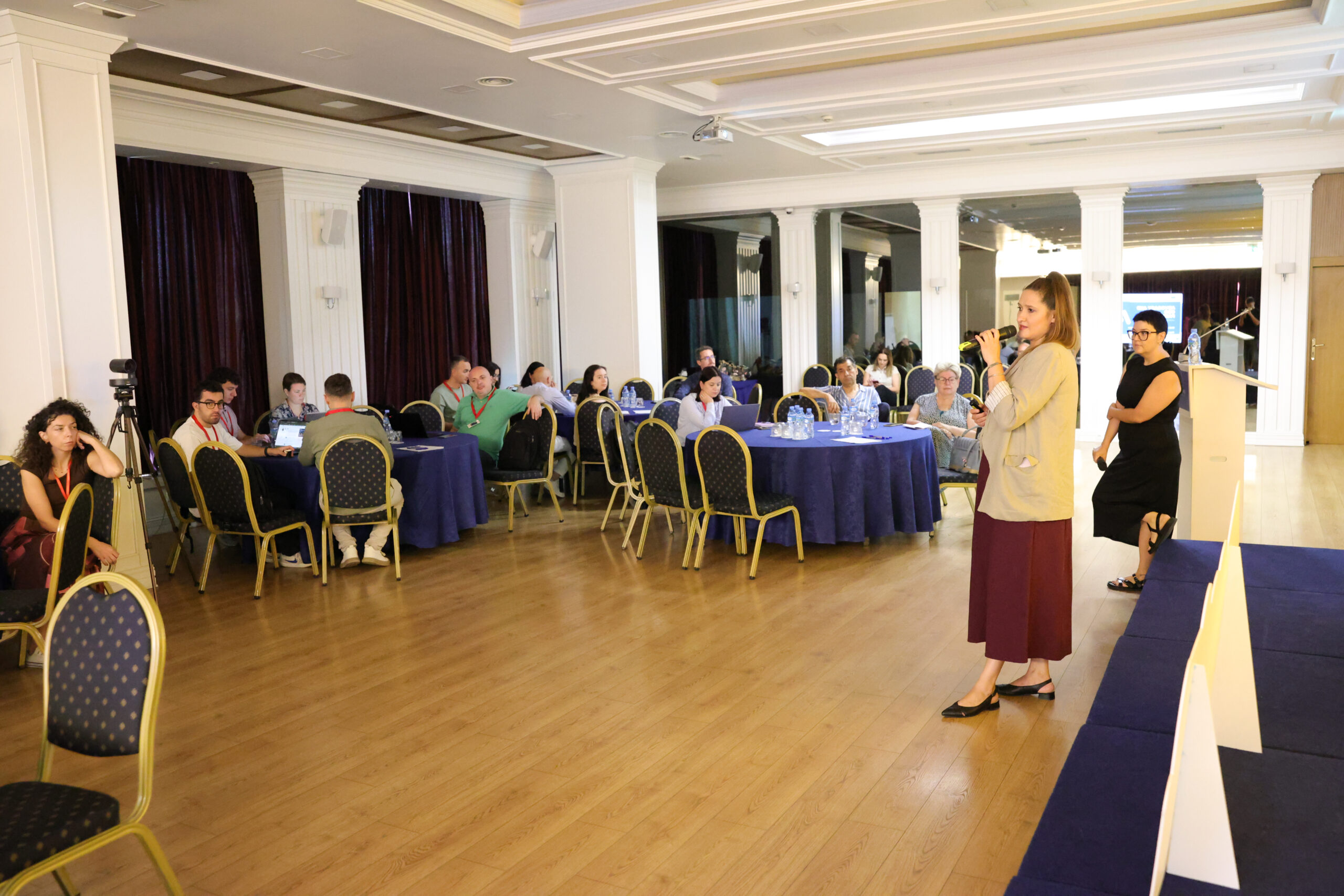
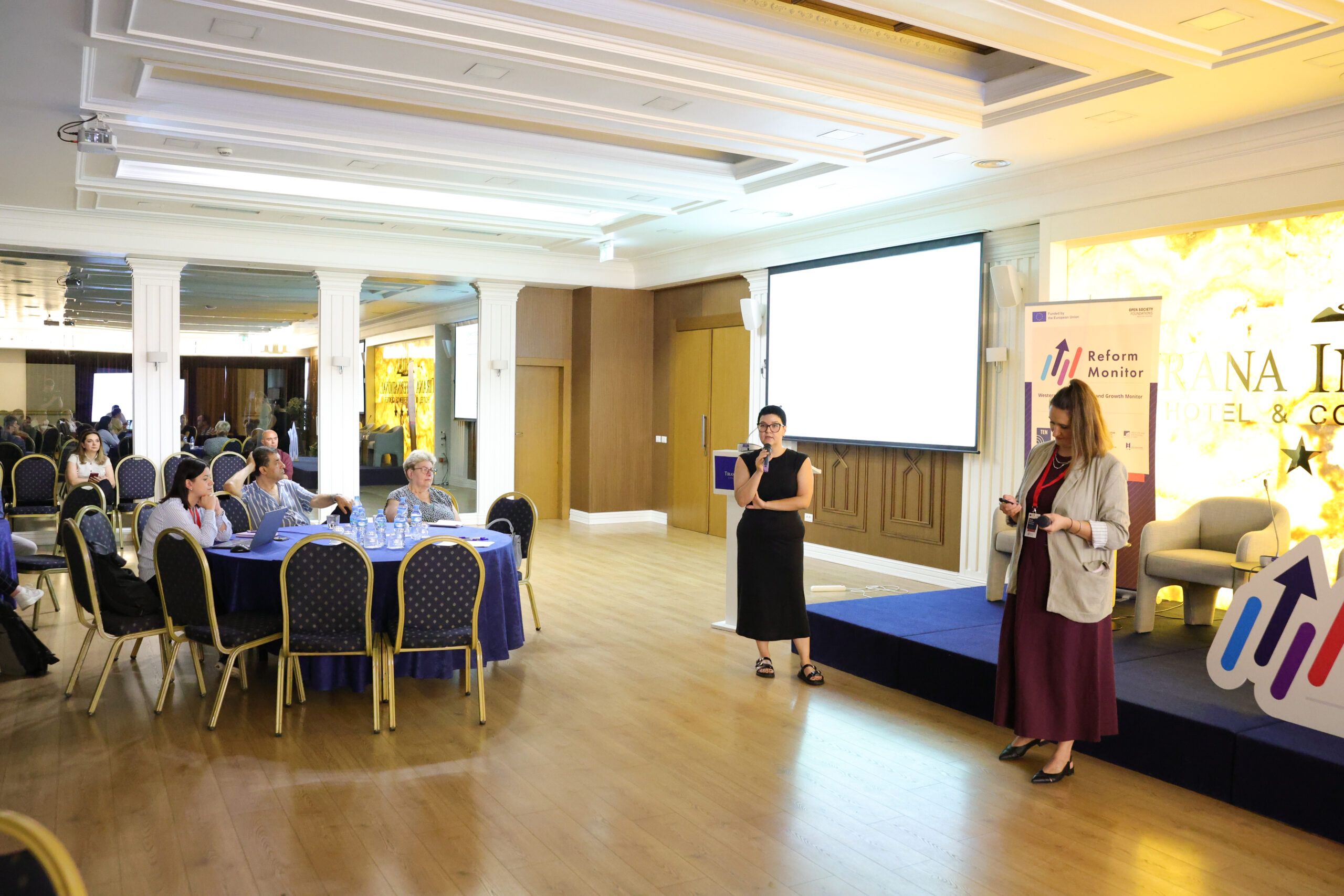
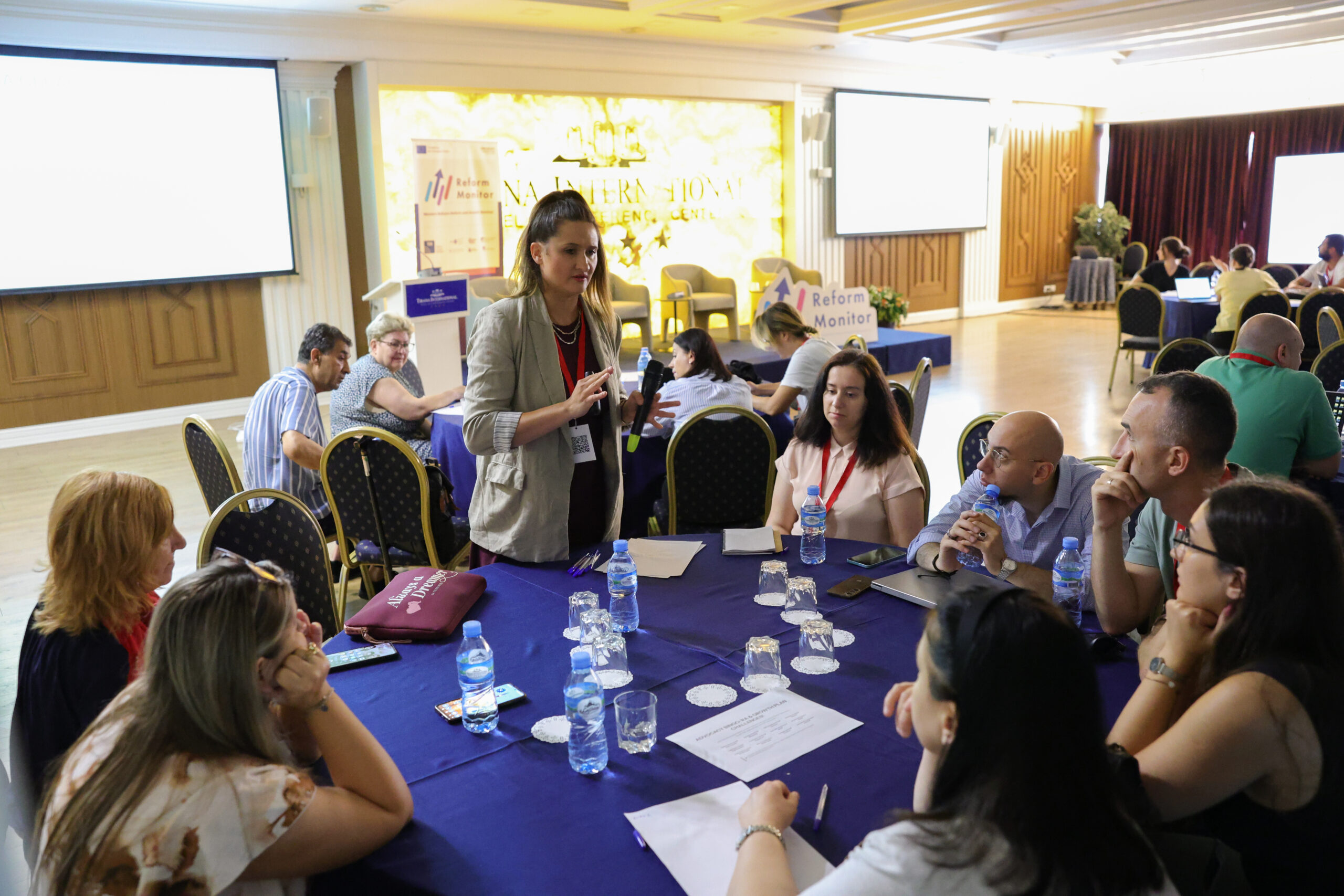
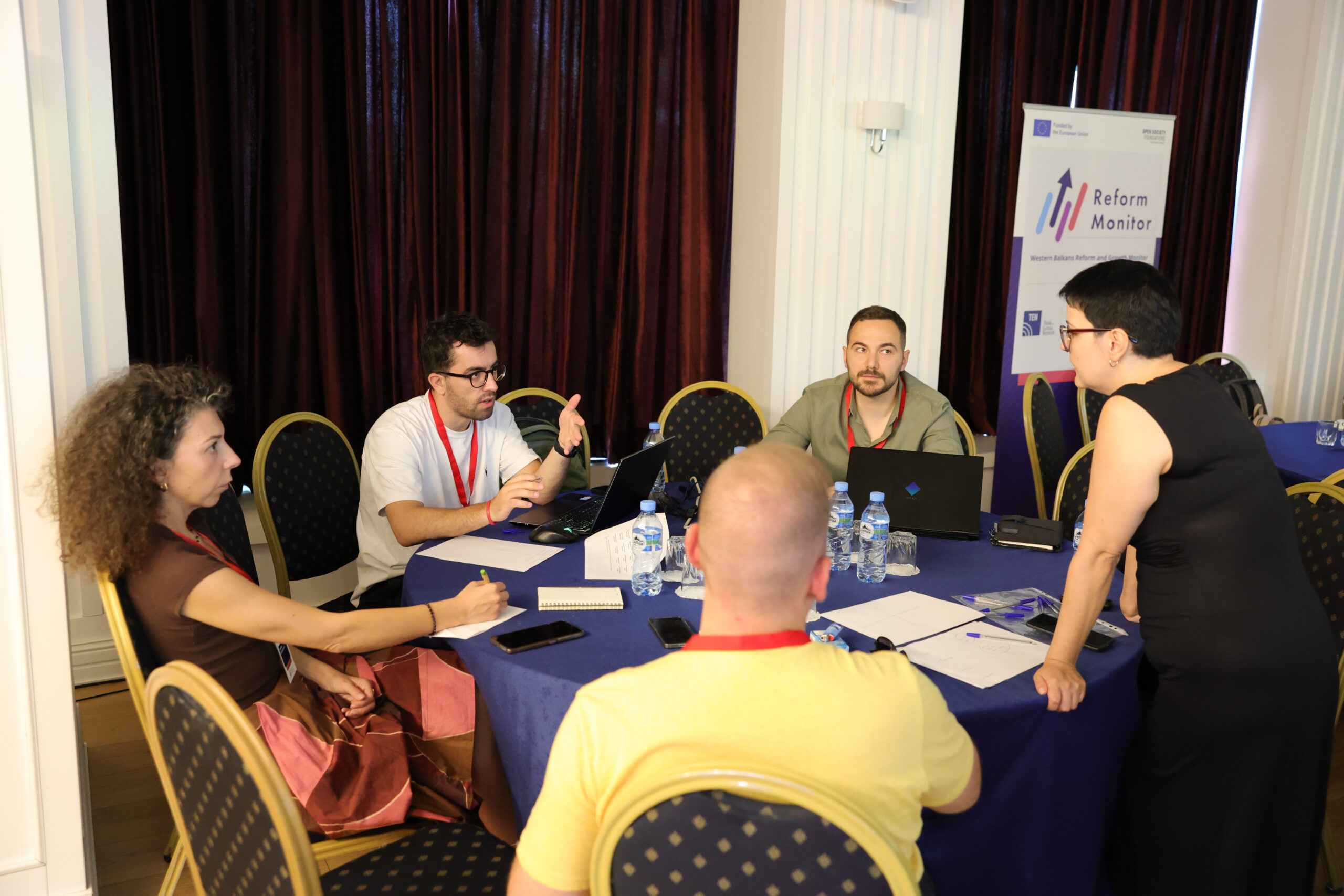
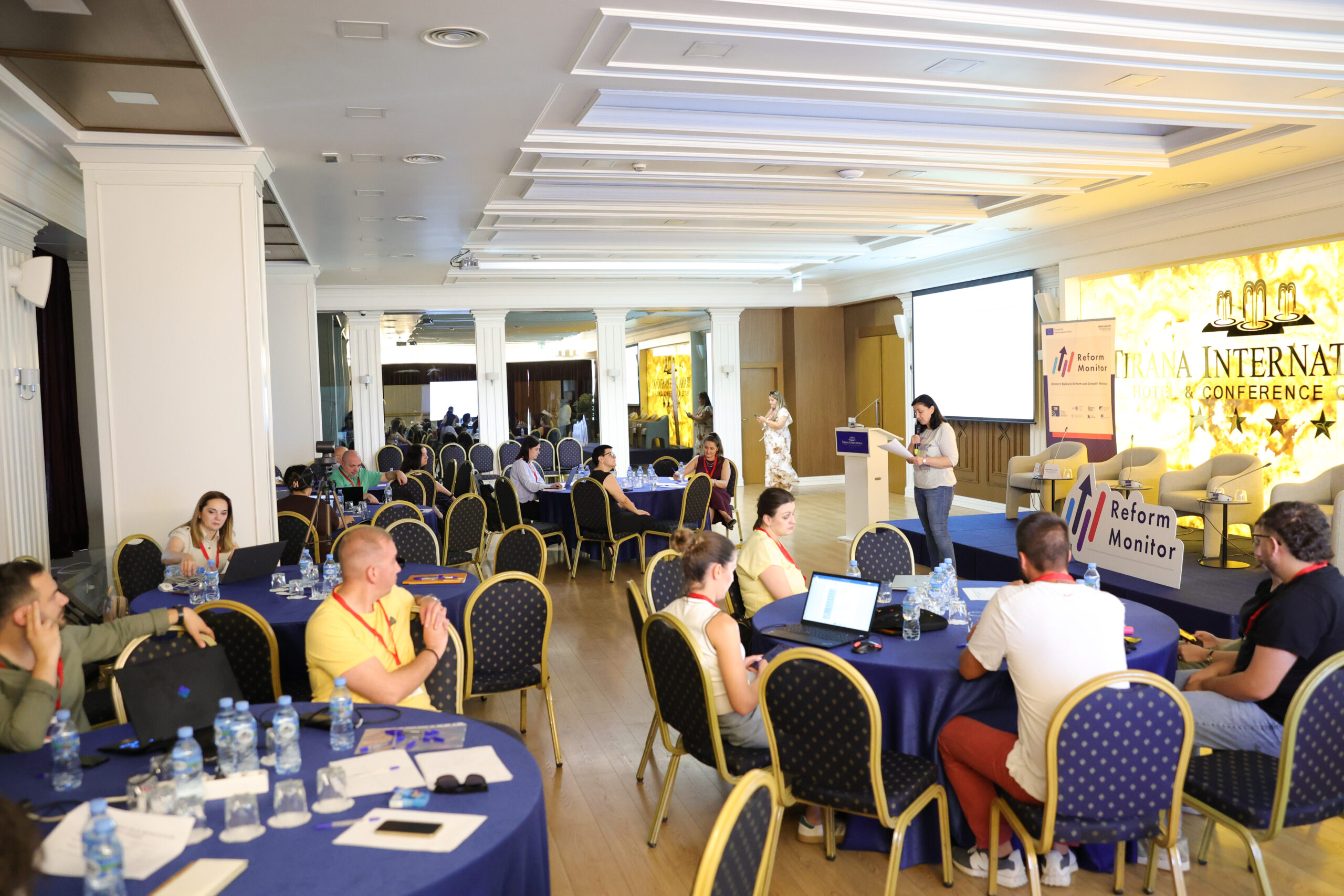
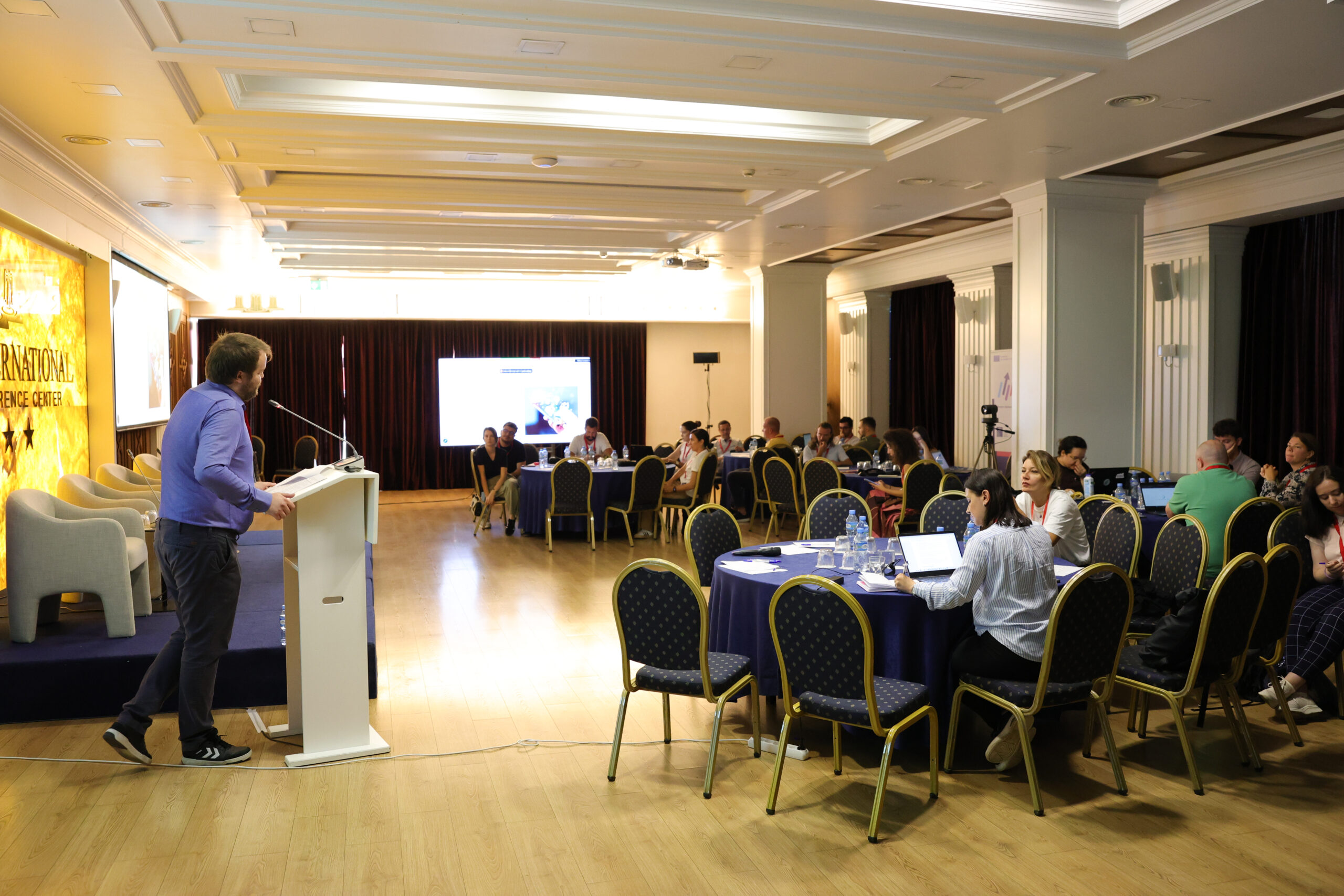
Meanwhile, the project’s core team worked on website revisions, presenting the findings of the mid-project user survey together with the strategic roadmap for improving the Reform Monitor website, and discussing the design of an interactive dashboard for tracking reforms across the region. In the last session, they looked at joint advocacy efforts across the consortium, reflecting on country-level developments, CSO participation in monitoring committees, and next steps for coordinated advocacy messaging going into the second half of 2026.
The “Western Balkans Reform and Growth Monitor” is a project implemented by the Think for Europe Network and Transparency International – BiH, funded by the European Union and co-funded by the Open Society Foundations Western Balkans.

