EC approves second release of funds for Albania, Montenegro and North Macedonia under the Western Balkans Growth Plan

On 16 October 2025, the European Commission published the second implementing decision for the release of funds to Albania, Montenegro, and North Macedonia under the Reform and Growth Facility for the Western Balkans, part of the broader Growth Plan.

The Commission’s decisions are based on evaluations of compliance with political preconditions, macro-financial stability, and specific reform commitments outlined in each country’s Reform Agenda. The release follows positive assessments of reform progress and macroeconomic conditions in the three countries, and partial implementation of specific reform steps under the Reform Agendas.

The Commission’s implementing decision approving release of funds to Albania, Montenegro and North Macedonia under the Reform and Growth Facility for the Western Balkans is avaliable here.

Albania

The European Commission found that  21 out of the 41 payment conditions related to the reform steps as set in its request and in its Reform Agenda are fulfilled by Albania. With that, the country will receive its first release of €99,323,541.9 net (post-pre-financing clearance): € 28,504,617.19 in non-repayable grants and € 70,818,924.71 in loans, with 34.75% (€ 24,609,576.34) allocated to the Western Balkans Investment Framework (WBIF). This disbursement comes in recognition of Albania’s progress on key governance and economic reforms, including public administration reform, judicial efficiency, and digitalisation of public services. Specific projects under WBIF will focus on enhancing sustainable transport networks and clean energy initiatives.

The Assessment of the Conditions for Payments is available here.

Montenegro

The European Commission found that  5 out of 18 payment conditions related to the reform steps as set out in its second request for disbursement are fulfilled by Montenegro with a deadline due June 2025. In total, Montenegro fulfilled 12 reform steps so far. With that, the country will receive its second release of funds of € 8,083,884.46 net (post-pre-financing clearance): € 2,319,973.97 in non-repayable grants and € 5,763,910.49 in loans, with 34.75% (€ 2,002,958.90) allocated to the Western Balkans Investment Framework (WBIF). 

This release follows the country’s successful implementation of reforms in public sector transparency, digital transition, and energy efficiency. Notably, Montenegro has improved the accessibility of data on State-Owned Enterprises (SOEs) and adopted several key laws aligned with EU directives, such as the Law on Information Security in line with the NIS2 directive. 

The Assessment of the Conditions for Payments is available here.

North Macedonia

The European Commission found that  4 of of 16 payment conditions with a deadline due June 2025 are fulfilled by North Macedonia, or in total 6 out of 21 for both semesters. With that, the country will receive its second disbursement of  €15,929,721.7 net (post-pre-financing clearance): € 4,571,631.37  in non-repayable grants and € 11,358,090.36 in loans, with 34.75% (€ 3,946,936.40 ) allocated to the Western Balkans Investment Framework (WBIF). The country demonstrated progress in corporate governance, internal financial controls, and justice sector reforms, although key challenges remain, particularly in the fight against high-level corruption and political interference in the judiciary.

The Assessment of the Conditions for Payments is available here.

Next Steps

The facility rewards the beneficiaries who demonstrate measurable progress in implementing their Reform Agendas in areas like the rule of law, governance, green and digital transitions, and public financial management.

Assessments for Serbia are not yet published, and the country has not yet received funding under the RGF apart from the prefinancing that beneficiaries received. In contrast, Kosovo has not yet ratified the necessary agreements, and Bosnia and Herzegovina is awaiting the Commission’s approval of its Reform Agenda.

You can find further documents and implementing decisions in the Documents section of our website.
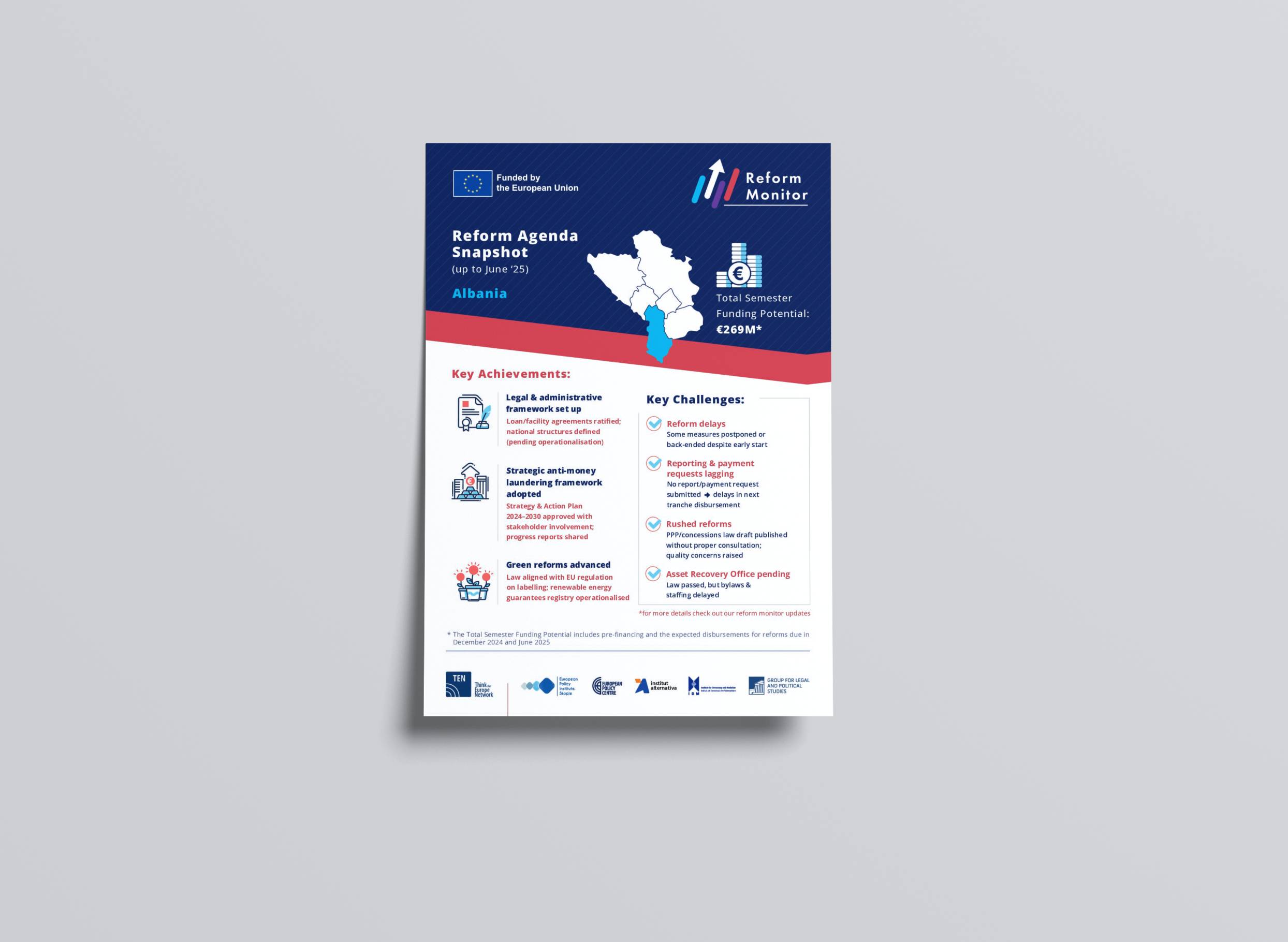
 

Reform Agenda Snapshot (Јune ‘25) – Albania

This infographic provides an overview of Albania’s Reform Agenda implementation up to June 2025, highlighting progress made, pending measures, and key challenges across priority areas.

Reform-Agenda-Snapshot-up-to-june-‘25_Albania

Albania Raport i përditësuar i Agjendës së Reformave: Monitorimi i Reformave

Përditësimi mbi Agjendën e Reformave: Monitorimi Pilot i Reformave është i pari në serinë e raporteve kombëtare të monitorimit në kuadër të projektit të Monitorimit të Reformave.

Përditësimi i parë mbi Agjendën e Reformave: Monitorimi Pilot i Reformave është një përditësim paraprak i menduar më shumë si një përmbledhje e shkurtër (paralajmëruese!), se sa si një vlerësim i detajuar. Ndërkohë që ekipi i projektit po piloton qasjen metodologjike dhe treguesit, zhvillimet e mëtejshme të politikave në javët në vijim mund të sjellin ndryshime në statusin e reformave që janë aktualisht në pritje. Shtetet kanë edhe një muaj për të bërë progres të mëtejshëm në përmbushjen e afateve të qershorit 2025. 

Monitorimi ndjek zbatimin e hapave të përzgjedhur nga Agjendat e Reformave. Hapat e përzgjedhur janë të organizuar në të ashtuquajturat “domene politikash” që bien brenda fushave të politikave dhe nën-fushave të Agjendave të Reformës. “Domenet e politikave”  janë zhvilluar si një tjetër shtresë e identifikimit të reformave dhe kodimit të hapave të reformave nga ekipi i projektit. Kjo qasje është zgjedhur me qëllim që të vihet fokusi tek hapat e reformave të përbashkëta
në të gjithë rajonin e BP-së dhe për të mundësuar analiza, referime dhe krahasime në nivel rajonal, duke pasur parasysh burimet njerëzore në dispozicion dhe ekspertizën tematike të rrjetit TEN. Për më shumë informacion rreth aspekteve metodologjike dhe procesin e përzgjedhjes së hapave të reformave, shih shënimin metodologjik

Përditësimi Pilot mbi Agjendën e Reformave ndjek një strukturë të harmonizuar me metodologjinë e Monitorimit të Reformave, duke mbuluar: (1) Përmbledhjen ekzekutive; (2) pajtueshmërinë procedurale sipas RGF-së; (3) statusin e zbatimit të hapave të reformave sipas domeneve të politikave; dhe (4) narrativën dhe analizën e ecurisë dhe sfidave kyç. Çdo pjesë ofron një pasqyrë të përgjithshme të ecurisë dhe pengesave që lidhen me zbatimin e Agjendës së Reformave në Shqipëri.

Ju lutemi të merrni në konsideratë se data e fundit e mbledhjes dhe vlerësimit të të dhënave për këtë përditësim ka qenë 30 qershor 2025. Zhvillimet që do të ndodhin pas kësaj date nuk do të pasqyrohen në këtë raport, por do të merren parasysh në përditësimet pasardhëse.

RA_Pilot-Reform-Monitor_Albania_First-Semester-2025_As-of-June-2025_alb.-version

Download

Albania Reform Agenda Update – Pilot Reform Monitor

This Reform Agenda Update: Pilot Reform Monitor is the first in the series of national monitoring reports within the Reform Monitor project.

This first Reform Agenda Update: Pilot Reform Monitor is a preliminary update intended as a mid-semester snapshot (alert!) rather than a detailed evaluation. As the project team pilots the methodological approach and the indicators, further policy developments in the coming weeks may shift the status of currently pending reforms. The countries have one more month to make further progress to meet the June 2025 deadlines.

The Reform Monitor tracks the implementation of selected reform steps from the Reform Agendas. The selected reform steps are organised in so-called “policy domains” that fall within the policy areas and sub-areas of the Reform Agendas. These “policy domains” are developed following an additional level of reform identification and coding of reform steps by the project team. This approach was chosen to focus on reform steps common across the WB region and to enable regional-level analyses, benchmarking and comparability, given the available human resources and the thematic expertise of the TEN network. For methodological notes and the reform steps selection process, see the draft methodology note.

This Pilot Reform Agenda Update follows a structure aligned with the Reform Monitor’s methodology, covering: (1) a high-level Executive Summary; (2) procedural compliance under the RGF; (3) reform steps implementation status per policy domain; and (4) narrative and analysis of key progress and challenges. Each section provides a snapshot of progress and obstacles related to Albania’s Reform Agenda implementation.

Please note that the cut-off date for data collection and assessment for this update is June 30, 2025. Developments occurring after this date are not reflected in this report but will be considered in subsequent updates.

RA_Pilot-Reform-Monitor_Albania_First-Semester-2025_As-of-June-2025
Download

First Roundtable of the Dialogue Platform for the Reform Agenda

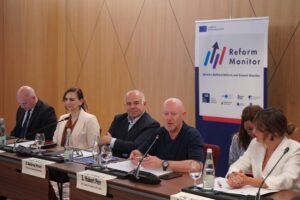
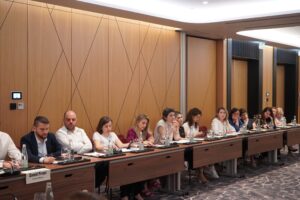
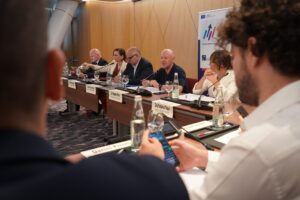
Today marked the first roundtable of the dialogue platform for the Reform Agenda, serving as a starting point for collaboration between civil society, public institutions, and the European Union to create a transparent and inclusive framework for implementing reforms.

The discussions focused on the establishment of the RGF Monitoring Committee, the ministries’ progress in carrying out planned measures, and the involvement of civic actors to guarantee a reform process with lasting impact.

Moving forward, the platform will continue to function as a structured tripartite dialogue mechanism grounded in transparency and data, ensuring meaningful participation from civil society, academia, and the private sector.

N-CoMER-Roundtable-Summary-Report-5-JUNE-1.pdf

The first meeting of the N-CoMER in Albania will be on 5th of June

Since the endorsement of the Reform Agenda last November, Albania has entered a new phase of its EU integration journey—one that is not only ambitious in scope, but also unprecedented in terms of the financial and political support it has mobilized. Under the Growth Plan for the Western Balkans, Albania stands to receive up to EUR 922 million by 2027. The first pre-financing tranche of EUR 64.5 million has already been disbursed, marking a tangible start to this multi-year commitment.

Progress is gradually taking shape. In February 2025, Albania submitted its first reform progress report, now under assessment by the European Commission. If approved, it will unlock the next EUR 76.7 million. By June 2025, a further EUR 127.8 million may follow, conditional on the completion of 18 reform steps across five policy areas.

To support this process, key institutional steps have been taken. In March, Albania ratified the loan and facility agreements. In May, the Council of Ministers formalized national coordination and reporting structures to guide implementation. Within this framework, SASPAC, as National Coordinator, will jointly establish with the European Commission a Reform and Growth Facility (RGF) Monitoring Committee. This body will include civil society and business representatives and convene annually to review reform progress and promote accountability.

Yet, institutional action alone is not enough. Meaningful reform depends on the active involvement of civic actors—organizations, experts, and communities who can contribute to implementation and independent monitoring. To this end, the IDM Albania has launched N-CoMER as a platform for cross-sector dialogue. It aims to strengthen civil society’s voice in shaping inclusive and transparent reform processes.

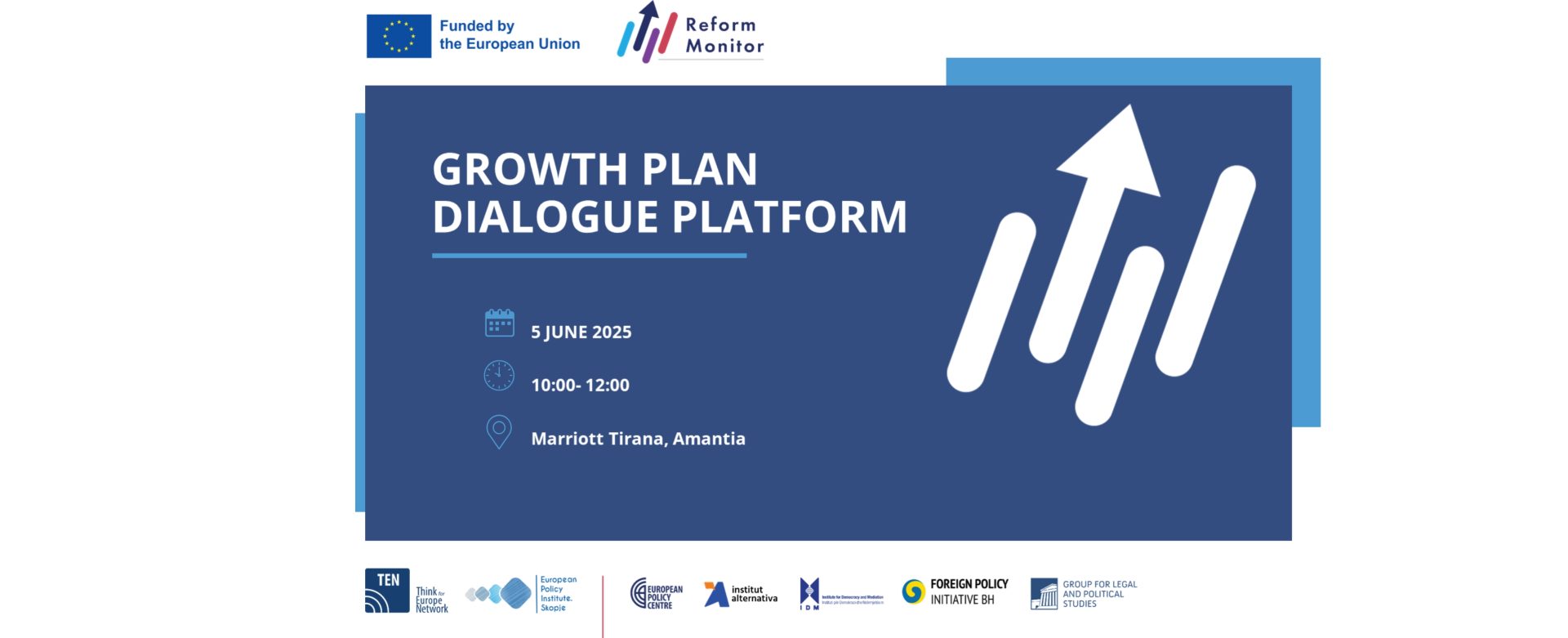
This first roundtable will bring together civic and institutional actors as well as international partners to review the progress of the Reform Agenda, discuss the role of national consultation and coordination bodies, and explore participatory strategies for its execution.

The event will be held on the 5th of June, 10:00 – 12:00, at Marriott Tirana, Amantia.

Agenda – RA Dialogue Platform 5 June

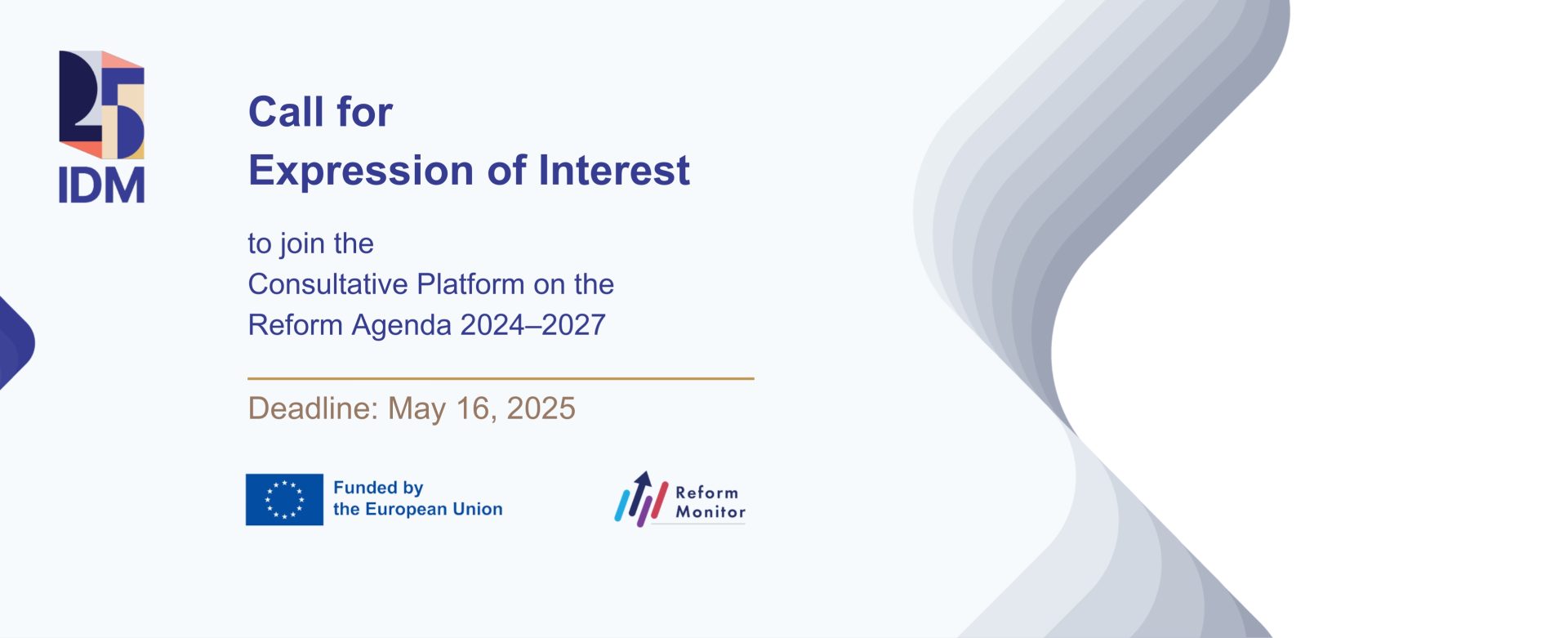
Call for Expression of Interest to Join the Consultative Platform on the Reform Agenda of Albania 2024–2027

The Institute for Democracy and Mediation (IDM), as part of the regional project WB Reform and Growth Monitor implemented by the TEN – Think for Europe Network, invites civil society organizations (CSOs), chambers of commerce, social partners, academic institutions, and other interested stakeholders in Albania to express their interest in joining the Consultative Platform on the Reform Agenda 2024–2027 (RA 2024–2027).
The N-CoMER platform serves as a consultative forum that promotes structured, inclusive, and evidence-based dialogue between public institutions and non-governmental stakeholders — including CSOs, business representatives, and academia — focused on the implementation and monitoring of Albania’s Reform Agenda. This initiative operates within the context of the EU’s Reform and Growth Facility for the Western Balkans.
The platform is open to all non-state actors with relevant experience or interest in the areas of reform implementation, Growth Plan monitoring, and/or EU integration. Members are expected to contribute constructively and adhere to the principles of transparency, inclusiveness, and open dialogue.
To join the platform, please complete the application form at the following link no later than May 16, 2025https://forms.gle/7H1k7BVMSmuDhcPx6
For further details on the platform and participation criteria, please consult the explanatory document.
N-CoMER Albania – Call for Expression of Interest