Roundtable and N-CoMRA meeting in Kosovo: “Kosovo’s Reform Agenda: What’s Next?”

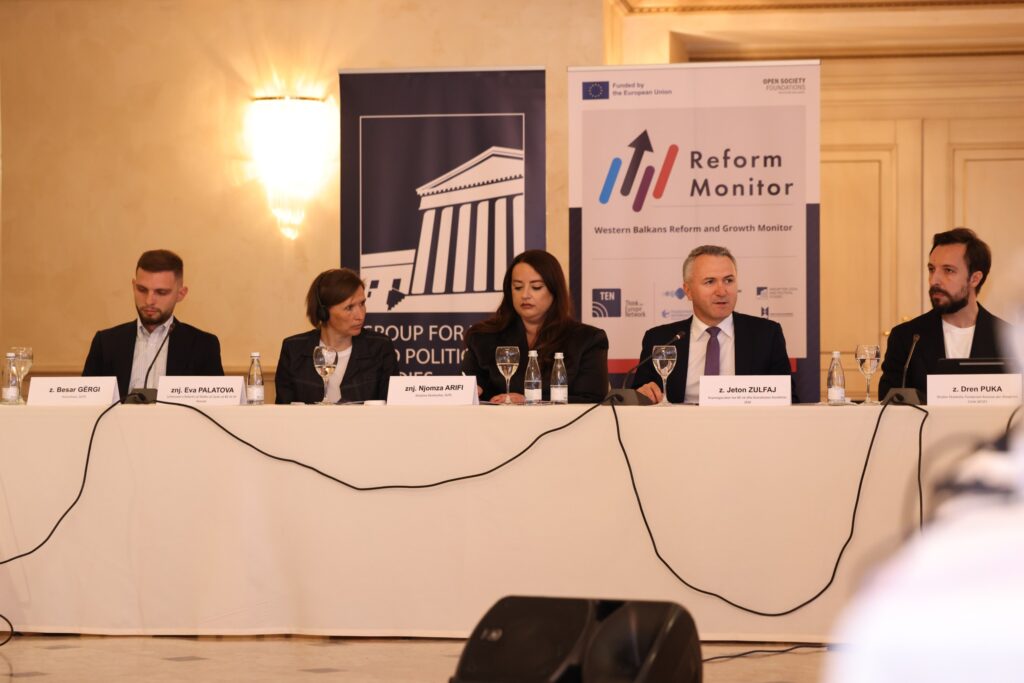
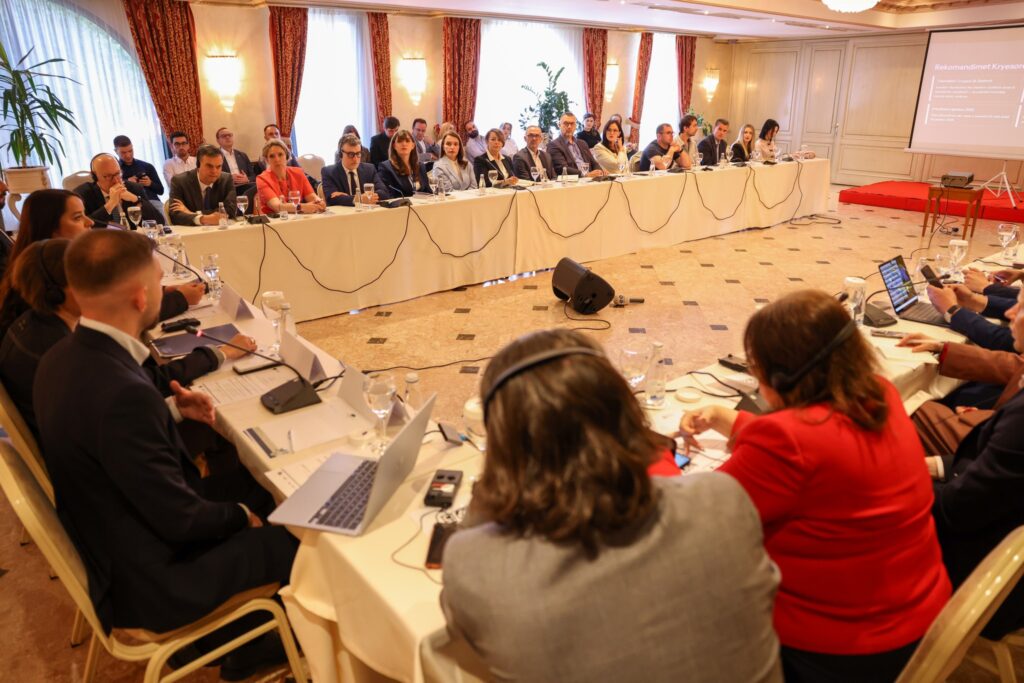
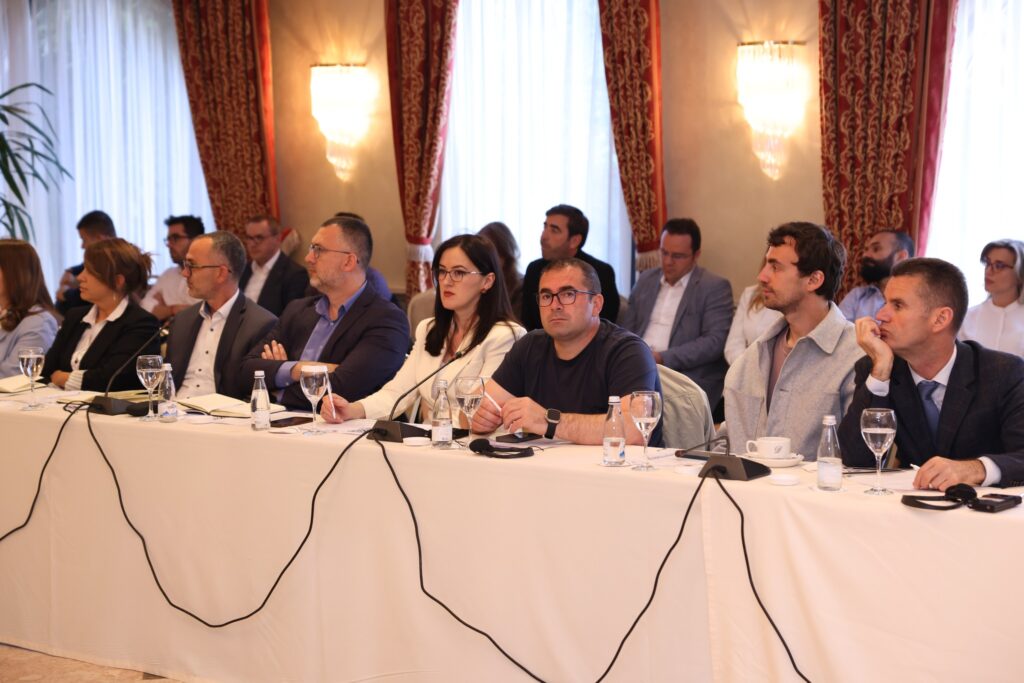
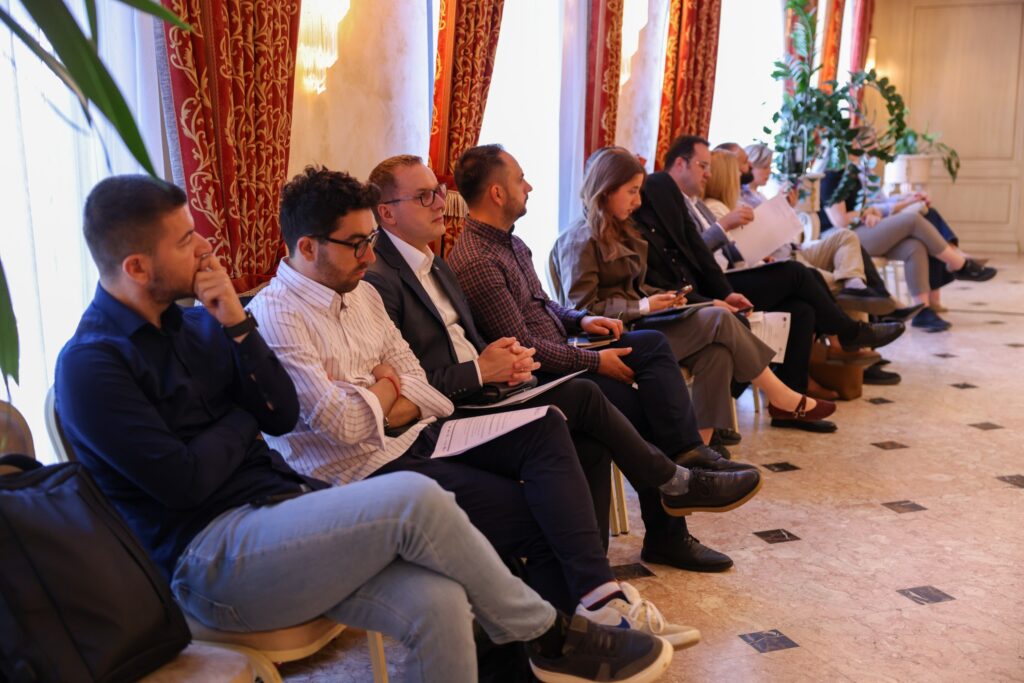
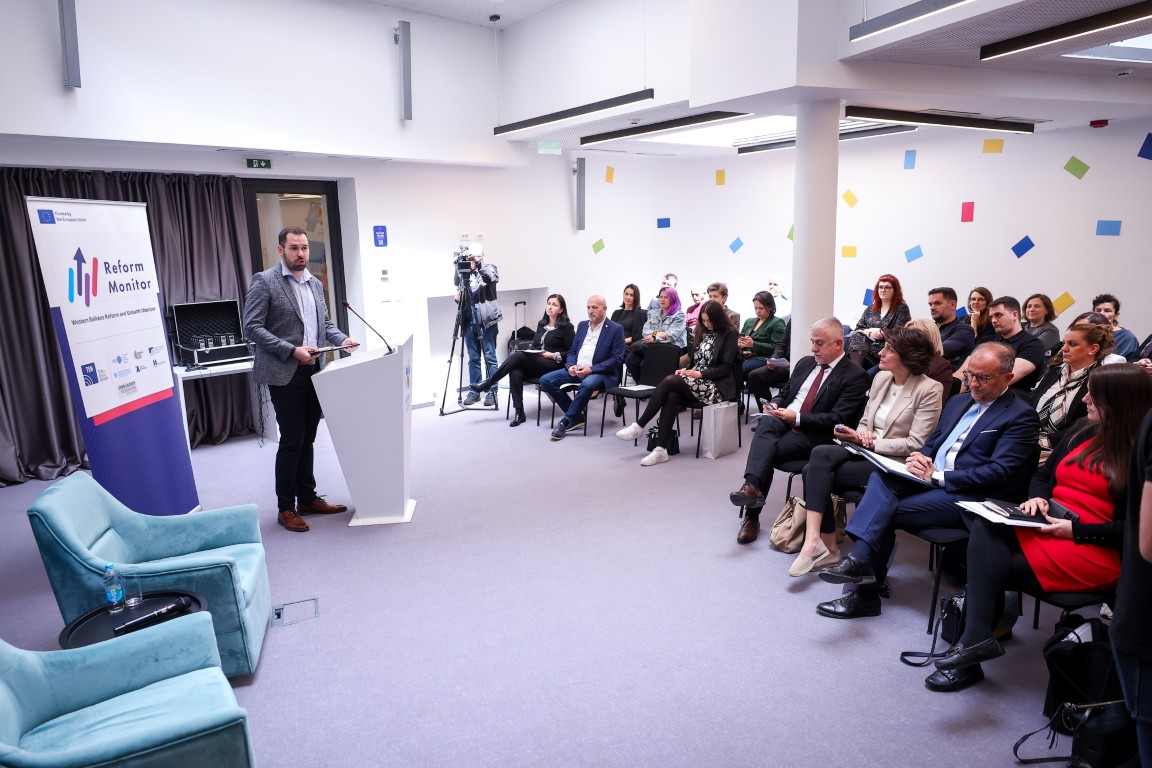
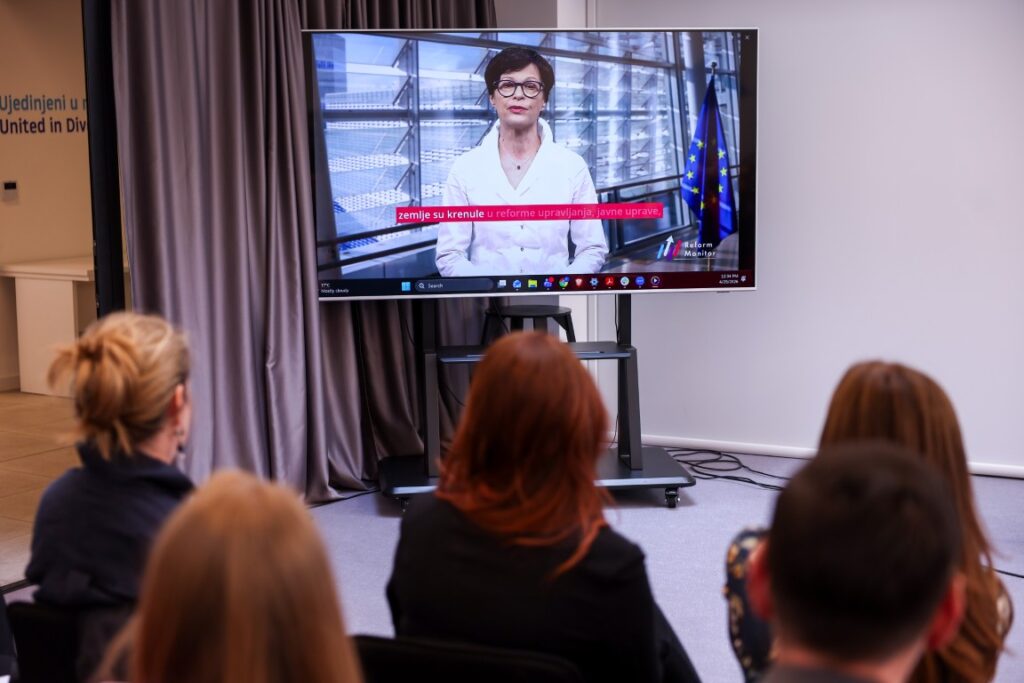
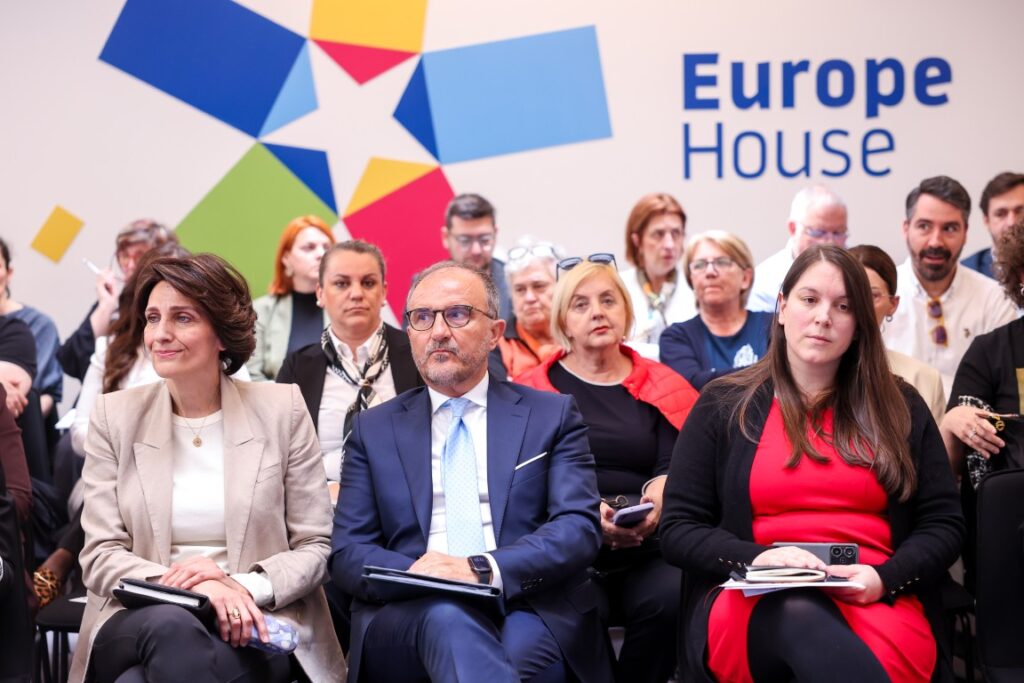
The Group for Legal and Political Studies (GLPS) organised the Roundtable Discussion on the topic: “Kosovo Reform Agenda: What’s Next?” With a panel composed of the Chief Negotiator and National Coordinator for the Reform Agenda Mr. Jeton Zulfaj, the Acting EU Ambassador Ms. Eva Palatova, and the Executive Director of KCSF Mr. Dren Puka, as well as with the presence of the EU Office, embassies and civil society organisations, and discussed the Reform Agenda and the institutional steps.

Initially, in the introductory speech, the Executive Director of GLPS Ms. Njomza Arifi gave a chronology of events from the conception of the Growth Plan as an idea to the drafting of the Reform Agenda and the ratification of the sentiments in the Assembly. Further, researcher Besar Gërgi presented the report on the monitoring of clarifications at the end of the third semester (December 31, 2025) Kosovo lost many opportunities due to political blockades.

Chief Negotiator Jeton Zulfaj expressed his willingness to implement executive reform measures that do not depend on the Assembly for which some of the steps will be ahead of the June deadline. Ambassador Palatova declared for a co-existence of society and political forces in the function of the structures of a moment for EU integration and made her choice for compromise between political parties. Dren Puka from KCSF added that the involvement of civil society is in this process for effective people.

GLPS would like to reiterate that many of the reform measures have stalled as a result of the responses of the political actors’ willingness to compromise and as a long-standing response to the loss of materials. In case of disagreements on the reforms of June 2025, the grace period of submission on June 30, 2026, the country risks losing 68.8 million euros. Therefore, GLPS once again calls for a serious treatment of the European integration and the Growth plan of political actors and asks for the strategic interests of the country.

Without reforms, BiH loses one billion marks from the Growth Plan by the end of the year, Marta Kos: There will be no extension of this deadline

Bosnia and Herzegovina faces the risk of permanently losing 373.9 of the total 976.6 million euros available to it through the Growth Plan for the Western Balkans if it does not implement reforms in the areas of strengthening the , judicial integrity, preventing conflicts of interest, and protecting whistleblowers by the end of the year, as it committed to under the Reform Agenda.

While warnings from the EU indicate that deadlines will no longer be extended, BiH has already been sanctioned with a 10% reduction in available funds due to delays, meaning that 108 million euros will be invested elsewhere instead of in development and infrastructure projects in BiH, and further procrastination means not only the loss of nearly one billion marks, but also further erosion of credibility on the European path.
Just last week, I sent a letter to the authorities, warning that Bosnia and Herzegovina risks losing hundreds of millions of euros if the necessary reforms are not implemented by December 2026. years” emphasized Marta Kos, European Commissioner for Enlargement, in a  at the opening of the First Consultative Forum on the Implementation of the Reform Agenda in BiH (CONFRA BiH), organized today in Sarajevo by  International in Bosnia and Herzegovina (TI BiH).

She added that there will be no extension of this deadline, warning that “almost 50 percent of the funds (977 million convertible marks) could be lost” and reminded that countries in the region have launched necessary reforms in governance, public administration, the private sector, energy, human capital, and the rule of law, after which the promised funds followed.

Unlike them, Bosnia and Herzegovina, where public focus has been too long on the amount of available funds rather than on the obligations that must be fulfilled, has still not signed and ratified the agreement on accession to the Reform and Growth Instrument and the loan agreement, which are prerequisites for using the 976.6 million euros.

However, inaction also carries its own cost. Namely, in the absence of reforms, Bosnia and Herzegovina risks losing 373 million euros from the funds allocated under the Growth Plan, in addition to the 108 million euros it lost last year.

“The reforms in the Reform Agenda are the blueprint for an economic transformation in this country – one that will help it to use its considerable economic potential. This country has an educated population, a proud industrial tradition and is geographically located in the heart of Europe close to the European Single Market.” stated Luigi Soreca, Head of the EU Delegation to Bosnia and Herzegovina, adding that these advantages are not being utilized sufficiently.

The education system needs urgent reform. Much of BiH’s industry relies on ageing technology, and needs to be modernised, including to take advantage of the clean energy revolution. BiH may be geographically close to the European Single Market, but barriers still exist to accessing it. The reforms in the Reform Agenda help bring these barriers down and move this country closer to receiving the benefits of EU membership. There is however also a cost to inaction – in the absence of reforms, regrettably, Bosnia and Herzegovina is at risk of losing EUR 373 million from its allocation under the Growth Plan, in addition to the EUR 108 million it lost last year” Soreca added.

Forum participants emphasized that the aforementioned funds from the Growth Plan are not a reward for declarative commitment to the European path, but support for countries that demonstrate , capacity, and responsibility to implement reforms. Therefore, BiH must appoint a national coordinator, establish a secretariat, a monitoring committee, and contact points for each reform step, so that it is clear who is responsible for implementation, monitoring, and reporting.

In addition, it was emphasized, the implementation process must be more open to the public, which means that the authorities must publish the Reform Agenda in the official languages of BiH together with a list of infrastructure projects to be financed from the Growth Plan, so that citizens know what the state has promised and where it plans to direct the available funds.
The Growth Plan is a test of institutional responsibility, not just a financial opportunity. If the authorities in BiH are not prepared to implement the reforms they themselves undertook, then the problem is not only in the lost funds, but in the message that political representatives are sending to the EU and citizens. The attitude toward the Growth Plan today shows the real attitude toward BiH’s European path “, stated Ivana Korajlić, Executive Director of TI BiH.

TI BiH warns that when establishing the institutional framework, lessons learned from a decade of a dysfunctional coordination mechanism must be utilized. Through the new system, it is necessary to define clear responsibilities, deadlines, and mechanisms for overcoming blockages, so that the implementation of the Reform Agenda does not turn into another captured process.

and other relevant actors need to be included in the work of the monitoring committee through a transparent process and clear criteria, based on expertise, experience, and proven results. Only in this way can the monitoring and reporting process be of higher quality, more open, and focused on real results.

Continued delays and political blockages do not only mean the loss of available funds. They directly harm BiH’s credibility before the European Union and member states, and reduce the chances that the country will make a serious step forward toward opening negotiations in the near future. Therefore, TI BiH calls on the authorities to open the implementation process of the Reform Agenda to civil society and to use CONFRA BiH as a space for regular dialogue, monitoring progress, and addressing obstacles in fulfilling undertaken obligations.

[Поткаст со министерот Андоновски] Како се гради дигитална иднина со помош на Реформската агенда?

Во оваа епизода на Reform and Monitor поткастот, министерот за дигитална трансформација Стефан Андоновски ги споделува достигнувањата и предизвиците во дигиталната трансформација на Северна Македонија, со фокус на Реформската агенда и имплементацијата на новите закони и системи.

Во разговорот министерот ги споделува и искуствата во остварувањето на реформските мерки, инфраструктурата и соработката со приватниот сектор, невладиниот сектор и ЕУ.


EU disbursed 7% or 61.2 million euros of the Growth Plan for Kosovo

The WB Reform and Growth Monitor Project welcomes the EU decision to disburse the 7% or 61.2 million euros of the Growth Plan for Kosovo. This step follows the ratification of the Facility and Loan agreements on 13 February 2026 and the completion of other technical procedures. This disbursement marks the country’s first step towards benefiting from the total package of 883 million euros allocated to Kosovo from the Growth Plan.

There is now no obstacle for the Government and the Assembly of Kosovo to continue implementing the Reform Agenda to reform country’s governance and benefit from the financial incentives. Our partners from Kosovo, the Group for legal and political studies calls on the executive and the legislative to do their utmost for the rapid, full and substantive implementation of all measures. Such implementation will bring the country closer to European Union standards and will bring substantial financial benefits to the country.

Three semesters have already passed, and as a result of the political crisis that has led to significant delays, Kosovo has no time to lose. GLPS therefore calls for immediate action, including the establishment of RGF Monitoring Committee and the implementation of the reforms pledged in the Reform Agenda. As an organization, we have monitored the first three semesters of implementation and will continue to do so for the remaining semesters, to keep the public informed on the state of implementation of the Agenda.

As per the latest Monitoring Report, GLPS recommends the following:

Build the Infrastructure: After the appointment of the National Coordinator, to immediately establish the RGF Monitoring Committee to meet EU technical standards.

Beat the Clock: Prioritize the June 2025 reform steps before the end of grace period to avoid irreversibly losing financial incentives.

Create a list of essential laws to be treated with priority by the Assembly.

Coordinate for Speed: Launch a dedicated task force to align line institutions on the most urgent reforms.

The latest report on Kosovo can be found here.


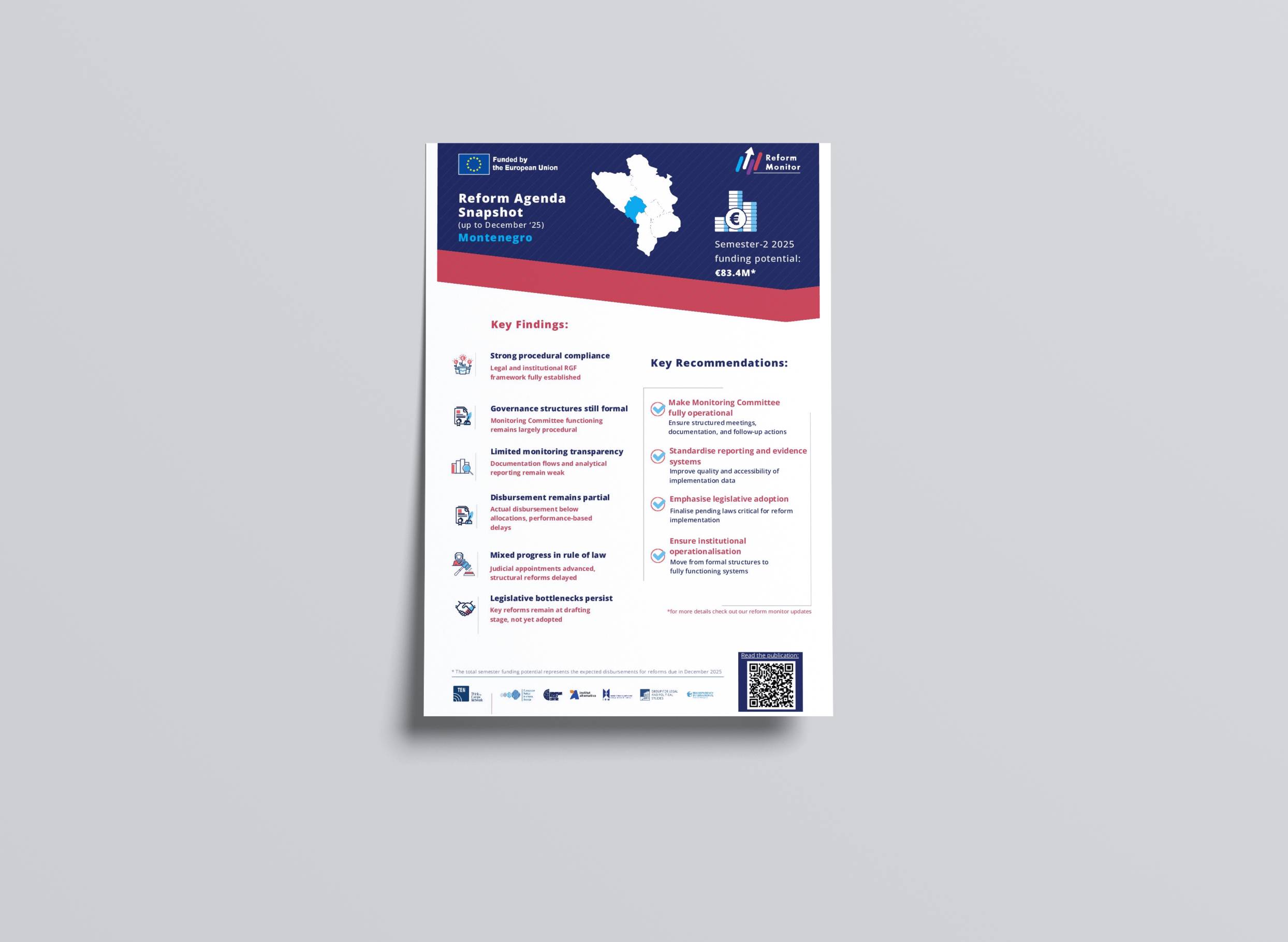
Reform Agenda Snapshot (up to December ‘25) – Montenegro

Key findings and recommendations from our Reform Monitor update for Montenegro, up to December 2025.

Snapshot-Montenegro

Download

Crna Gora: Pregled ispunjenosti reformske agende – Monitor reformi – drugo polugodište 2025

Ova publikacija je dio niza izvještaja „Pregled ispunjenosti Reformske agende“, odnosno nacionalnih izvještaja o monitoringu koji prate sprovođenje reformskih agendi unutar Instrumenta za reforme i rast za Zapadni Balkan, u okviru projekta „Monitor reformi“.

„Pregled ispunjenosti Reformske agende“ fokusira se na napredak u sprovođenju obaveza specifičnih za svaku državu u okviru Instrumenta za reforme i rast. Monitoring se sprovodi putem skupa proceduralnih indikatora, indikatora vezanih za sprovođenje reformi i finansijskih indikatora. Proces praćenja, odnosno monitoringa je suštinski usmjeren na reformske korake sa definisanim rokovima, pri čemu se njihov status sprovođenja procjenjuje na osnovu javno dostupnih podataka i zvanične dokumentacije pribavljene od strane nacionalnih organa, a gdje je relevantno, dopunjene informacijama nezavisnih institucija i organizacija civilnog društva. Posebna pažnja posvećuje se učešću zainteresovanih strana i transparentnosti.

Monitoring obuhvata odabrane reforme organizovane u takozvane „sektore politike“, koji su formirani kodiranjem pod-oblasti usklađenih oblasti politike u okviru reformskih agendi. Odabrani sektori politike, koji omogućavaju analize na regionalnom nivou, uspostavljanje polaznih tačaka i uporedivost, zasnivaju se na raspoloživim ljudskim resursima i tematskoj ekspertizi mreže TEN.

Detalji o metodologiji i procesu odabira reformskih koraka dostupni su u nacrtu metodološke napomene na sljedećem linku.

Pregled ispunjenosti Reformske agende strukturiran je na sljedeći način: ključni nalazi i preporuke predstavljaju izvršni sažetak. Poglavlja Pravni i institucionalni okvir i Zahtjevi i isplata sredstava prate ukupni napredak u proceduralnim i finansijskim aspektima sprovođenja Reformske agende. Posljednje poglavlje, Reforme u fokusu: sektori politike Monitora reformi, donosi nezavisne nalaze praćenja odabranih reformi. Pojedinačni odjeljci u okviru ovog poglavlja sadržne narativni pregled napretka i izazova u sprovođenju Reformske agende za Crnu Goru.

Krajnji datum za prikupljanje podataka i procjenu za ovaj pregled ispunjenosti je 31.12.2025. Dalji razvoj politika može uticati na status trenutno nezavršenih reformi i biće obuhvaćen u narednim pregledima ispunjenosti.

Ovi pregledi ispunjenosti ne predstavljaju zamjenu za formalnu ulogu procjene Evropske komisije.

RA_Pilot-Reform-Monitor_2nd-Semester-2025_Crna-gora

Download

Montenegro – Reform Agenda Update – 2nd Semester 2025

This publication is part of the series “Reform Agenda Updates”, national monitoring reports that track the implementation of the Reform Agendas as part of the Reform and Growth Facility for the Western Balkans, within the Reform Monitor project.

The “Reform Agenda Updates” assessment focuses on the implementation progress of country-specific obligations under the RGF. Monitoring is conducted through a set of procedural, reform implementation, and financial indicators. The core of the monitoring exercise tracks reform steps with defined deadlines, assessing their implementation status based on publicly available evidence and official documentation obtained by national authorities, and, where relevant, complemented by information from independent institutions and civil society sources. Cross-cutting attention is given to stakeholder participation and transparency.

The monitoring exercise covers selected reforms organised into so-called “policy domains,” created by coding the sub-areas of the harmonised policy areas in the Reform Agendas. The selected policy domains, which enable regional-level analyses, benchmarking, and comparability, are supported by the available human resources and the thematic expertise of the TEN network.  

For methodological notes and the reform steps selection process, see the draft methodology note at the link

The Reform Agenda Update is structured as follows. The Key findings and recommendations provide a high-level summary. The Legal and Institutional Arrangements and Requests and Release of Funds sections monitor overall progress in the procedural and financial aspects of implementing the Reform Agenda. The last section, Reforms in Focus: Reform Monitor policy domains, provides independent monitoring findings on selected reforms. Here, each section provides a narrative snapshot of progress and obstacles in implementing Serbia’s Reform Agenda.

The cut-off date for data collection and assessment for this update is 31.12.2025. Further policy developments may shift the status of currently pending reforms and will be reflected in subsequent updates.

These monitoring updates are not a substitute for the European Commission’s formal assessment role.

RA_Update-Reform-Monitor_2nd-Semester-2025_Montenegro

Download

Sublimated Questions and Answers: Small Grant Facility “Re-form for Growth”

In accordance with the guidelines set forth in our Call for Proposals, the Reform Monitor Project has compiled and addressed all inquiries received regarding the Re-form for Growth: Small Grant Facility.

To ensure transparency and equal access to information for all prospective applicants, we have published a formal Sublimated Q&A Document.

QA-1


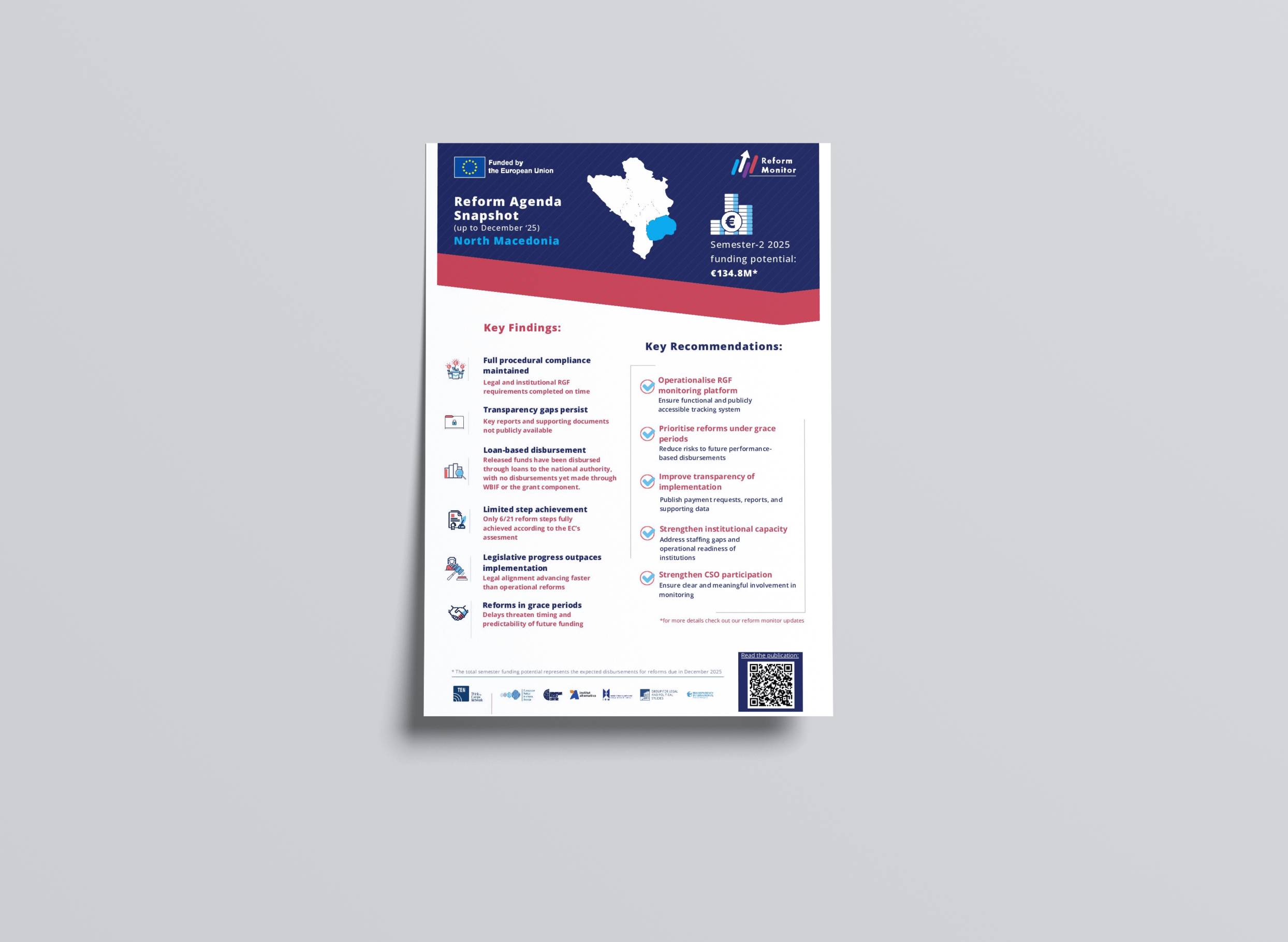
Reform Agenda Snapshot (up to December ‘25) – North Macedonia

Key findings and recommendations from our Reform Monitor update for North Macedonia, up to December 2025.

Snapshot-Macedonia

Download

Северна Македонија – Извештај за спроведувањето на реформската агенда – второ полугодие 2025

Оваа публикација е дел од серијата „Извештаи за спроведувањето на Реформската агенда“ – национални извештаи кои ја следат имплементацијата на реформските агенди како дел од Инструментот за реформи и раст (ИРР) за Западен Балкан, во рамките на проектот „Следење на реформите“.

Оценката на „Извештајот за спроведување на реформската агенда“ се фокусира на напредокот на земјата во спроведувањето на нејзините обврски од ИРР. Следењето се спроведува преку збир на процедурални, реформски и финансиски индикатори. Оваа активност ги следи реформските чекори со утврдени рокови, при што се оценува нивниот степен на исполнување врз основа на јавно достапни докази и официјална документација обезбедена од националните власти, а по потреба надополнета со информации од независни институции и од граѓанското општество. Хоризонтално внимание се посветува на учеството на засегнатите страни и на транспарентноста.

Следењето опфаќа реформи организирани во т.н. „домени на политики“, формирани преку кодирање на подрачјата во рамките на усогласените области на политики во Реформските агенди. Избраните политички домени, кои овозможуваат анализи на регионално ниво, вредносно оценување и меѓусебна споредливост, се потпираат на човечките ресурси и тематската експертиза на мрежата TEN.

За методолошките белешки и процесот на селекција на реформските чекори видете ja нацрт-методолошката белешкa на следниот линк.

Извештајот за спроведувањето на Реформската агенда е структуриран на следниов начин: „Клучните наоди и препораки“ нудат сумиран преглед на главните заклучоци, додека поглавјата „Правни и институционални аранжмани“ и „Барања и одобрување на средства“ го следат вкупниот напредок во процедуралните и финансиските аспекти на спроведувањето. Последниот дел, „Реформи во фокус: домени на политики во рамките на следењето на реформите“, ги презентира независните наоди од следењето на избраните реформи. Во секој од овие делови е содржан наративен преглед на напредокот и на предизвиците при имплементацијата на Реформската агенда.

Пресечниот рок за прибирање и проценка на податоците за овој извештај е 31.12.2025 година. Понатамошниот развој на политиките може да го смени статусот на реформите што во моментов се во тек и тоа ќе биде дел од следните извештаи.

Извештаите од следењето не претставуваат замена за формалната оценка од страна на Европската комисија.

RA_Update-Reform-Monitor_2nd-Semester-2025_North-Macedonia_mk