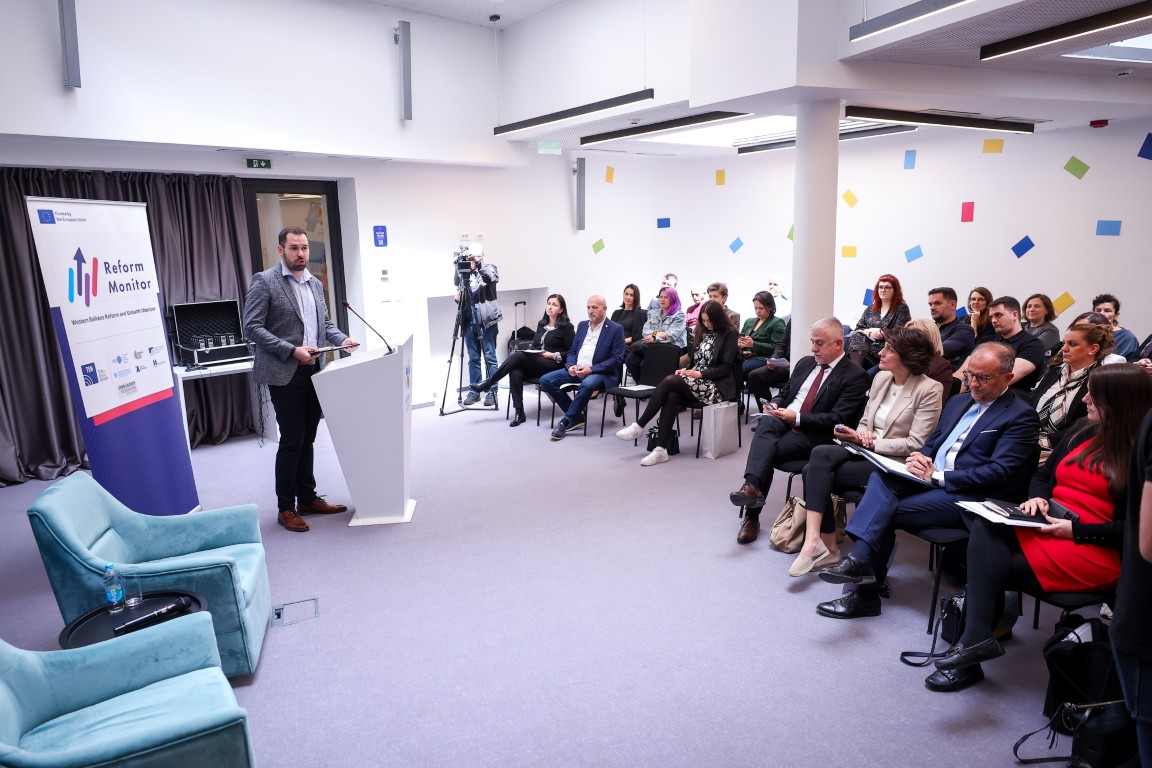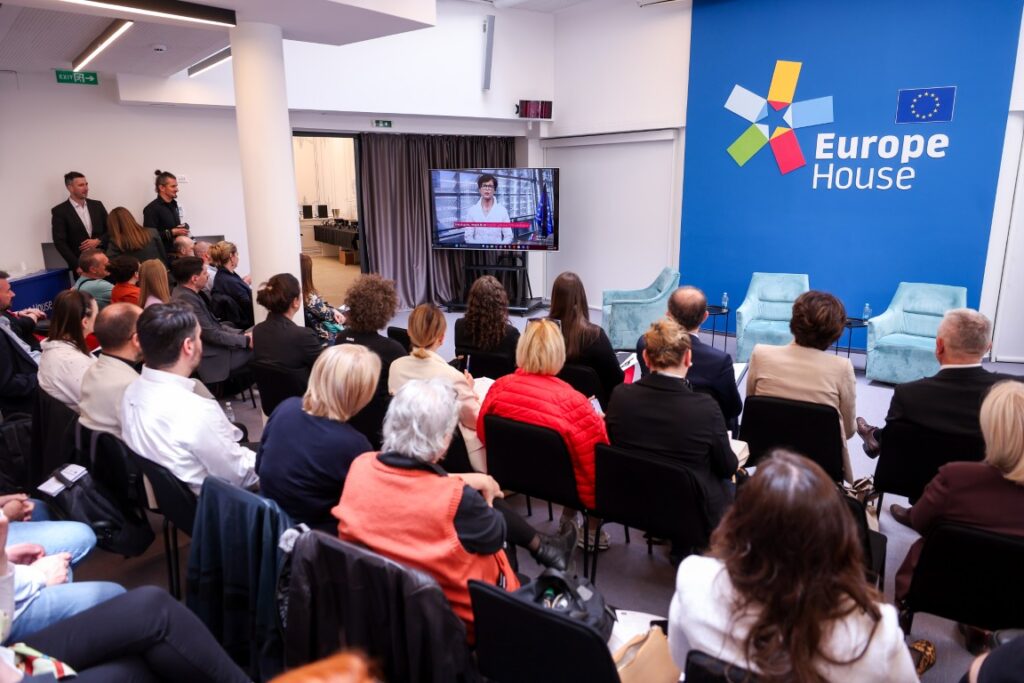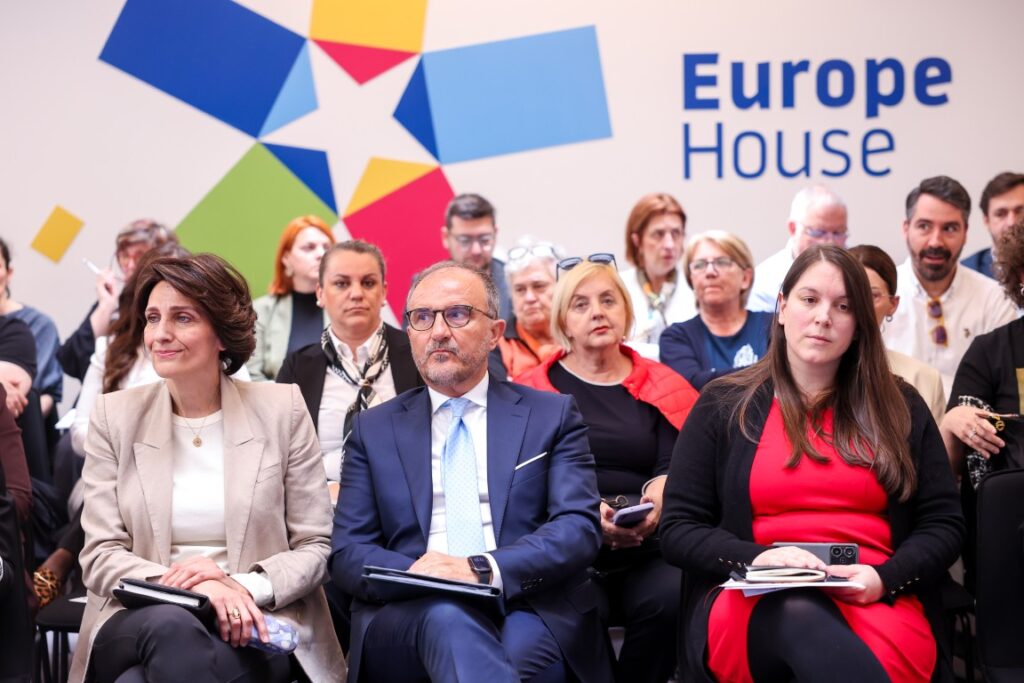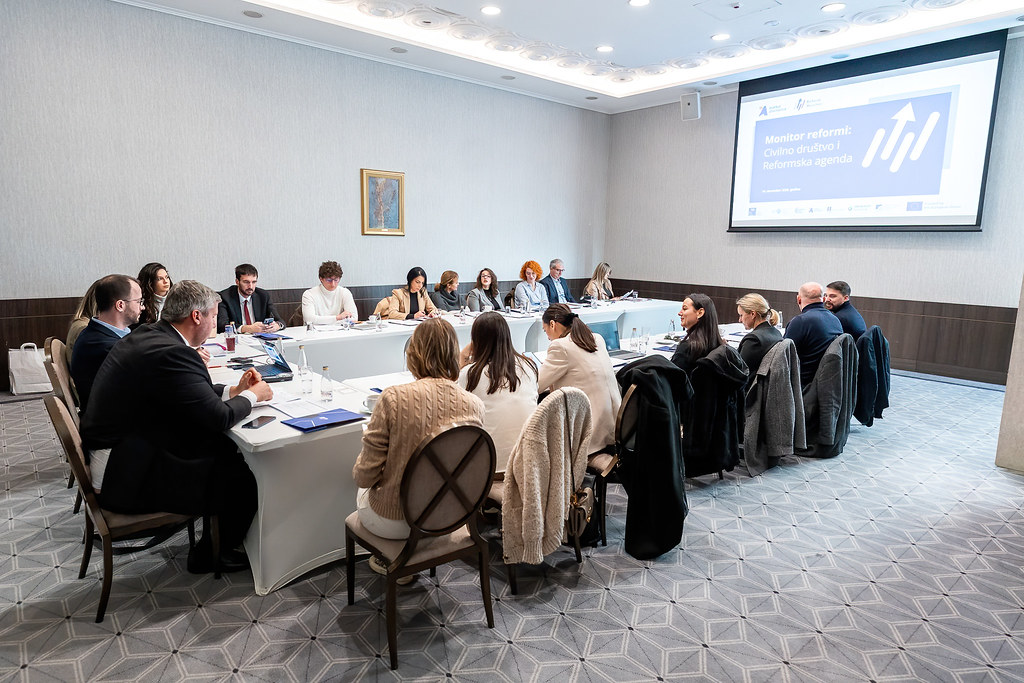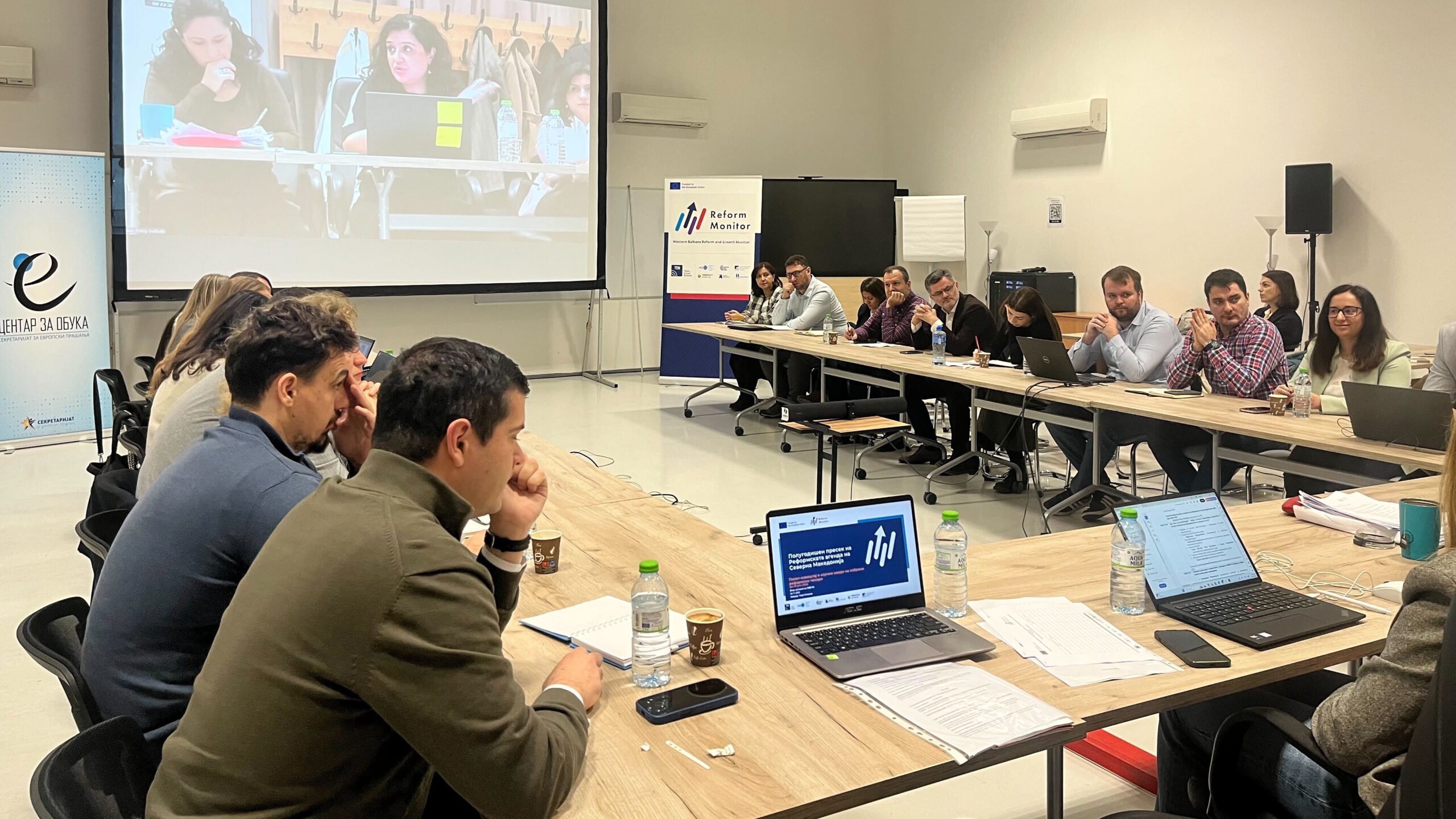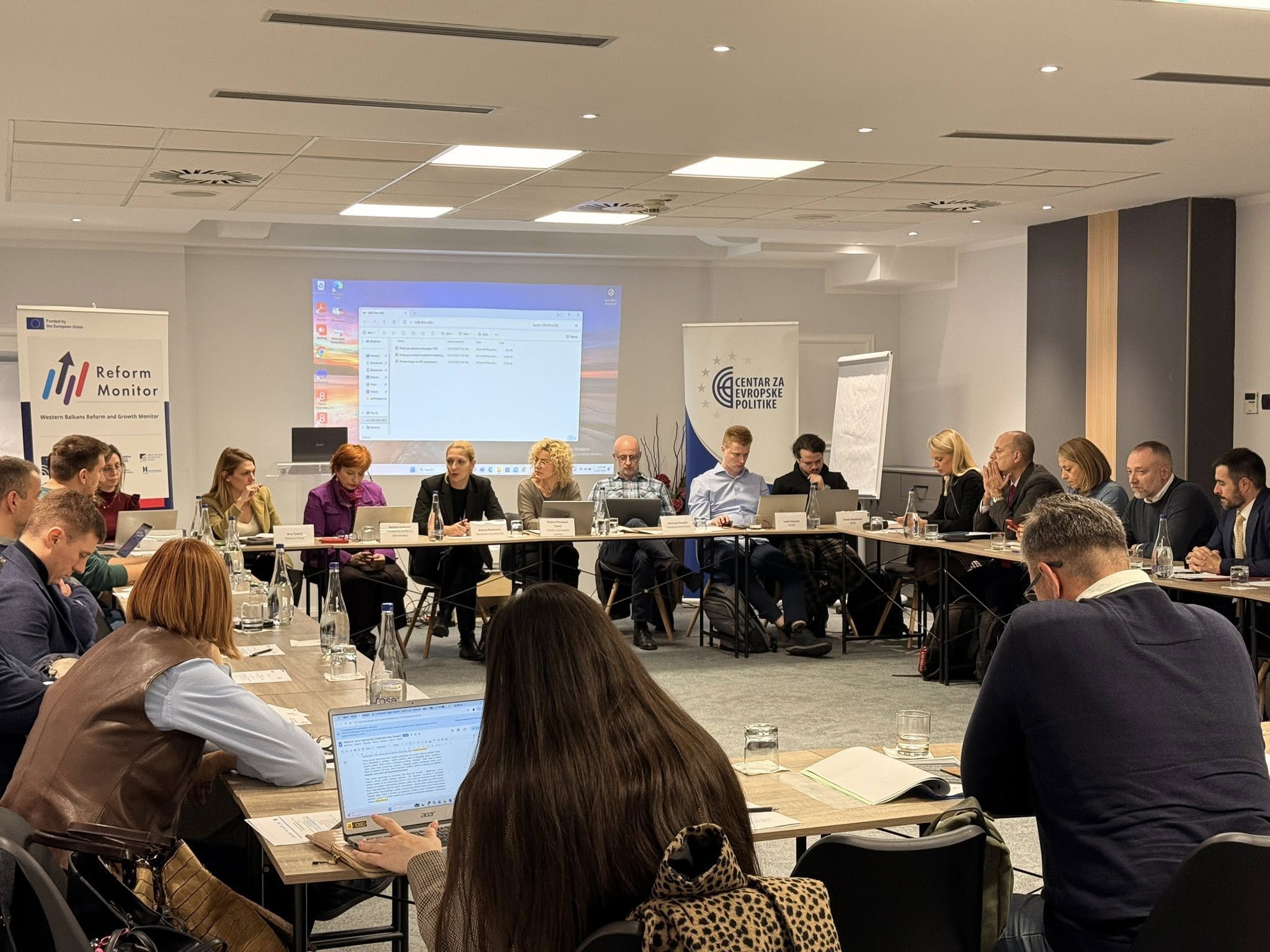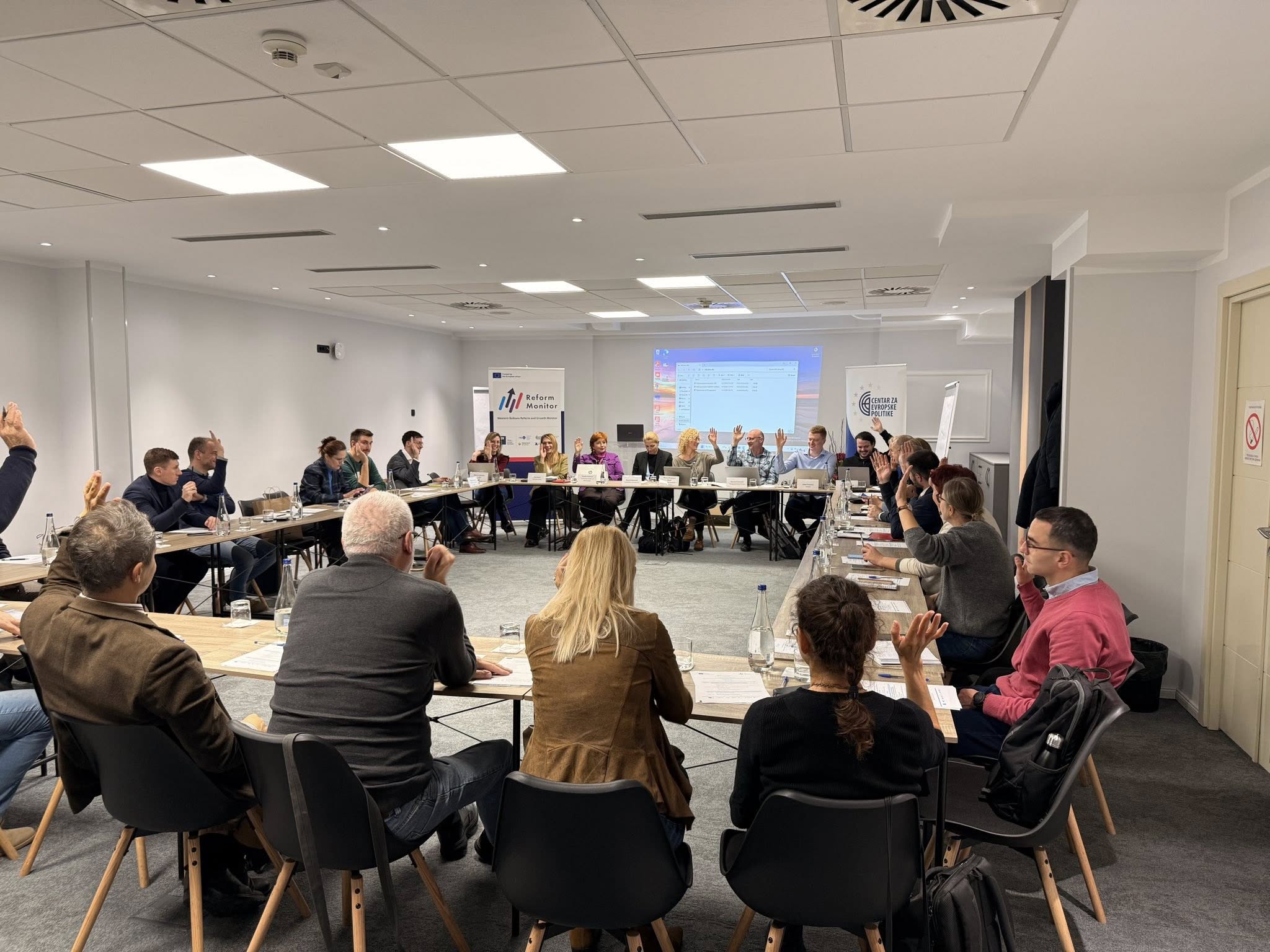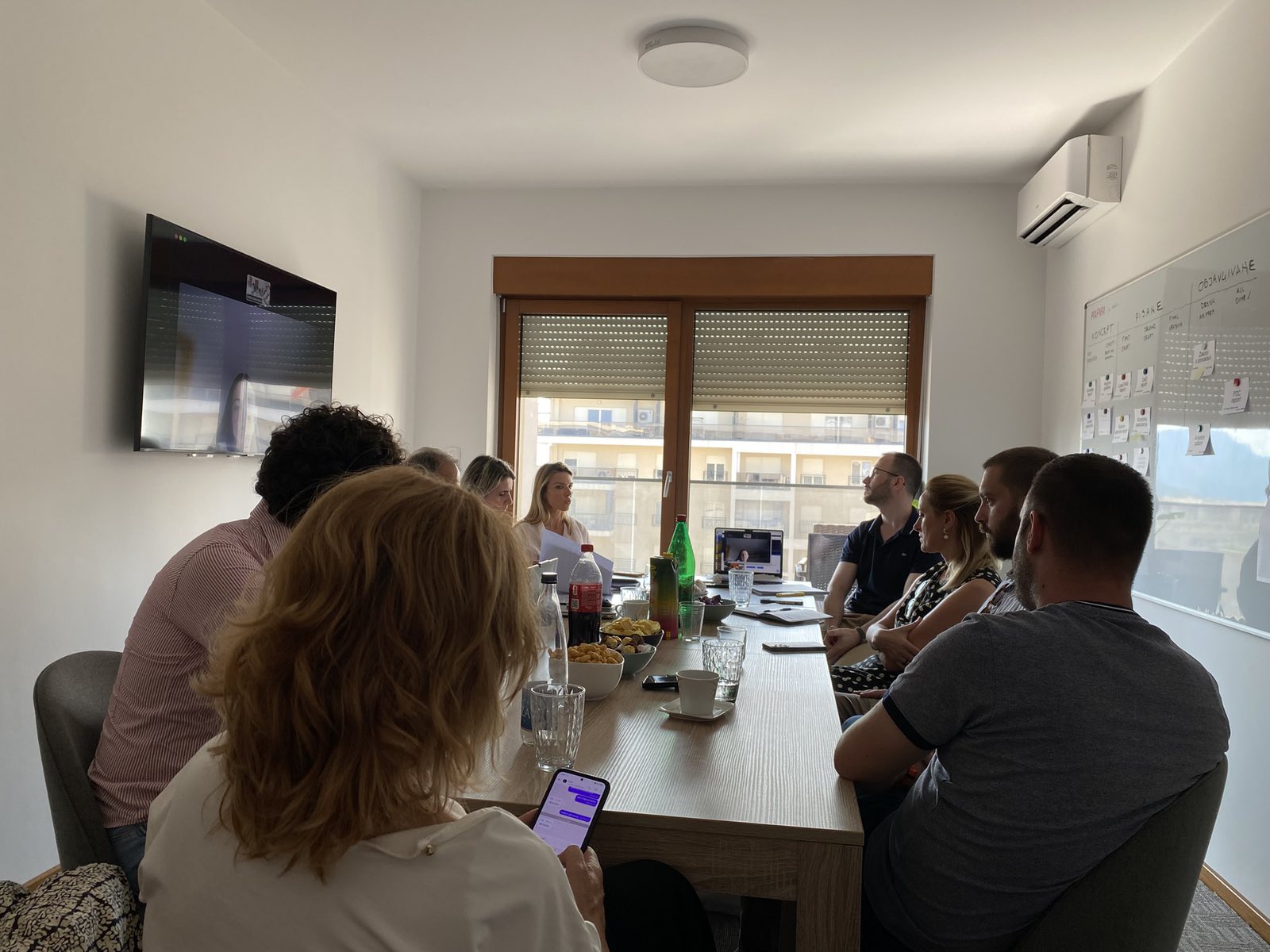
Third N-CoMER Meeting in Montenegro Focuses on Reform Agenda Implementation and Growth Plan Priorities

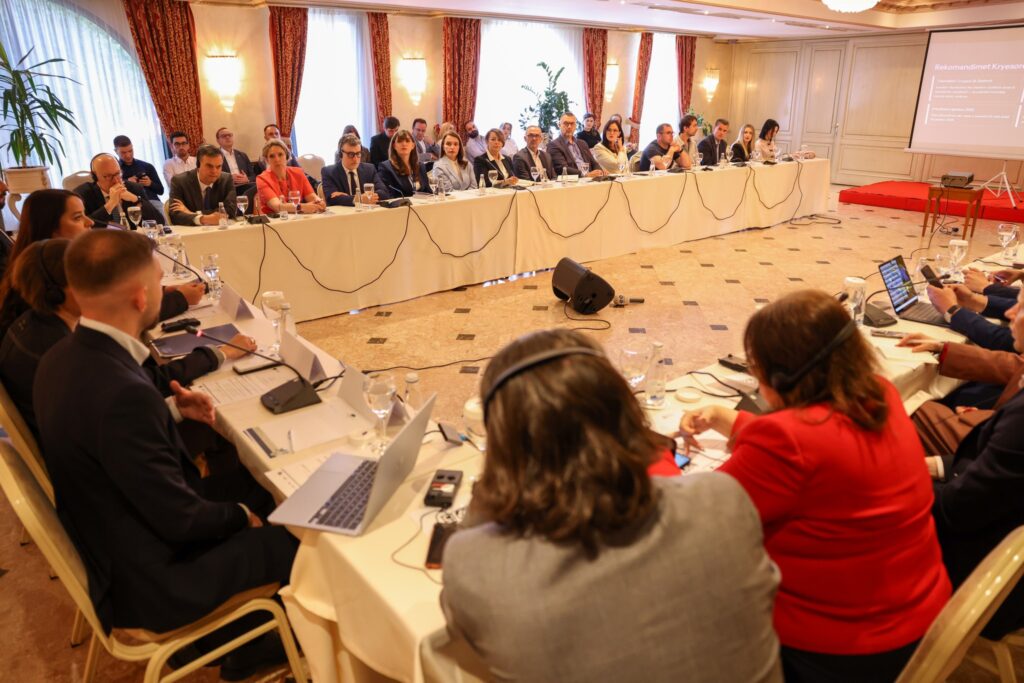
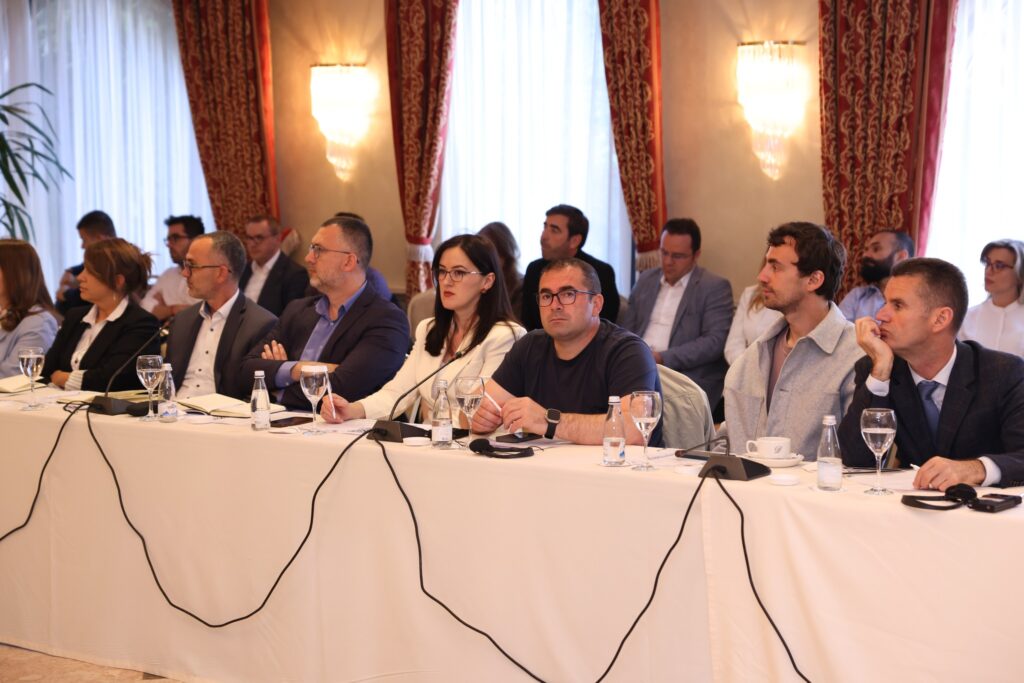
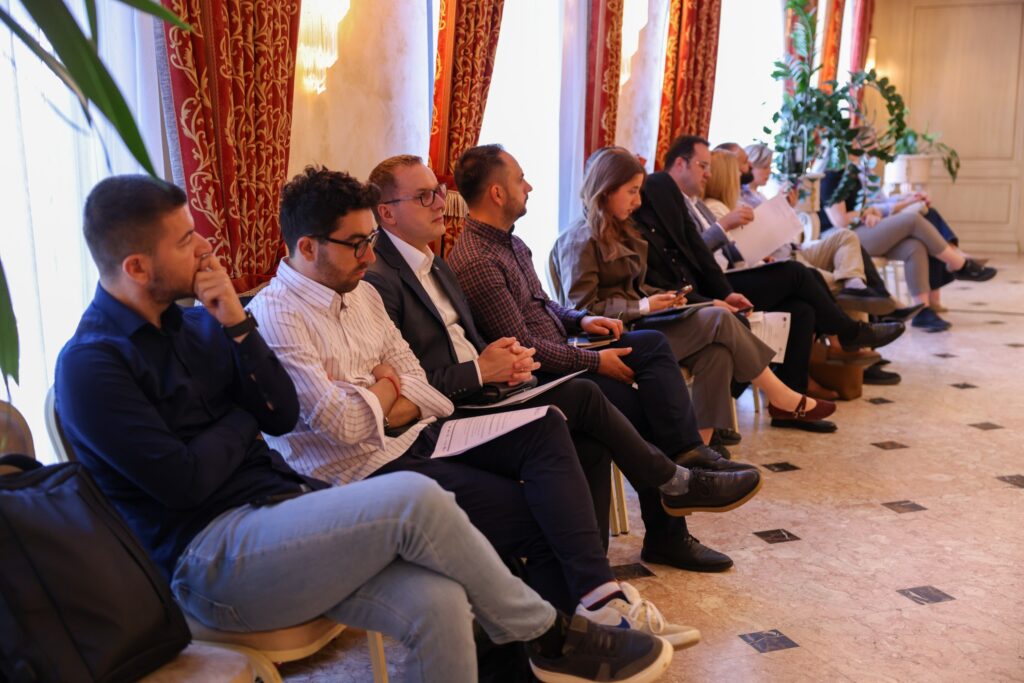
The National Consultation Mechanism for the Reform Agenda (N-CoMER) held its third meeting in Montenegro on Friday, July 17. The session brought together representatives from civil society organizations and the Delegation of the European Union to Montenegro to review progress on the Reform Agenda, discuss methodologies for assessing results, and outline key upcoming steps in the process.

A central focus of the discussion was the need for progress reports on reform obligations to be grounded in precise and realistic evaluations. Participants pointed out that official reporting can occasionally depict progress more optimistically than actual on-the-ground reality warrants. The meeting also covered the status of funds tied to specific steps that were due before the expiration of the grace period in June, exploring whether those funds could still be approved.

The methodology for evaluating reform steps formed another key topic, specifically the distinction between qualitative and quantitative indicators:

  • Quantitative indicators: Participants noted that quantitative targets allow for clearer verification of achievement and offer room to apply partial fulfillment criteria where relevant.

  • Qualitative & legislative steps: In contrast, legislative and structural commitments are primarily evaluated on a binary basis—whether the specific step has been fully executed or not.

Looking ahead, the discussion turned to potential revisions of the Reform Agenda expected by the end of the year. These adjustments may introduce additional reform measures alongside reallocated funds freed up from other countries’ agreements. Representatives of the EU Delegation confirmed that new reform steps are already under consideration and being aligned with the Government of Montenegro. The underlying rationale for these new steps in Montenegro is to target areas where they can make the highest impact on the EU accession process and accelerate compliance with EU membership requirements.

Finally, participants highlighted the importance of establishing a more systematic framework for tracking results under the first two pillars of the Growth Plan:

  1. Integration with the EU single market

  2. Strengthening regional economic integration within the Western Balkans through the Common Regional Market

Given their potential to boost economic growth, participants emphasized the need for closer monitoring of regional obligations that depend on multi-country cooperation, as well as clearer public communication on the progress of infrastructure projects supported or financed under the Growth Plan.

The meeting took place within the framework of the “WB Reform and Growth Monitor” project, implemented by a regional consortium of civil society organizations: Institute Alternativa (Montenegro), European Policy Institute (North Macedonia), Centre for European Policy (Serbia), Transparency International (Bosnia and Herzegovina), Group for Legal and Political Studies (Kosovo), and Institute for Democracy and Mediation (Albania). The project is supported by the European Commission, and co-financed in Montenegro by the Government of Montenegro through the Ministry of Regional-Investment Development and Cooperation with Non-Governmental Organizations. 

Препораки од третиот состанок на Националниот консултативен механизам за реформската агенда (НКМ-РА)

Препораките произлегуваат од паралелните дискусии во рамките на Третиот состанок на НКМ-РА кој се одржа на 14.05.2026 г. во хибриден формат, со учесници присутни во Клубот на пратеници во Скопје и онлајн. Овој состанок претставува клучна точка за евалуација на досегашните реформски чекори и координација помеѓу државните институции и граѓанското општество, а е во организација на Институтот за европска политика (ЕПИ) – Скопје и Министерството за европски прашања (МЕП). Состанокот е активност која е дел од регионалниот проект „Следење реформи и раст во Западен Балкан“ (WB Reform and Growth Monitor), што го спроведува ЕПИ во партнерство со членките на мрежата „Мисли за Европа“ (Think for Europe Network – TEN) и Транспаренси Интернешнл Босна и Херцеговина. Проектот е финансиран од Европската унија и кофинансиран од Фондацијата Отворено Општество-Западен Балкан.


Final-recommendations-3rd-NKM-RA.docx

National Consultative Mechanism for the Reform Agenda in North Macedonia: A “Mid-Way” Progress Review

The European Policy Institute (EPI) – Skopje and the Ministry of European Affairs (MEA) held the third meeting of the National Consultative Mechanism for the Reform Agenda (NCM-RA) at the Members of Parliament Club. The meeting, titled “Reform Agenda 2024-2027 at the Mid-Way Point: Overview of Progress to Date,” served as a critical point for evaluating reform steps and enhancing coordination between state institutions and civil society.

The NCM-RA is a multi-sectoral mechanism established as a national platform for structured, transparent, and inclusive dialogue. It unites over 150 civil society organizations, academic representatives, and chambers of commerce. Its goal is to enable evidence-based monitoring of North Macedonia’s Reform Agenda—a central part of the European Union’s Reform and Growth Facility for the Western Balkans.

The event opened with remarks by Bekim Sali, Minister of European Affairs; Steffen Hudolin, Head of Cooperation at the EU Delegation to North Macedonia; Silvana Mojsovska, Professor at the Institute of Economics; and Simonida Kacarska, Director of EPI.

EPI’s monitoring indicates that the implementation of the Reform Agenda is uneven, with key reform areas facing implementation challenges. According to the EC’s last assessment in October, out of 21 reform steps with initial deadlines through December 2024 and June 2025, 6 have been fulfilled. To date, 50 reform steps have reached their deadlines (including 15 currently in a grace period) and another 29 are due by December 2025, for which the European Commission’s assessment is pending.

Progress is most visible in reforms involving legislation, particularly in the digital transition. However, reforms in the rule of law, judiciary, anti-corruption, organized crime, energy efficiency, and the business environment still require stronger institutional coordination and greater operational readiness. To successfully meet reforms in grace periods and reduce risks for future payments, stronger coordination and the substantive inclusion of civil society via the Monitoring Committee are essential.

Minister Bekim Sali emphasized that European integration for North Macedonia represents a concrete transformation based on measurable reforms. He noted that the country was the first in the region to finalize its Reform Agenda and meet pre-financing conditions, demonstrating strong institutional capacity. Sali stressed that the focus must now shift to the actual effect of reforms on public services and daily life, rather than just adopted documents.

Steffen Hudolin (EU Delegation) welcomed the continuity of the mechanism at this “mid-way” point. He underlined that the Reform Agenda is not just a financing mechanism but a structural path toward EU membership. While noting an encouraging upward trend, Hudolin warned that delays now come with a cost and could lead to the loss of funds, especially for the 10 steps approaching the end of their grace period on June 30, 2026. He called on civil society to move beyond being “observers” and act as active contributors.

Following the public session, the meeting continued with three parallel working groups:

  1. Energy Transition and Digital Transformation (Decarbonization and EU digital market alignment).

  2. Private Sector Development and Business Environment (Economic potential and human capital).

  3. Fundamental Values / Rule of Law and Good Governance (Judiciary reforms and anti-corruption).

This activity is part of the regional project “Western Balkans Reform and Growth Monitor,” implemented by EPI in partnership with the Think for Europe Network (TEN) and Transparency International Bosnia and Herzegovina. The project is funded by the European Union and co-funded by the Open Society Foundations-Western Balkans.

Roundtable and N-CoMRA meeting in Kosovo: “Kosovo’s Reform Agenda: What’s Next?”

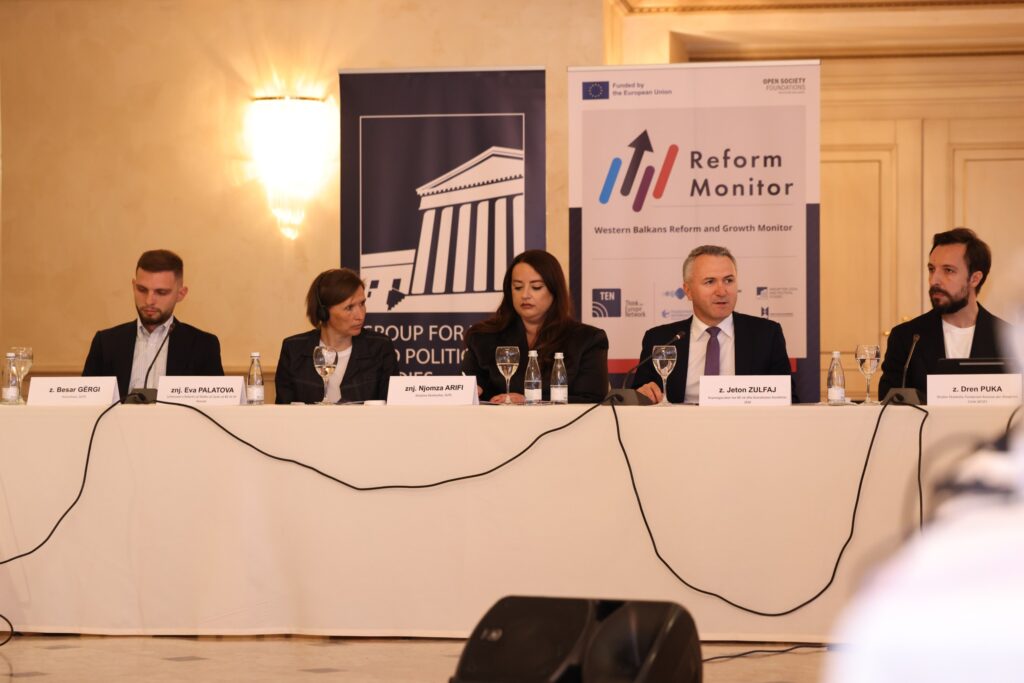
The Group for Legal and Political Studies (GLPS) organised the Roundtable Discussion on the topic: “Kosovo Reform Agenda: What’s Next?” With a panel composed of the Chief Negotiator and National Coordinator for the Reform Agenda Mr. Jeton Zulfaj, the Acting EU Ambassador Ms. Eva Palatova, and the Executive Director of KCSF Mr. Dren Puka, as well as with the presence of the EU Office, embassies and civil society organisations, and discussed the Reform Agenda and the institutional steps.

Initially, in the introductory speech, the Executive Director of GLPS Ms. Njomza Arifi gave a chronology of events from the conception of the Growth Plan as an idea to the drafting of the Reform Agenda and the ratification of the sentiments in the Assembly. Further, researcher Besar Gërgi presented the report on the monitoring of clarifications at the end of the third semester (December 31, 2025) Kosovo lost many opportunities due to political blockades.

Chief Negotiator Jeton Zulfaj expressed his willingness to implement executive reform measures that do not depend on the Assembly for which some of the steps will be ahead of the June deadline. Ambassador Palatova declared for a co-existence of society and political forces in the function of the structures of a moment for EU integration and made her choice for compromise between political parties. Dren Puka from KCSF added that the involvement of civil society is in this process for effective people.

GLPS would like to reiterate that many of the reform measures have stalled as a result of the responses of the political actors’ willingness to compromise and as a long-standing response to the loss of materials. In case of disagreements on the reforms of June 2025, the grace period of submission on June 30, 2026, the country risks losing 68.8 million euros. Therefore, GLPS once again calls for a serious treatment of the European integration and the Growth plan of political actors and asks for the strategic interests of the country.

Without reforms, BiH loses one billion marks from the Growth Plan by the end of the year, Marta Kos: There will be no extension of this deadline

Bosnia and Herzegovina faces the risk of permanently losing 373.9 of the total 976.6 million euros available to it through the Growth Plan for the Western Balkans if it does not implement reforms in the areas of strengthening the , judicial integrity, preventing conflicts of interest, and protecting whistleblowers by the end of the year, as it committed to under the Reform Agenda.

While warnings from the EU indicate that deadlines will no longer be extended, BiH has already been sanctioned with a 10% reduction in available funds due to delays, meaning that 108 million euros will be invested elsewhere instead of in development and infrastructure projects in BiH, and further procrastination means not only the loss of nearly one billion marks, but also further erosion of credibility on the European path.

Just last week, I sent a letter to the authorities, warning that Bosnia and Herzegovina risks losing hundreds of millions of euros if the necessary reforms are not implemented by December 2026. years” emphasized Marta Kos, European Commissioner for Enlargement, in a  at the opening of the First Consultative Forum on the Implementation of the Reform Agenda in BiH (CONFRA BiH), organized today in Sarajevo by  International in Bosnia and Herzegovina (TI BiH).

She added that there will be no extension of this deadline, warning that “almost 50 percent of the funds (977 million convertible marks) could be lost” and reminded that countries in the region have launched necessary reforms in governance, public administration, the private sector, energy, human capital, and the rule of law, after which the promised funds followed.

Unlike them, Bosnia and Herzegovina, where public focus has been too long on the amount of available funds rather than on the obligations that must be fulfilled, has still not signed and ratified the agreement on accession to the Reform and Growth Instrument and the loan agreement, which are prerequisites for using the 976.6 million euros.

However, inaction also carries its own cost. Namely, in the absence of reforms, Bosnia and Herzegovina risks losing 373 million euros from the funds allocated under the Growth Plan, in addition to the 108 million euros it lost last year.

“The reforms in the Reform Agenda are the blueprint for an economic transformation in this country – one that will help it to use its considerable economic potential. This country has an educated population, a proud industrial tradition and is geographically located in the heart of Europe close to the European Single Market.” stated Luigi Soreca, Head of the EU Delegation to Bosnia and Herzegovina, adding that these advantages are not being utilized sufficiently.

The education system needs urgent reform. Much of BiH’s industry relies on ageing technology, and needs to be modernised, including to take advantage of the clean energy revolution. BiH may be geographically close to the European Single Market, but barriers still exist to accessing it. The reforms in the Reform Agenda help bring these barriers down and move this country closer to receiving the benefits of EU membership. There is however also a cost to inaction – in the absence of reforms, regrettably, Bosnia and Herzegovina is at risk of losing EUR 373 million from its allocation under the Growth Plan, in addition to the EUR 108 million it lost last year” Soreca added.

Forum participants emphasized that the aforementioned funds from the Growth Plan are not a reward for declarative commitment to the European path, but support for countries that demonstrate , capacity, and responsibility to implement reforms. Therefore, BiH must appoint a national coordinator, establish a secretariat, a monitoring committee, and contact points for each reform step, so that it is clear who is responsible for implementation, monitoring, and reporting.

In addition, it was emphasized, the implementation process must be more open to the public, which means that the authorities must publish the Reform Agenda in the official languages of BiH together with a list of infrastructure projects to be financed from the Growth Plan, so that citizens know what the state has promised and where it plans to direct the available funds.

The Growth Plan is a test of institutional responsibility, not just a financial opportunity. If the authorities in BiH are not prepared to implement the reforms they themselves undertook, then the problem is not only in the lost funds, but in the message that political representatives are sending to the EU and citizens. The attitude toward the Growth Plan today shows the real attitude toward BiH’s European path “, stated Ivana Korajlić, Executive Director of TI BiH.

TI BiH warns that when establishing the institutional framework, lessons learned from a decade of a dysfunctional coordination mechanism must be utilized. Through the new system, it is necessary to define clear responsibilities, deadlines, and mechanisms for overcoming blockages, so that the implementation of the Reform Agenda does not turn into another captured process.

and other relevant actors need to be included in the work of the monitoring committee through a transparent process and clear criteria, based on expertise, experience, and proven results. Only in this way can the monitoring and reporting process be of higher quality, more open, and focused on real results.

Continued delays and political blockages do not only mean the loss of available funds. They directly harm BiH’s credibility before the European Union and member states, and reduce the chances that the country will make a serious step forward toward opening negotiations in the near future. Therefore, TI BiH calls on the authorities to open the implementation process of the Reform Agenda to civil society and to use CONFRA BiH as a space for regular dialogue, monitoring progress, and addressing obstacles in fulfilling undertaken obligations.

Montenegro: Space for Civil Society in Monitoring the Reform Agenda

The second meeting of civil society on the implementation of the Reform Agenda 2024–2027 and the Growth Plan for the Western Balkans was held, with assessments that better coordination in reporting is needed, as well as more significant involvement of civil society in verifying the fulfilment of reform steps.

During the meeting, the content of the three most recent semi-annual reports on the implementation of the Reform Agenda was reviewed. Participants pointed out that, although certain information on the implementation of reform steps exists, access to all evidence supporting the Government’s claims is lacking. It was emphasized that data availability is limited, particularly when it comes to documentation that would enable independent verification of the claims presented in the report.

It was concluded that, before the formal submission of reports, higher-quality interinstitutional coordination should be ensured, in order to avoid differences in the understanding of reform fulfilment between the European Commission and the Government of Montenegro. Participants assessed that institutional capacities in this area are still developing, and that a “learning by doing” approach is evident. The need was emphasized for future reports to be less descriptive and more analytical, so that reporting does not represent mere administrative compliance, but becomes a useful analytical tool for monitoring and improving reforms.

During the meeting, it was clarified how the European Commission verifies the Government’s claims regarding the fulfilment of specific steps. It was highlighted that there is no formally defined mechanism for the participation of civil society organizations in the process of verifying the evidence submitted by the Government to support the fulfilment of steps from the Reform Agenda. Nevertheless, there is a recognized willingness and openness to include civil society, particularly when it possesses relevant knowledge about the implementation of specific reform steps.

The meeting is a continuation of our initiative to involve civil society in monitoring the implementation of the Reform Agenda, which we launched with a meeting held last December.

CSOs and Institutions discussed the Reform Agenda and the Growth Plan in Montenegro

The Institute Alternative organised a meeting on Wednesday, 10 December, dedicated to the implementation of the Reform Agenda 2024–2027 and the Growth Plan for the Western Balkans. The meeting brought together representatives of key institutions responsible for implementing reform measures, as well as representatives of civil society.

Participants included representatives of civil society and institutions coordinating the implementation of the Reform Agenda. The aim of the meeting was to present priorities and challenges in implementing reform steps and to consider ways in which reform processes can most effectively respond to the needs of citizens and the economy. Participants also discussed mechanisms for monitoring the implementation of the Reform Agenda, as well as the dynamics of withdrawing funds available through the Growth Plan for Montenegro. To date, Montenegro has prepared two semi-annual reports on the implementation of a total of 25 reform steps, of which the European Commission has confirmed the implementation of 12. It was noted at the meeting that preparation of the third report is underway, covering 32 new reform steps planned for implementation by December 2025, which will be reported to the European Commission by mid-January.

Žana Jovanović, Head of the Directorate for the Management Structure at the Ministry of Finance, explained details related to financial management, the funds received through the fulfillment of reform steps, and the way in which the Ministry of Finance prepares payment requests. The discussion also covered the preparation of the budget for the following year and the manner in which funds needed for implementing reform steps are planned within the individual financial plans of budget users.

Bojan Vujović, Director General of the Directorate for Coordination of EU Financial Support at the Ministry of European Affairs, answered questions related to challenges in coordinating the implementation of the Reform Agenda, cooperation with representatives of the European Commission, and the way in which the understanding of certain reform steps and activities changes during the course of implementation. The practice of regular meetings between representatives of the European Commission and the Government regarding the alignment of understanding of the current status of reform steps and the determination of their implementation status was also mentioned.

Marko Sošić, Public Policy Researcher at the Institute Alternative, presented findings and observations regarding specific reform measures as part of research conducted with regional partners, with a particular focus on areas where progress has been slower or where additional clarification is needed.

During the meeting, several proposals for further work were formulated. With regard to the need to strengthen transparency, it was requested that the payment requests prepared by the Ministry of Finance on the basis of materials for the semi-annual report be published, as well as the publication of the communication plan for the Reform Agenda that has already been prepared by the Ministry of European Affairs. It is also necessary to consider expanding the Supervisory Committee for the Reform Agenda to include interested representatives of civil society, beyond the already appointed permanent members. With regard to financial transparency, it was recommended to consider opening separate budgetary programs for financing the implementation of reform steps, in order to enable easier monitoring of the planning and spending of funds for this purpose. Particular emphasis was placed on the need to strengthen transparency in the component related to infrastructure projects – the way projects are selected, prepared for application, submitted to the WBIF, and how their status and financing are monitored.

The meeting represents a step toward better information sharing and greater openness toward citizens and civil society regarding the implementation of the Reform Agenda and the Growth Plan, with the aim of ensuring that reform processes deliver concrete and measurable benefits to the citizens and economy of Montenegro.

Reformska agenda i civilno društvo - Prvi sastanak

North Macedonia: National Consultation Mechanism Discusses Updates in Implementing the Reform Agenda 2024–2027

The European Policy Institute (EPI) – Skopje, in cooperation with the Ministry of European Affairs, held the second meeting of the National Consultation Mechanism for the Reform Agenda (N-CoMER) as part of the regional EU-funded project Western Balkans Reform and Growth Monitor. The meeting, organised at the premises of the Ministry, brought together representatives of national institutions (members of RA working group), civil society organisations, the private sector, and independent experts to review progress, identify obstacles, and discuss the next steps in implementing the Reform Agenda 2024–2027


Institutional Priorities, Progress and Key Challenges

The Ministry of European Affairs presented the current status of the third reporting period, highlighting that while the overall pace of implementation aligns with regional trends, institutions face tight deadlines, methodological differences in assessing qualitative indicators, and persistent coordination challenges. The Ministry underlined the need for timely reporting and stronger cooperation with civil society.

EPI shared findings from its pilot monitoring of reform delivery (December 2024 – June 2025), noting delays in publishing key documents, gaps in inter-institutional coordination, and capacity shortages in several institutions. The analysis also showed significant variations between policy areas, with energy, digitalisation, and rule of law facing the greatest bottlenecks.

The Ministry of Digital Transformation emphasised the complexity of aligning national legislation with EU requirements in cybersecurity and digital services, pointing to limited staffing and financial constraints as major barriers.

The Ministry of Energy reported substantial delays in market coupling procedures and transposition of EU regulations due to their technical nature and lengthy approval processes. Work continues on energy poverty measurement, decarbonisation plans, and the introduction of new digital services for vulnerable consumers.

The Ministry of Education outlined ongoing efforts to improve school digital infrastructure and expand dual education programmes, while the Ministry of Justice highlighted the critical need for strengthened human resources and long-term planning in the judiciary, as well as the impact of electoral cycles on legislative timelines.


Civil Society Insights

Representatives from civil society organisations stressed low public awareness of the Reform Agenda, challenges in accessing transparent data, and the need for improved quality of consultations. They also shared ongoing initiatives to strengthen public communication and parliamentary engagement regarding the reforms.

Conclusions and Way Forward

Participants agreed that administrative capacity remains the biggest obstacle to timely implementation. Strengthening inter-institutional coordination, improving transparency, and ensuring meaningful consultation were identified as priorities for the coming period.

The National Consultation Mechanism will continue to serve as a platform for structured dialogue, evidence-based monitoring, and joint problem-solving throughout the implementation of the Reform Agenda and the EU Growth Plan.

First Plenary Session of Serbia’s Intersectoral Working Group Under WB Reform and Growth Monitor Project Advances EU Reform Monitoring

Yesterday, the first plenary session of the Intersectoral Working Group for Monitoring the Implementation of the Reform Agenda of the Republic of Serbia was held, organised by the National Convention on the EU (NCEU) and the European Policy Centre (CEP) within the framework of the WB Reform and Growth Monitor project.

This platform was established to ensure the active participation of civil society in the implementation and monitoring of Serbia’s Reform Agenda, through tracking progress on reform steps, providing analytical support and external monitoring, as well as assessing their impact on European integration and informing the public about the results.

In its work, the IWG will cooperate closely with representatives of the European Union and state institutions to ensure effective oversight of the implementation of this important strategic document, which is linked to EU support amounting to EUR 1.6 billion by the end of 2027.

During yesterday’s session, the IWG adopted its Rules of Procedure, while subgroup coordinators presented their areas of work and upcoming plans. The discussion focused on the report from the first meeting of the Reform and Growth Facility (RGF) Monitoring Committee.

This platform represents an important step toward strengthening the contribution of civil society, academia, and the private sector to the reform implementation process in Serbia.