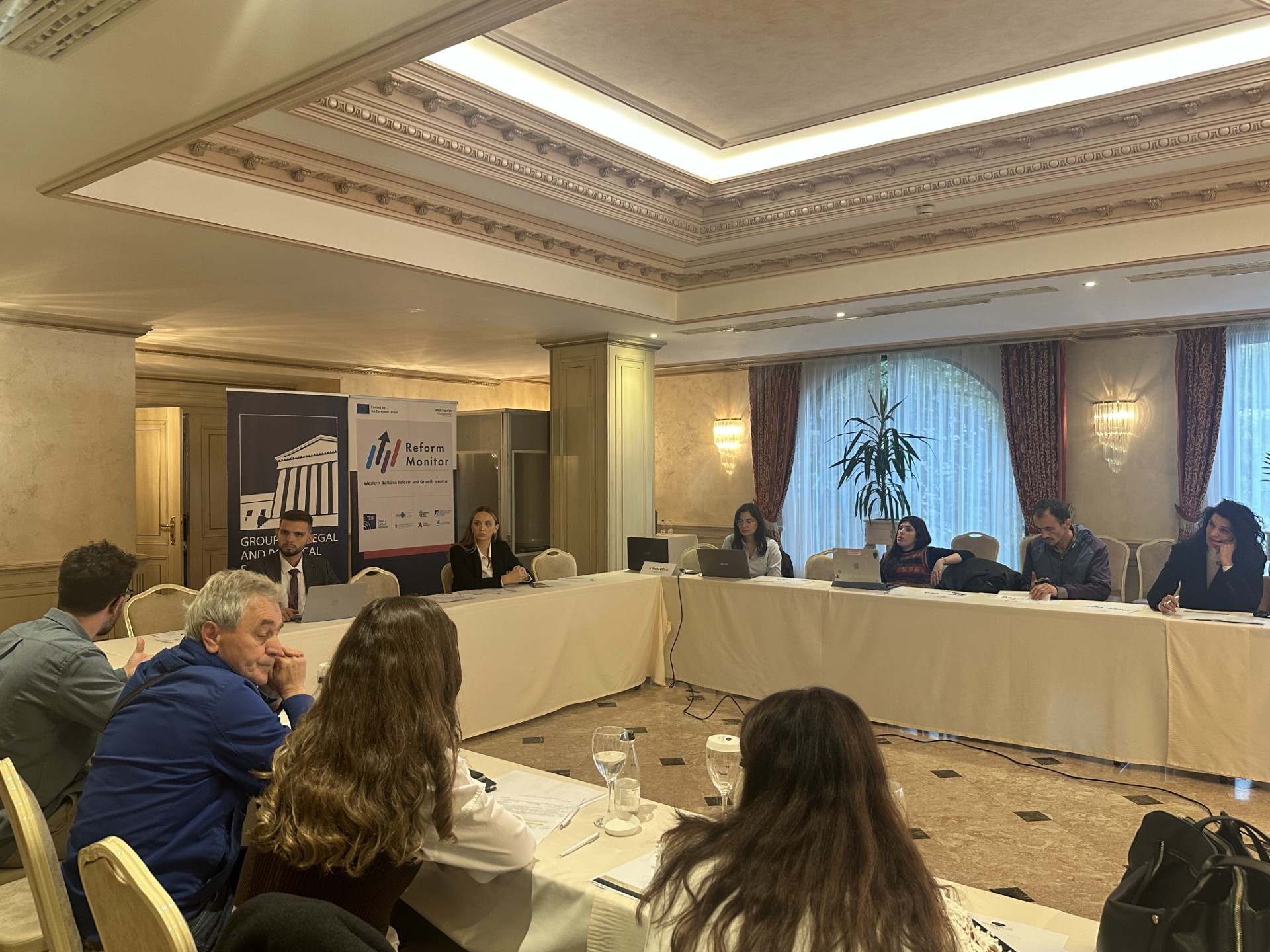
Kosovo hold new NCoMER meeting

Pristina, 26 October 2026

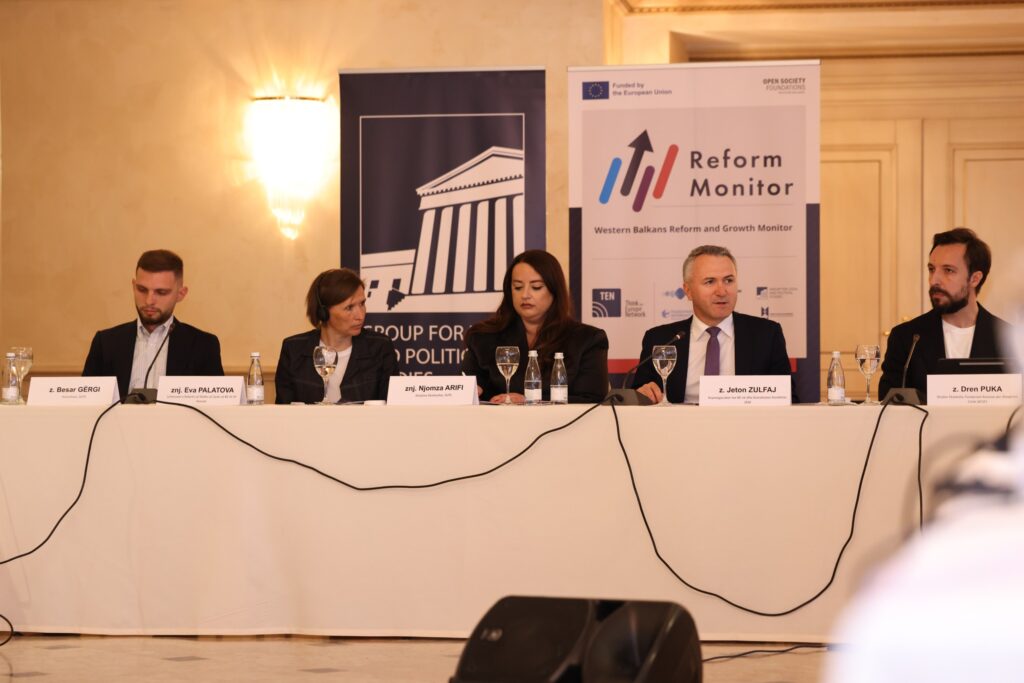
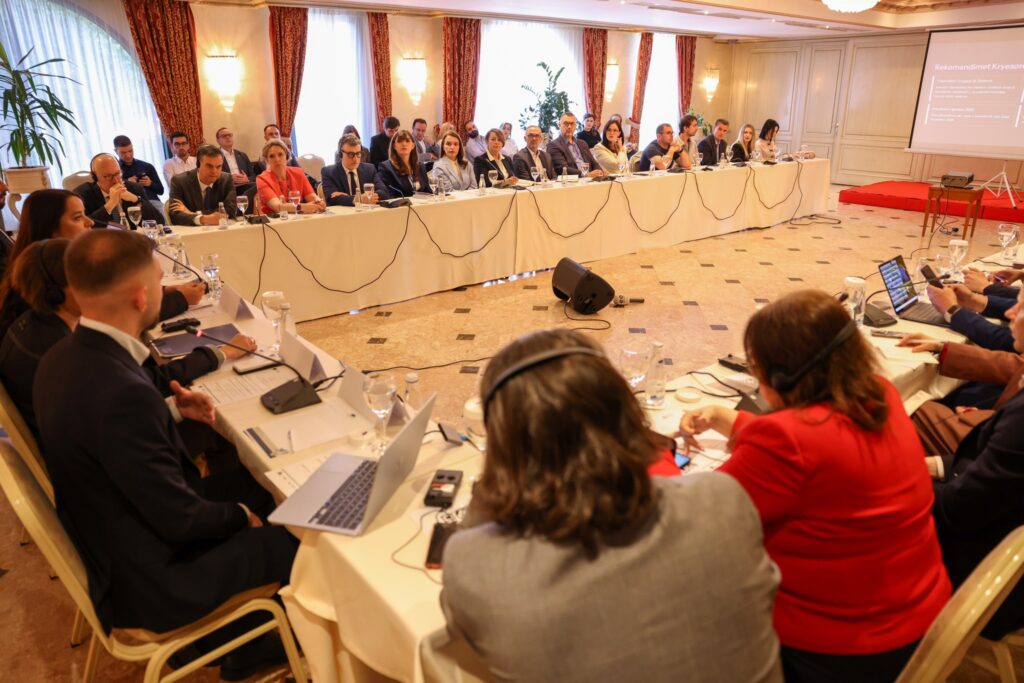
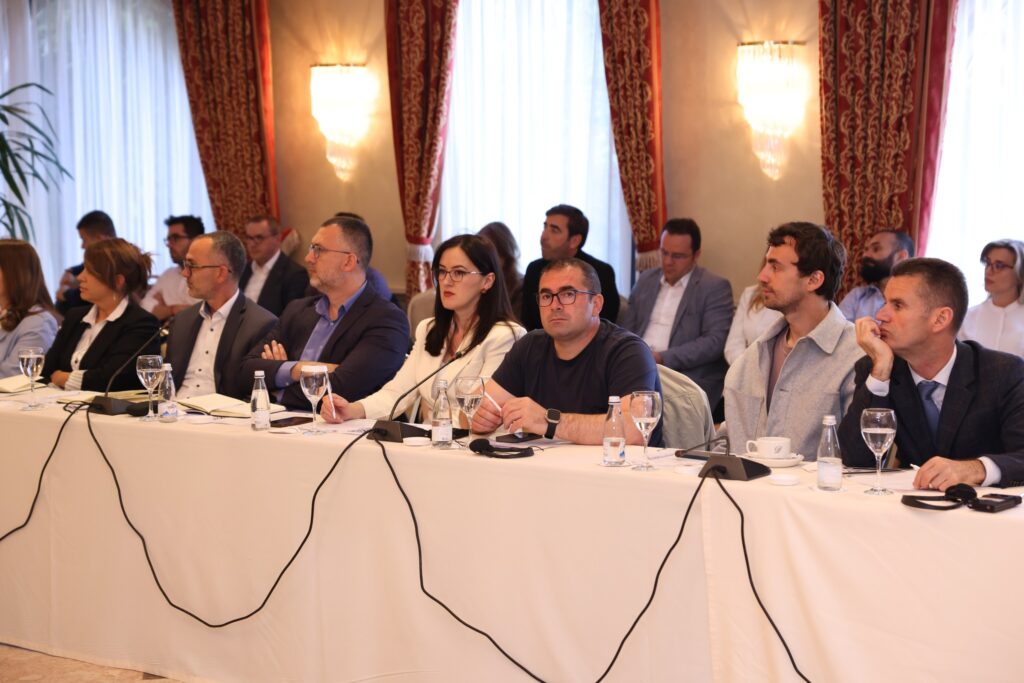
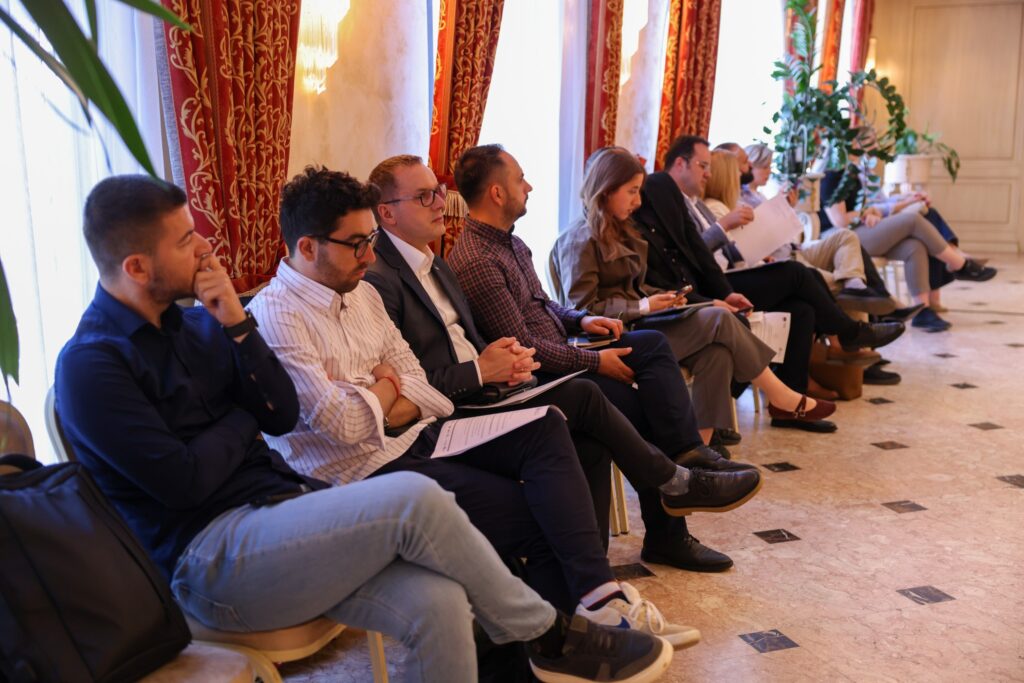
The Group for Legal and Political Studies (GLPS) today organised the fourth meeting of the National Consultation Mechanism on Reform Agenda. The event started with a discussion entitled “Kosovo’s Path towards the EU after the Political Deadlock: From Momentum to Reforms”, bringing together representatives of Kosovo’s institutions, the European Union, and civil society to discuss the implementation of the Reform Agenda, the consequences of institutional delays, and the steps needed to advance Kosovo’s European integration process.
The discussion highlighted that, following a prolonged period of political and institutional deadlock, Kosovo must seize the current momentum to accelerate reforms and translate political commitments into concrete results. With important deadlines approaching, the implementation of the Reform Agenda must be a priority for the Government and all responsible institutions.
During the presentation of GLPS’s report, researcher Besar Gërgi stressed that a considerable number of reform steps had been delayed due to the institutional crisis, including measures that had already been prepared and primarily required political decision-making. The Civil Code and the Anti-Corruption Strategy were cited as examples. GLPS emphasised that reforms must be treated as an institutional priority and that reform steps whose deadlines have passed must not be disregarded.

Representatives of Kosovo’s institutions and the European Union underlined the importance of mobilising all stakeholders to implement the Reform Agenda. Jeton Zulfaj, representing the Government, stressed that the Reform Agenda should not be viewed solely through the lens of financial benefits, but also as an important process for transforming the country. He acknowledged that reforms in Kosovo often take longer than in other countries and emphasised that delays do not mean the reforms should not continue.
Alexis Hupin, Deputy Head of the European Union Office in Kosovo, stressed that the Reform Agenda must be a government priority and that time is of the essence in completing the required steps. He underlined that the engagement of all institutions is essential and that the importance of the process extends beyond financial allocations to encompass fundamental reforms and the rule of law.
From the Kosovo Assembly, Jehona Lushaku-Sadriu as the Chair of Parliamentary Committee on European Integration emphasised the need to establish European integration as a priority and to ensure that legislation is aligned with the European Union’s acquis communautaire. She warned of the risk of losing more than €100 million and highlighted the importance of holding line ministries accountable for fulfilling the Reform Agenda’s requirements.

The discussion also highlighted the need for greater transparency and earlier, more meaningful involvement of civil society in the reform process. Civil society representatives called for better access to implementation documents, greater predictability in consultation processes, and opportunities to contribute their expertise at the early stages of policy and legislative drafting.
Lura Limani noted that, despite the delays, reforms had continued at the level of institutions and agencies, while the measures included in the Reform Agenda had a direct impact on the lives of citizens and businesses. She underlined that transparency and access to implementation reports remain essential for monitoring progress and ensuring public accountability.
GLPS emphasises that responsibility for implementing reforms must remain with the institutions mandated to carry them out, while civil society must have meaningful opportunities to contribute through expertise, monitoring, and recommendations. Accelerating reforms must not come at the expense of legislative quality, public consultation, or alignment with European standards.
In conclusion, participants stressed the need for improved interinstitutional cooperation, clear lines of responsibility, and a more dynamic approach to fulfilling reform measures. Kosovo must move from identifying obstacles to taking concrete action, making use of the opportunity to advance reforms and the European integration process.

GLPS will continue to monitor the implementation of the Reform Agenda and contribute through research, recommendations, and public engagement to ensure that reforms deliver tangible results for the citizens of Kosovo.
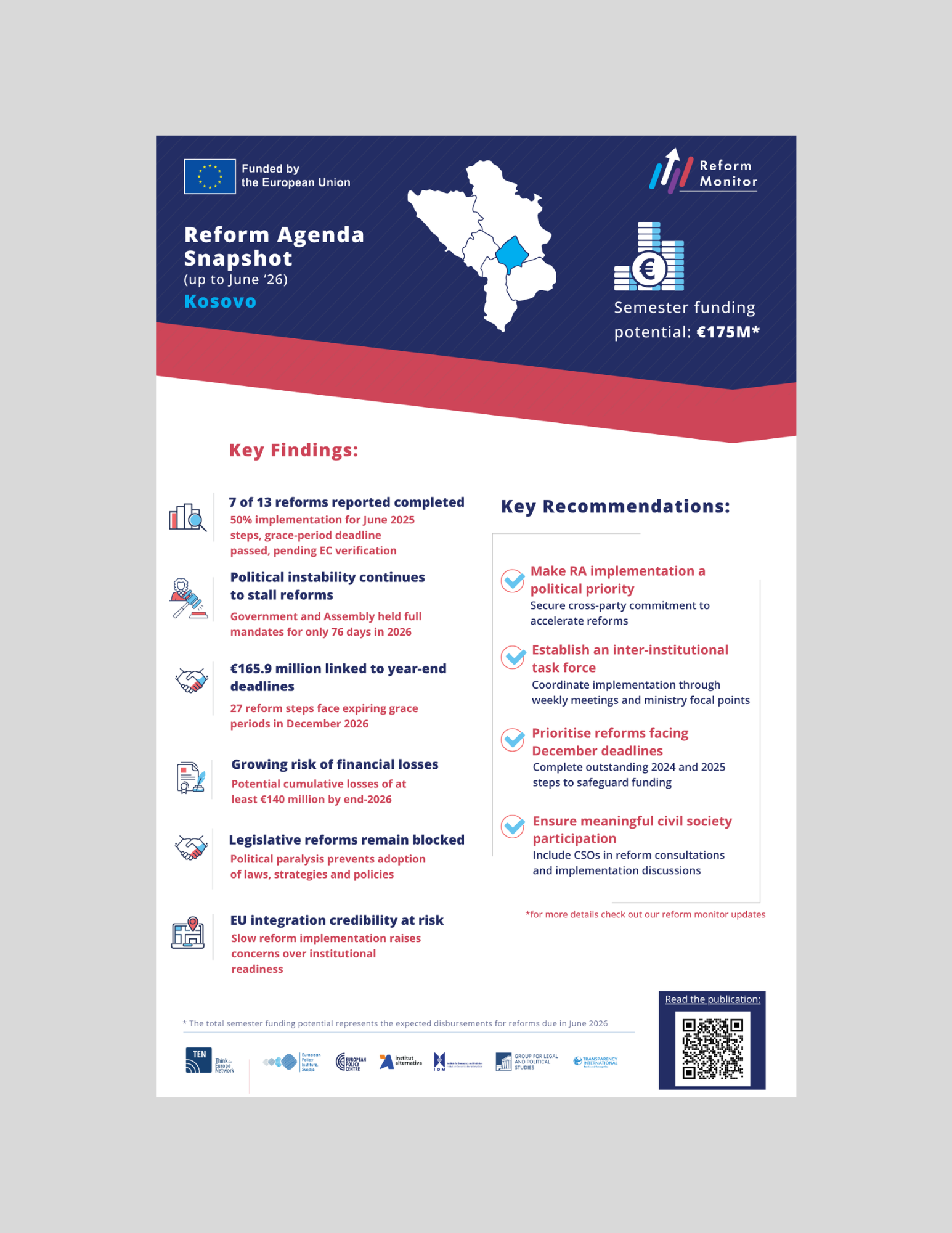
Reform Agenda Snapshot (up to June‘26)- Kosovo

Key findings and recommendations from our Reform Monitor update for Kosovo, up to June 2026.

Snapshots (2)

Kosovo – Reform Agenda Update – Jun’26

This publication is part of the series “Reform Agenda Updates”, national monitoring reports that track the implementation of the Reform Agendas as part of the Reform and Growth Facility for the Western Balkans (RGF), within the Western Balkan Reform and Growth Monitor project (Reform Monitor).

The “Reform Agenda Updates” assessment focuses on the implementation progress of country-specific obligations under the RGF. Monitoring is conducted through a set of procedural, reform implementation, and financial indicators. The core of the monitoring exercise tracks reform steps with defined deadlines, assessing their implementation status based on publicly available evidence and official documentation obtained by national authorities, and, where relevant, complemented by information from independent institutions and civil society sources. Cross-cutting attention is given to stakeholder participation and transparency.

The monitoring exercise covers selected reforms organised into so-called “policy domains,” created by coding the sub-areas of the harmonised policy areas in the Reform Agendas. The selected policy domains, which enable regional-level analyses, benchmarking, and comparability, are supported by the available human resources and the thematic expertise of the Think for Europe Network (TEN).For methodological notes and the reform steps selection process, see the draft methodology note at the link.

The cut-off date for data collection and assessment for this update is 30.06.2026. Further policy developments may shift the status of currently pending reforms and will be reflected in subsequent updates.

RA_Pilot Reform Monitor Kosovo

Download

[Podcast] Plani i rritjes dhe Kosova: ku gabuam?

Ju sjellim podcastin tonë më të ri me Demush Shashën, drejtor ekzekutiv i Institutit EPIK në të cilin diskutojmë rrugën e Kosovës nga hartimi i Agjendës së reformave, deri tek ratifikimi i marrëveshjeve si dhe zbatimin sot. Sa transparente ka qenë procesi i përgatitjes?

A mund të negociohej një agjendë më e mirë? Sa po na kushton papërgjegjshmëria e klasës politike?

Si mund të minimizohen dëmet që rrjedhin nga vonesa në zbatim? Këto dhe shumë pyetje tjera përgjigjen e kanë bashkëbisedimin tonë.

Roundtable and N-CoMRA meeting in Kosovo: “Kosovo’s Reform Agenda: What’s Next?”

The Group for Legal and Political Studies (GLPS) organised the Roundtable Discussion on the topic: “Kosovo Reform Agenda: What’s Next?” With a panel composed of the Chief Negotiator and National Coordinator for the Reform Agenda Mr. Jeton Zulfaj, the Acting EU Ambassador Ms. Eva Palatova, and the Executive Director of KCSF Mr. Dren Puka, as well as with the presence of the EU Office, embassies and civil society organisations, and discussed the Reform Agenda and the institutional steps.

Initially, in the introductory speech, the Executive Director of GLPS Ms. Njomza Arifi gave a chronology of events from the conception of the Growth Plan as an idea to the drafting of the Reform Agenda and the ratification of the sentiments in the Assembly. Further, researcher Besar Gërgi presented the report on the monitoring of clarifications at the end of the third semester (December 31, 2025) Kosovo lost many opportunities due to political blockades.

Chief Negotiator Jeton Zulfaj expressed his willingness to implement executive reform measures that do not depend on the Assembly for which some of the steps will be ahead of the June deadline. Ambassador Palatova declared for a co-existence of society and political forces in the function of the structures of a moment for EU integration and made her choice for compromise between political parties. Dren Puka from KCSF added that the involvement of civil society is in this process for effective people.

GLPS would like to reiterate that many of the reform measures have stalled as a result of the responses of the political actors’ willingness to compromise and as a long-standing response to the loss of materials. In case of disagreements on the reforms of June 2025, the grace period of submission on June 30, 2026, the country risks losing 68.8 million euros. Therefore, GLPS once again calls for a serious treatment of the European integration and the Growth plan of political actors and asks for the strategic interests of the country.

EU disbursed 7% or 61.2 million euros of the Growth Plan for Kosovo

The WB Reform and Growth Monitor Project welcomes the EU decision to disburse the 7% or 61.2 million euros of the Growth Plan for Kosovo. This step follows the ratification of the Facility and Loan agreements on 13 February 2026 and the completion of other technical procedures. This disbursement marks the country’s first step towards benefiting from the total package of 883 million euros allocated to Kosovo from the Growth Plan.

There is now no obstacle for the Government and the Assembly of Kosovo to continue implementing the Reform Agenda to reform country’s governance and benefit from the financial incentives. Our partners from Kosovo, the Group for legal and political studies calls on the executive and the legislative to do their utmost for the rapid, full and substantive implementation of all measures. Such implementation will bring the country closer to European Union standards and will bring substantial financial benefits to the country.

Three semesters have already passed, and as a result of the political crisis that has led to significant delays, Kosovo has no time to lose. GLPS therefore calls for immediate action, including the establishment of RGF Monitoring Committee and the implementation of the reforms pledged in the Reform Agenda. As an organization, we have monitored the first three semesters of implementation and will continue to do so for the remaining semesters, to keep the public informed on the state of implementation of the Agenda.

As per the latest Monitoring Report, GLPS recommends the following:

Build the Infrastructure: After the appointment of the National Coordinator, to immediately establish the RGF Monitoring Committee to meet EU technical standards.

Beat the Clock: Prioritize the June 2025 reform steps before the end of grace period to avoid irreversibly losing financial incentives.

Create a list of essential laws to be treated with priority by the Assembly.

Coordinate for Speed: Launch a dedicated task force to align line institutions on the most urgent reforms.

The latest report on Kosovo can be found here.


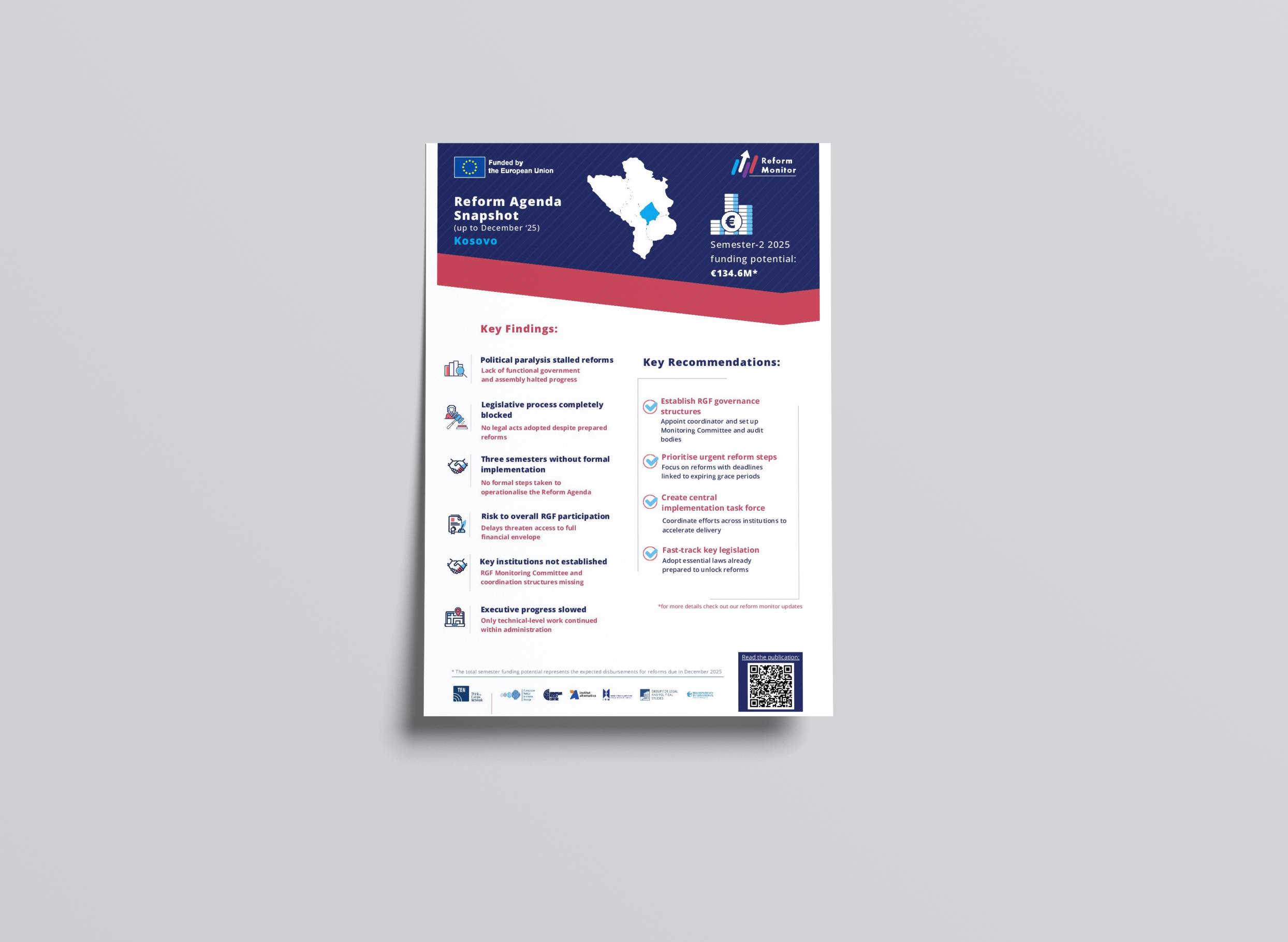
Reform Agenda Snapshot (up to December ‘25) – Kosovo

Key findings and recommendations from our Reform Monitor update for Kosovo, up to December 2025.

Snapshot-Kosovo

Download

Kosovë: Raport i përditësuar i Agjendës së Reformave Semestri i 2-të, 2025

Ky botim është pjesë e serisë “Raport i përditësuar i Agjendës së Reformave”, raporte kombëtare monitorimi që përcjellin zbatimin e Agjendave të Reformës si pjesë e Instrumentit për Reformë dhe Rritje për Ballkanin Perëndimor, në kuadër të projektit për Monitorimin e Reformave.

Analiza i “Raporteve të përditësuara të Agjendës së Reformave” përqendrohet në progresin e zbatimit të detyrimeve specifike të vendit sipas IRRr-së. Monitorimi kryhet përmes një sërë treguesish proceduralë, të zbatimit të reformës dhe financiarë. Thelbi i ushtrimit të monitorimit është gjurmimi i progresit të reformave me afate të përcaktuara, duke vlerësuar statusin e zbatimit të tyre bazuar në provat që janë në dispozicion publikisht dhe dokumentacionin zyrtar të marrë nga autoritetet kombëtare, dhe, kur është e nevojshme, të plotësuar me informata nga institucione të pavarura dhe burime të shoqërisë civile. Vëmendje ndërsektoriale i kushtohet pjesëmarrjes dhe transparencës së akterëve.

Ushtrimi i monitorimit mbulon reforma të përzgjedhura të organizuara në të ashtuquajturat “fusha të politikave“, të krijuara duke koduar nënfushat e harmonizuara të politikave në Agjendat e Reformave. Fushat e zgjedhura të politikave, të cilat mundësojnë analiza në nivel rajonal, përcaktimin e standardeve dhe krahasueshmërinë, mbështeten nga burimet njerëzore në dispozicion dhe ekspertiza tematike e rrjetit TEN.  

Për detaje metodologjike dhe procesin e përzgjedhjes së hapave të reformës, shih dokumentin e draftit të metodologjisë në këtë link.

Raporti i përditësuar i Agjendës së Reformave është strukturuar si më poshtë. Gjetjet dhe rekomandimet kryesore ofrojnë një përmbledhje të nivelit të lartë. Kapitujt mbi Marrëveshjet Ligjore dhe Institucionale dhe Kërkesat dhe Lëshimin e Fondeve monitorojnë progresin e përgjithshëm në aspektet procedurale dhe financiare të zbatimit të Agjendës së Reformave. Kapitulli i fundit, Reformat në Fokus: Domenet e politikave të Monitorimit të Reformave, ofron gjetje të pavarura të monitorimit mbi reformat e zgjedhura. Këtu, secili kapitulln ofron një pasqyrë narrative të progresit dhe pengesave në zbatimin e Agjendës së Reformave për Kosovën.

Data e fundit për mbledhjen dhe vlerësimin e të dhënave për këtë raport të përditësuar është 31.12.2025. Zhvillimet e mëtejshme të politikave mund të ndryshojnë statusin e reformave që aktualisht janë në pritje dhe do të pasqyrohen në raportet vijuese.

Këto përditësime monitorimi nuk e zëvendësojnë rolin formal të vlerësimit që bart Komisioni Evropian.

RA_Pilot-Reform-Monitor_2nd-Semester-2025_kosovo_alb-version

Download

Kosovo – Reform Agenda Update – 2nd Semester 2025

This publication is part of the series “Reform Agenda Updates”, national monitoring reports that track the implementation of the Reform Agendas as part of the Reform and Growth Facility for the Western Balkans, within the Reform Monitor project.

The “Reform Agenda Updates” assessment focuses on the implementation progress of country-specific obligations under the RGF. Monitoring is conducted through a set of procedural, reform implementation, and financial indicators. The core of the monitoring exercise tracks reform steps with defined deadlines, assessing their implementation status based on publicly available evidence and official documentation obtained by national authorities, and, where relevant, complemented by information from independent institutions and civil society sources. Cross-cutting attention is given to stakeholder participation and transparency.

The monitoring exercise covers selected reforms organised into so-called “policy domains,” created by coding the sub-areas of the harmonised policy areas in the Reform Agendas. The selected policy domains, which enable regional-level analyses, benchmarking, and comparability, are supported by the available human resources and the thematic expertise of the TEN network.  

For methodological notes and the reform steps selection process, see the draft methodology note at the link. 

The Reform Agenda Update is structured as follows. The Key findings and recommendations provide a high-level summary. The Legal and Institutional Arrangements and Requests and Release of Funds sections monitor overall progress in the procedural and financial aspects of implementing the Reform Agenda. The last section, Reforms in Focus: Reform Monitor policy domains, provides independent monitoring findings on selected reforms. Here, each section provides a narrative snapshot of progress and obstacles in implementing Kosovo’s Reform Agenda.

The cut-off date for data collection and assessment for this update is 31.12.2025. Further policy developments may shift the status of currently pending reforms and will be reflected in subsequent updates.

These monitoring updates are not a substitute for the European Commission’s formal assessment role.

RA_Pilot-Reform-Monitor_Kosovo_First-Semester-2025_As-of-May-2025-2

Download

Re-form for Growth: Small Grant Facility

MK | BCMS | SQ

The project “WB Reform and Growth Monitor”, implemented by members of the Think for Europe Network (TEN) and Transparency International in Bosnia and Herzegovina (TI BiH), supported by the European Union, announces a Call for Proposals for the ”Re-form for Growth” Small Grant Facility (SGF).

The objective of this Call is to empower civil society organisations to provide independent monitoring, advocacy, and sector-specific perspectives on the implementation of the Growth Plan for the Western Balkans (GPWB).

A total amount of EUR 314,620 is allocated to the SGF to support up to 20 grants, with an implementation period of 10 to 12 months per action. The financial framework for the grants is as follows:

  • Maximum Grant Amount: EUR 16,000
  • Indicative Average Grant: EUR 15,730

The indicative regional distribution is planned as follows:

CountryNumber of Grants
Serbia4
Bosnia and Herzegovina4
North Macedonia3
Albania     3
Kosovo     3
Montenegro3
TOTAL20

In order to be eligible for a grant, the applicant must:

  • Be a legal entity;
  • Be non-profit making;
  • Be a civil society organisation whose activities are implemented at national and/or local level (i.e. within one or more local self-government units);
  • Demonstrate active engagement and relevant experience in one or more thematic areas relevant to this Call for Proposals, through its mandate, previous or ongoing activities, research, monitoring or advocacy work;
  • Be registered in one of the following countries: North Macedonia, Serbia, Montenegro, Albania, Bosnia and Herzegovina, or Kosovo, at least six (6) months prior to the publication of this Call for Proposals;
  • Be directly responsible for the preparation and management of the action, and not acting as an intermediary;
  • Have sufficient operational and financial capacity to carry out the proposed action;
  • Not be a beneficiary of funding under the EU Civil Society Facility (CSF) and Media Programme (Reference No. EuropeAid/179703/DH/ACT/Multi) for the same implementation period of the proposed action.

Thematic Priorities of the SGF: 

  1. Integration with the EU Single Market;
  2. Regional integration through the Common Regional Market;
  3. Priority Areas of the Reform Agendas;
  4. Implementation of the Reform and Growth Facility;

For more details about this call, please read carefully the GUIDELINES FOR APPLICANTS.

Submission and Deadline

Applications must be submitted electronically with the following completed documents, that can be downloaded from:

Submission Deadline: 06.05.2026

Applications shall be sent to: [email protected]; cc: [email protected] with the subject: “CfP: Re-form for Growth – (Country)_Application”.

The sublimated answers and clarifications to all the recieved questions regarding the call are avalaible at: